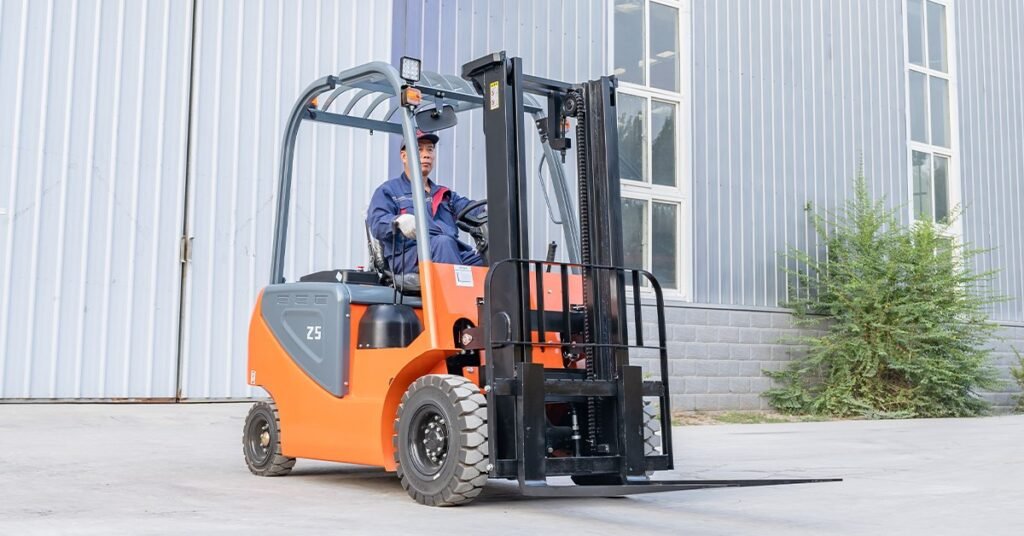
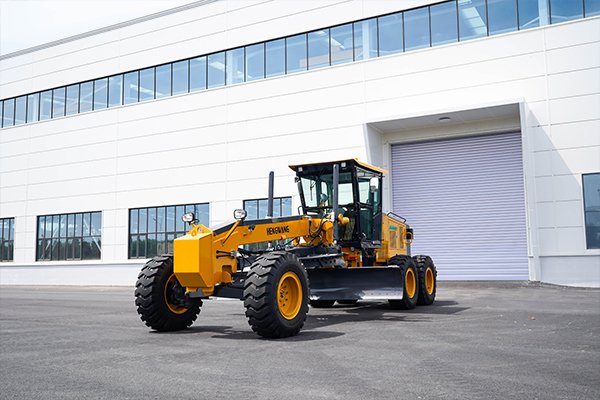
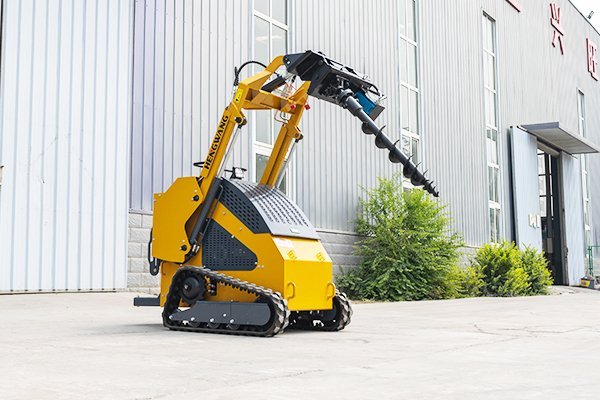
The construction of modern infrastructure requires specialized equipment to ensure durability and safety. Identifying the correct road machinery types is the first step toward a successful paving project. These machines handle everything from soil stabilization to the final surface polishing.
Proper road building involves multiple stages including excavation, grading, and compaction. Each stage demands a specific set of tools designed for precision and power. Using the wrong equipment can lead to structural failures or uneven surfaces.
Industry data suggests that high-quality compaction can increase the lifespan of a road by over 20%. This guide explores the most effective road machinery types available today. We will examine their specific functions and how they contribute to infrastructure development.
What are the primary road machinery types for construction?
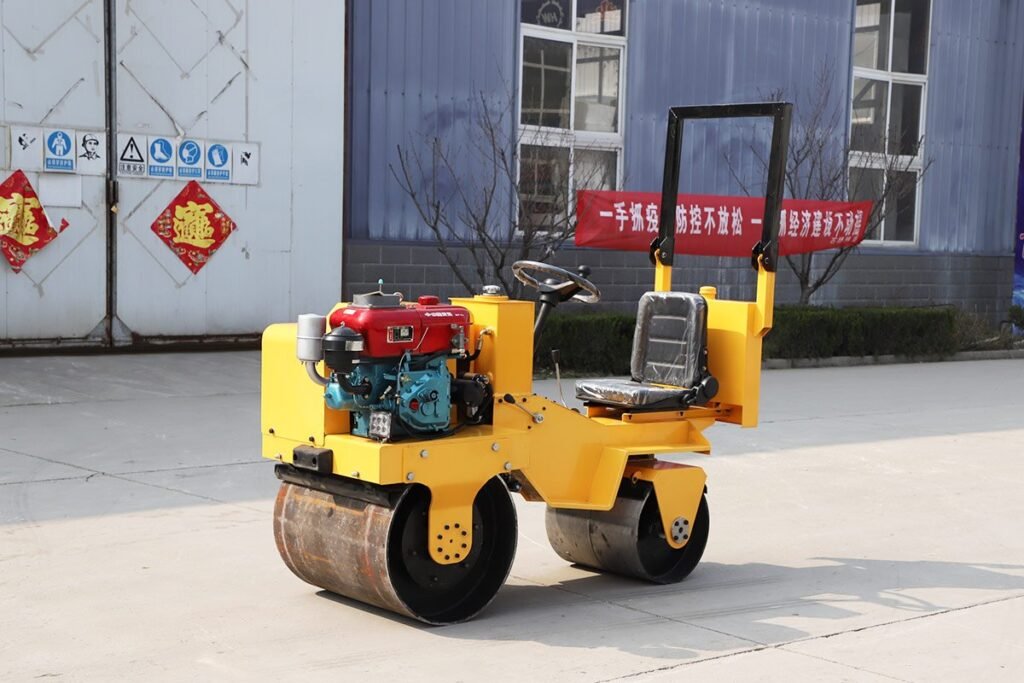
Road rollers are perhaps the most recognizable machines in the construction industry. These road machinery types are designed to compact soil, gravel, or asphalt. They use static weight or vibration to eliminate air pockets within the materials.
Single drum rollers typically feature a heavy metal drum at the front. These are ideal for compacting sub-bases and deep layers of soil. Heavier models can weigh between 5 tons and 20 tons for maximum pressure.
Double drum rollers utilize two vibrating drums for smoother finishes. They are generally used for asphalt layers on highways or parking lots. Their design ensures a flat, level surface free of ridges or marks.
| Machine Type | Primary Function | Typical Weight/Force |
| Single Drum Roller | Sub-base compaction | 5.0 – 12.0 Tons |
| Plate Compactor | Small area leveling | 10 – 30 kN |
| Tamping Rammer | Narrow trench work | 10 – 15 kN |
| Milling Machine | Surface removal | Variable by width |
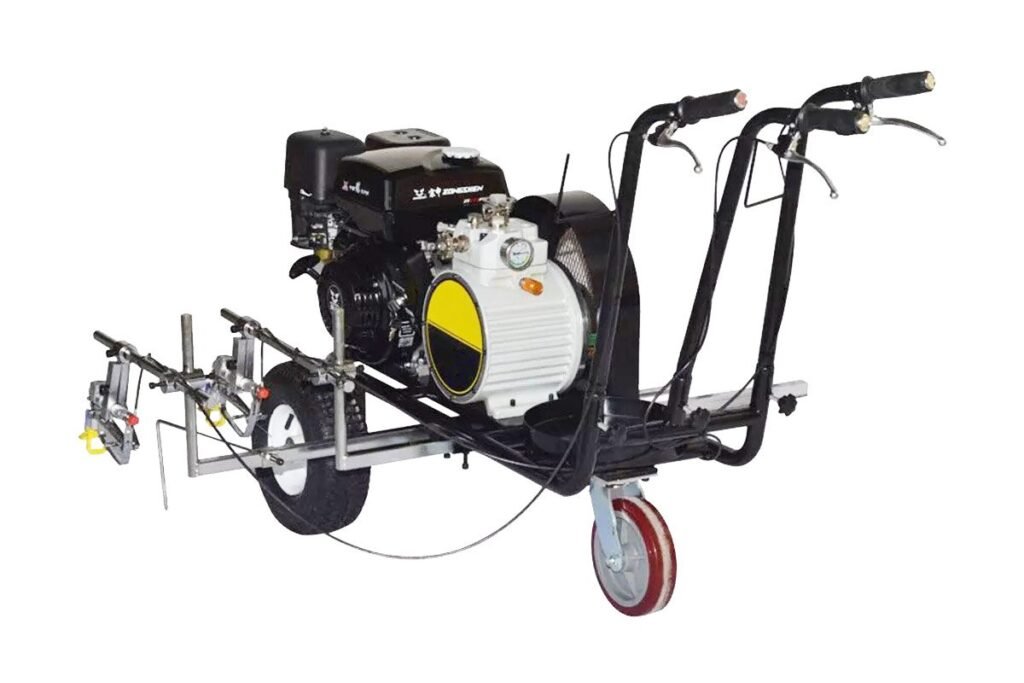
| Road Marker | Traffic lane painting | Manual or Self-propelled |
Essential road machinery types for road maintenance
Road maintenance is just as critical as initial construction for long-term safety. Maintenance-focused road machinery types include milling machines and road cutters. These tools allow crews to repair specific sections without rebuilding the entire road.
Milling machines remove the top layer of damaged asphalt or concrete. This process creates a rough texture that bonds well with new paving material. Modern milling equipment can precisely control the depth of the removal.
Road cutting machines are used to create expansion joints or repair utility lines. They use diamond-tipped blades to slice through hardened surfaces. This precision prevents cracking in the surrounding pavement during heavy temperature shifts.
Surface preparation also involves grinding and polishing machines for a smooth finish. These are often used on bridge decks or specialized concrete paths. They ensure the surface meets strict friction and safety requirements for vehicles.
Key performance factors for road machinery types
Choosing the right road machinery types depends on several technical specifications. Compaction force is a vital metric for soil and asphalt density. Most heavy rollers provide a centrifugal force exceeding 30 kN for deep penetration.
Engine power and fuel efficiency impact the overall operating cost of a project. Larger rollers may require engines producing 70 kW to 100 kW of power. Smaller machines like tamping rammers focus on portability and ease of handling.
Operating width is another crucial factor for project efficiency and speed. Wide drums cover more ground in fewer passes, saving time and labor. However, narrow machines are necessary for sidewalks or tight urban construction sites.
Modern machines often include digital monitoring systems to track compaction progress. These systems alert operators when the desired density has been reached. This technology prevents over-compaction, which can damage the underlying material structure.
How to choose the right equipment for your project
Selecting the best road machinery types requires a clear understanding of your site conditions. Large-scale highway projects demand heavy-duty rollers with high tonnage and vibration power. Smaller residential jobs may only need plate compactors or mini rollers.
Consider the material you are working with before making a final selection. Granular soils respond best to high-frequency vibration found in specific roller models. Cohesive soils like clay often require tamping rammers or sheep’s foot rollers.
The expected traffic load of the road also dictates the equipment choice. High-traffic zones require deeper compaction and more precise asphalt finishing tools. Always evaluate the durability and maintenance needs of the machinery before deployment.
Reliable equipment should offer a balance between power and maneuverability for the operator. Checking the availability of spare parts and local support is also highly recommended. Choosing versatile machinery allows you to handle various project phases with fewer units.
Summary
Understanding different road machinery types is essential for high-quality infrastructure construction. From heavy vibratory rollers to precise road marking machines, each tool serves a specific purpose. Selecting the right equipment ensures road durability, safety, and long-term cost-effectiveness for any paving project.
FAQ
Q:What are the most common road machinery types?
The most common types include road rollers, plate compactors, milling machines, and pavers. Rollers are used for compaction, while milling machines remove old pavement layers for repairs.
Q:Why is compaction important in road construction?
Compaction removes air voids to create a dense, stable base for the road. This process prevents future sinking, cracking, and water damage within the pavement structure.
Q:How do I choose between a single and double drum roller?
Use a single drum roller for heavy-duty earthwork and sub-base preparation. Select a double drum roller for finishing asphalt surfaces to achieve a smooth, professional look.
Q:What is the function of a road milling machine?
A milling machine removes the surface layer of a road to prepare it for resurfacing. It allows for the recycling of old asphalt while maintaining the existing road grade.
Reference Sources
Association of Equipment Manufacturers
https://www.aem.org/
International Road Federation
https://www.irf.global/
Construction Equipment Magazine
https://www.constructionequipment.com/