Are you searching for a diesel forklift for sale that balances raw power with operational efficiency? Selecting the right heavy-duty equipment is a strategic decision that directly impacts your facility’s throughput and bottom line. Professional users must evaluate specific technical parameters to ensure the machine remains reliable under rigorous, continuous industrial cycles. This guide explains how to identify the right model for your unique work environment.
Key Considerations for a 5 Ton Diesel Forklift for Sale

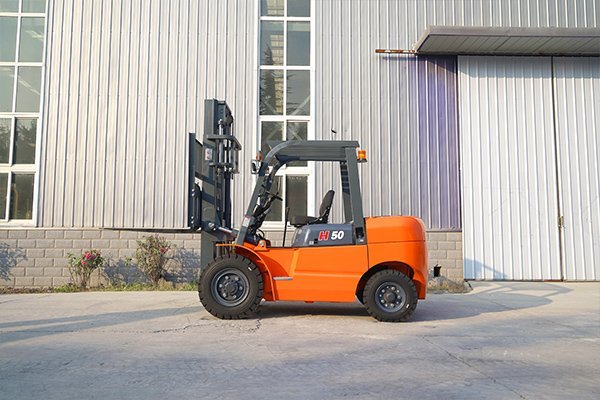
Selecting a 5 ton diesel forklift for sale requires analyzing the intersection of load capacity and site logistics. While a 5-ton rating is standard for heavy construction and shipping yards, you must verify the load capacity reduction at full mast extension. Always consult the manufacturer’s load chart to ensure the vehicle maintains stability at your required lift heights.
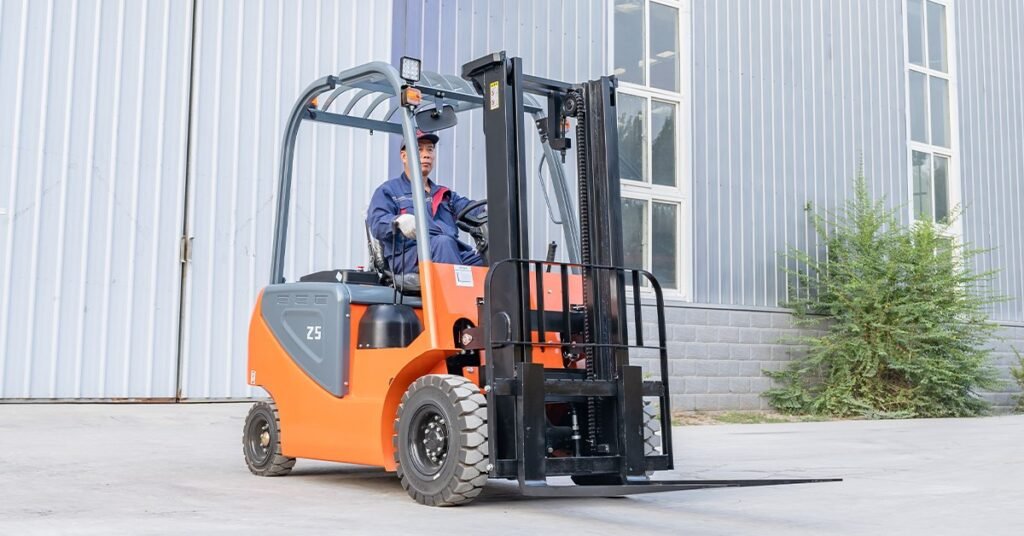
Professional users should also prioritize the engine’s torque characteristics. A high-torque engine ensures smooth, controlled movements when handling dense, heavy materials, which is crucial for safety. Ensure the equipment includes safety features like overhead guards and mast tilt functions to protect both the operator and the load.
Optimizing Diesel Forklift Fuel Consumption
Managing diesel forklift fuel consumption is the most effective way to lower the total cost of ownership. On average, a modern diesel-powered forklift consumes approximately $2$ to $4$ liters of fuel per hour under typical working conditions. Factors such as rapid acceleration, excessive idling, and heavy mast usage can drive these numbers significantly higher.
To improve efficiency, implement regular preventive maintenance schedules. Cleaning air filters and ensuring the fuel injection system is calibrated prevents the engine from working harder than necessary. Additionally, proper tire maintenance reduces rolling resistance, which allows the engine to deliver power more efficiently throughout the shift.
Selecting Among Diesel Forklift Manufacturers
Reliable diesel forklift manufacturers provide more than just the machine; they provide a commitment to long-term performance. When comparing brands, focus on the availability of OEM parts and the design of the maintenance access points. A well-engineered forklift allows technicians to perform routine inspections quickly, which significantly reduces total downtime.
Examine the material quality of the chassis and hydraulic cylinders, as these components endure the most stress. Manufacturers that prioritize heavy-gauge steel and advanced hydraulic sealing typically offer a longer service life. Verify that the company offers comprehensive technical documentation to assist your internal maintenance team.
Aligning Equipment with Operational Needs
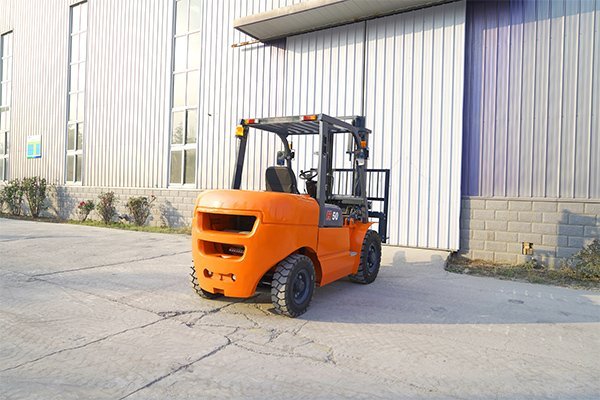
When assessing whether a machine fits your workflow, consider the ergonomics and visibility provided to the operator. A comfortable, intuitive cabin reduces operator fatigue, which is directly correlated to higher safety and productivity rates. Furthermore, the dimensions of the forklift must match your aisle widths and loading dock requirements.
You can examine the technical specifications of professional-grade 5-ton diesel forklifts to see how their engineering standards address heavy-load stability and energy efficiency. Reviewing these structural details will help you determine if the equipment is built to handle the specific demands of your daily operations.
Summary
The optimal diesel forklift is one that matches your specific tonnage requirements while offering low fuel consumption and high component reliability. By focusing on manufacturer quality and maintenance accessibility, you ensure your equipment remains a productive asset rather than a consistent overhead expense for your business.
FAQ
Q1: What are the main benefits of using a 5-ton diesel forklift?
A 5-ton diesel forklift provides the necessary torque for heavy-duty outdoor lifting and is designed to operate continuously without the downtime associated with battery recharging.
Q2: How can I accurately monitor diesel forklift fuel consumption?
You can monitor fuel usage by tracking total operating hours against total fuel refills, ensuring the machine is serviced regularly to keep the engine operating within peak efficiency ranges.
Q3: Which features define professional diesel forklift manufacturers?
Professional manufacturers are defined by their commitment to high-strength materials, readily available technical support, and the inclusion of safety systems that meet international industrial standards.
Q4: Can I use a diesel forklift inside a warehouse?
Diesel forklifts are generally suited for outdoor or open-air environments due to exhaust emissions; they are rarely recommended for enclosed indoor spaces without specialized ventilation.
Reference Sources
- Occupational Safety and Health Administration (OSHA), “Powered Industrial Trucks (Forklift) – Safety Standards,” https://www.osha.gov
- International Organization for Standardization (ISO), “ISO 3691-1: Industrial trucks — Safety requirements and verification,” https://www.iso.org
- Industrial Truck Association (ITA), “Forklift Safety and Efficiency Guidelines,” https://www.indtrk.org
- National Institute for Occupational Safety and Health (NIOSH), “Preventing Injuries and Deaths of Workers Who Operate or Work Near Forklifts,” https://www.cdc.gov/niosh