Concrete pump selection is mainly determined by where the concrete needs to be placed, how far it must travel, and how the construction site is organized. A pump suitable for a high-rise building slab project may not match the requirements of a highway pavement project or a remote infrastructure site.
For contractors and equipment buyers, the key is not choosing the pump with the highest output, but matching the equipment configuration with project conditions, including placement distance, access limitations, concrete mix requirements, and working frequency.
This guide explains how to evaluate concrete pumps for different project types and what information suppliers need before recommending suitable equipment.
Concrete pump selection based on project type
Project conditions usually determine the pumping method. Before requesting quotations, buyers should define the project environment and expected concrete placement process.
The main factors include:
- Concrete pouring location
- Required pumping distance
- Working space available on site
- Daily concrete volume
- Continuous or intermittent pumping requirements
Different projects commonly require different considerations.
Concrete pump for building construction projects
A concrete pump for building construction is often selected according to building height, access conditions, and placement points.
Typical applications include:
- Residential and commercial buildings
- Factory buildings
- Basement construction
- Concrete slab and wall pouring
For multi-storey projects, vertical reach is usually one of the first factors to check. Limited space around urban construction sites may also affect whether a truck-mounted boom pump or stationary pump with pipeline installation is more practical.
Before contacting suppliers, contractors should prepare:
- Maximum pumping height
- Required boom reach
- Concrete volume per pour
- Site access information
For buyers comparing available concrete equipment solutions, HengWang provides different concrete machinery options for construction applications:
Concrete pump for road projects and infrastructure work
Road projects create different challenges because concrete placement often covers longer distances and larger working areas.
A concrete pump for road projects may need to support:
- Long-distance concrete delivery
- Continuous pouring operations
- Changing work locations
- Pipeline extension requirements
Examples include:
- Road pavement
- Bridge approaches
- Drainage structures
- Infrastructure foundations
For these applications, suppliers usually need details about:
- Total horizontal pumping distance
- Required concrete volume per hour
- Site movement plan
- Pipeline routing conditions
Providing accurate site information helps avoid selecting equipment based only on theoretical capacity.
How placement distance affects concrete pump selection
Placement distance directly affects pump configuration and installation planning.
Short-distance concrete placement
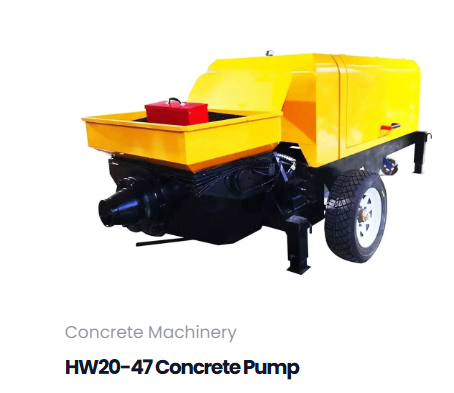
For projects where the pumping point is close to the equipment position, buyers may consider solutions with:
- Faster setup time
- Easier relocation
- Reduced pipeline installation
This approach is common for projects where multiple small pouring areas are located within the equipment working range.
Long-distance concrete placement
Long-distance pumping requires more attention to:
- Pipeline layout
- Pump pressure requirements
- Cleaning procedures
- Access points
For remote construction areas or projects with restricted equipment access, pipeline pumping systems can provide more flexibility.
When discussing requirements with suppliers, buyers should provide both:
- Maximum horizontal distance
- Maximum vertical distance
A single distance value is usually not enough for accurate equipment matching.
Concrete pump selection checklist for buyers
Before requesting a quotation, prepare the following information:
| Project information | Why suppliers need it |
|---|---|
| Project type | Determines suitable pump application |
| Pumping distance | Helps evaluate equipment configuration |
| Concrete mix details | Affects pumping performance |
| Aggregate size | Influences pipeline compatibility |
| Daily concrete volume | Helps match working capacity |
| Site photos or drawings | Allows suppliers to check installation conditions |
A detailed inquiry usually results in more accurate recommendations and fewer changes after equipment selection.
Site conditions that influence pump recommendations
Equipment selection is affected by more than concrete volume.
Access and installation space
Check:
- Road width for equipment arrival
- Ground stability
- Available setup area
- Nearby obstacles
A pump with higher capacity may not be suitable if the site cannot support safe positioning.
Concrete mix requirements
Concrete properties should be included in the initial inquiry.
Important details include:
- Slump range
- Aggregate size
- Fibre or additive usage
- Required pumping distance
These factors influence whether the proposed pump and pipeline arrangement can work effectively.
Maintenance and technical support
For international buyers, supplier support is also part of the purchasing decision.
Ask suppliers about:
- Operation manuals
- Spare parts availability
- Technical assistance
- Operator guidance
For general construction equipment safety requirements, buyers can refer to OSHA construction equipment regulations:
OSHA Construction Equipment Standards
How to evaluate a concrete pump supplier
A supplier should provide more than a product quotation.
Before purchasing, buyers can review:
Technical recommendation ability
Ask whether the supplier can provide:
- Pump configuration suggestions
- Pipeline layout recommendations
- Application references
Product information
Confirm availability of:
- Technical specifications
- Spare parts information
- Maintenance guidance
Project matching
The recommended equipment should match:
- Actual site conditions
- Expected workload
- Local service capability
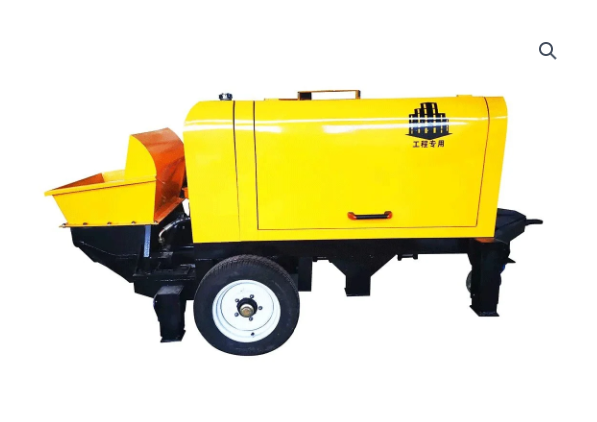
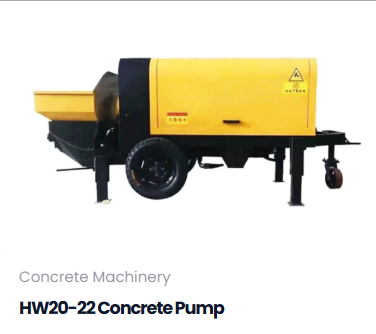
For example, HengWang’s HW30/30 concrete pump can be used as a reference option when discussing small and medium concrete pumping requirements:
Information to prepare before requesting a concrete pump quotation
A complete inquiry should include:
Project details
- Construction type
- Location conditions
- Expected concrete volume
Pumping requirements
- Horizontal distance
- Vertical height
- Number of pouring locations
Concrete information
- Concrete grade
- Aggregate size
- Slump requirements
Supplier expectations
Clarify whether you need:
- Equipment supply only
- Technical guidance
- Spare parts support
This information allows suppliers to provide a more suitable recommendation instead of a general product list.
FAQ
What is the most important factor in concrete pump selection?
Placement distance is one of the main factors because it affects pump pressure, pipeline arrangement, and equipment configuration. Site access and concrete mix properties should also be considered.
What type of concrete pump is suitable for building construction?
A concrete pump for building construction is usually selected according to building height, access conditions, and pouring locations. Boom pumps and stationary pumps are commonly considered for different site situations.
What should I provide when buying a concrete pump?
Provide project type, pumping distance, concrete specifications, expected workload, and site information. These details help suppliers recommend suitable equipment.
Can one concrete pump be used for different projects?
Some pumps can support multiple applications, but performance depends on project conditions, concrete requirements, and placement distance.
Conclusion
Concrete pump selection should be based on project requirements rather than equipment specifications alone. Contractors and buyers who provide clear information about project type, placement distance, and site conditions can receive more accurate recommendations from suppliers.
For construction companies evaluating concrete machinery options, reviewing available equipment ranges and preparing detailed project information can improve purchasing efficiency.