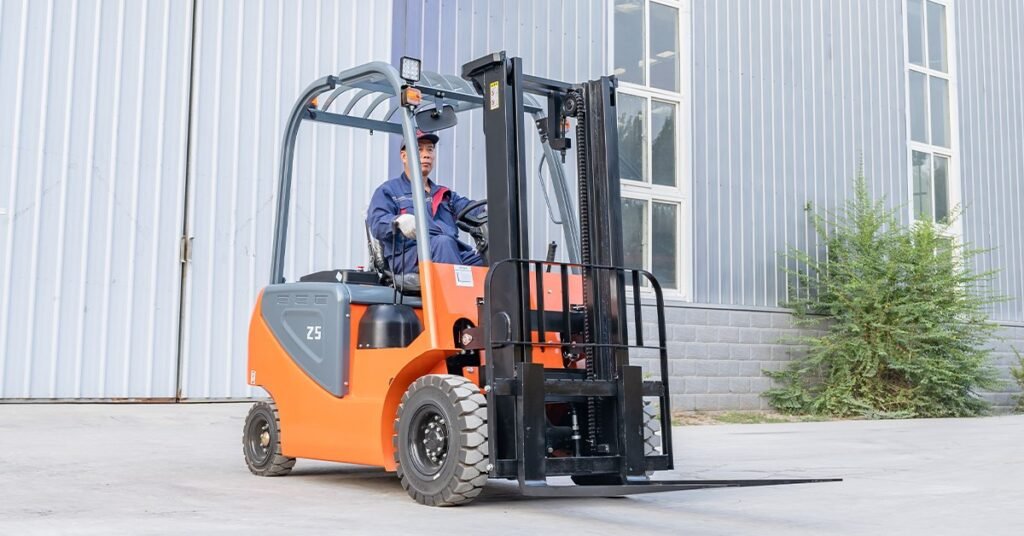
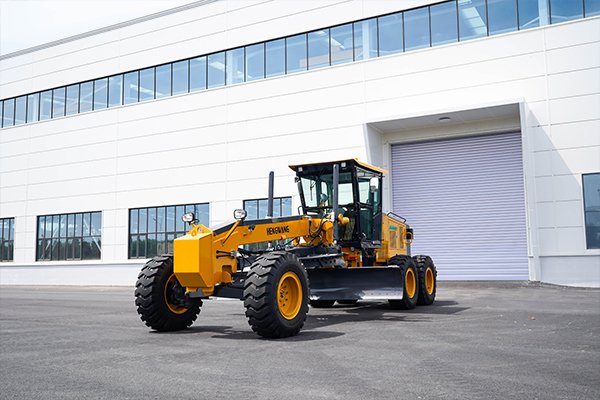
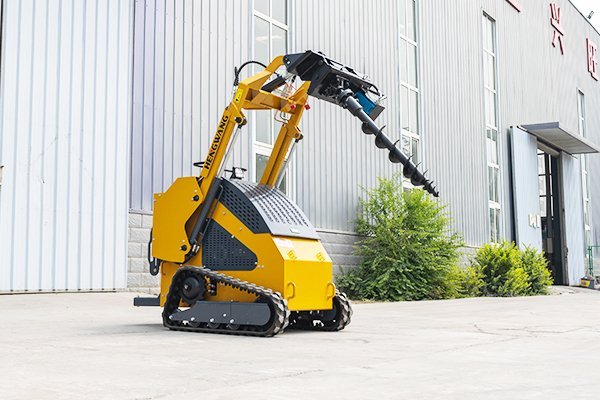
Finding the best All Terrain Forklift requires evaluating specific load capacities, engine power, and structural durability. To make the smartest purchasing decision, you must prioritize machinery engineered exclusively for unimproved outdoor construction sites. Matching these exact technical specifications with your daily operational demands ensures a highly successful B2B equipment investment.
Standard warehouse lifts typically fail on muddy or extremely uneven ground. Specialized rough terrain models usually feature robust four-wheel drive systems and heavy-duty pneumatic tires. These vital engineering components are absolutely essential for maintaining heavy load stability outdoors.
Purchasing managers should prioritize long-term equipment value and strict safety compliance during procurement. A well-selected machine can drastically reduce manual labor and optimize your entire material handling workflow. Evaluating these technical factors carefully guarantees a much smarter and safer decision for your business operations.
What Defines a True Rough Terrain Lift Truck?
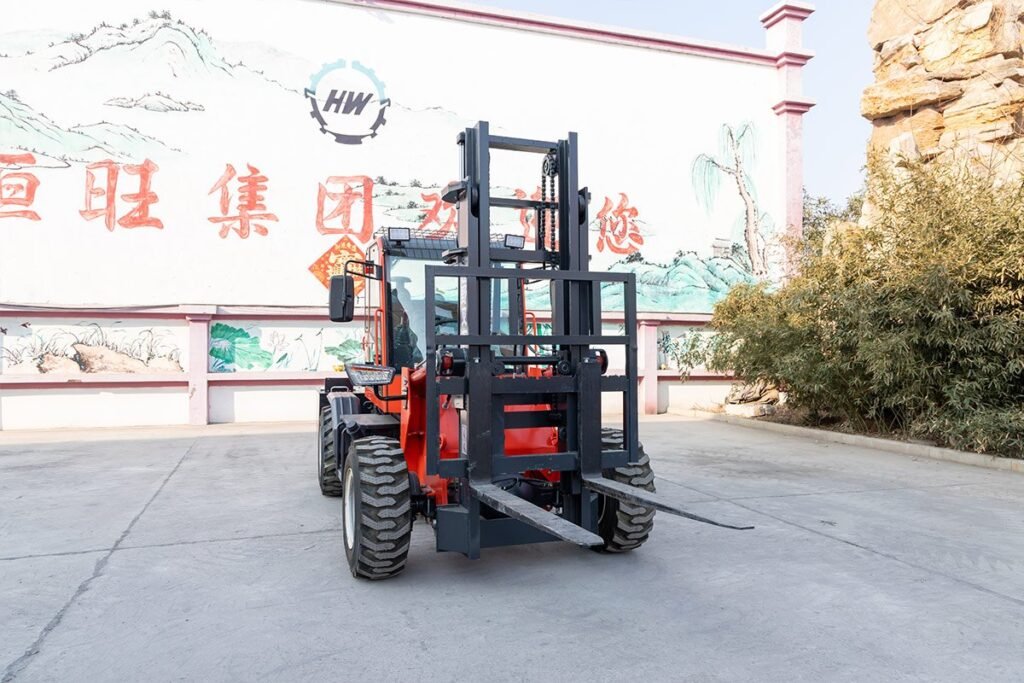
According to the Industrial Truck Association, an off-road lift clearly falls under Class VII powered industrial trucks. These robust machines are specifically engineered for highly disturbed construction sites and rugged natural environments. Recognizing this official classification helps B2B buyers avoid purchasing modified indoor equipment.
A capable outdoor lift must feature thick pneumatic tires and an advanced vehicle suspension system. These heavy-duty components allow the vehicle to safely navigate steep inclines and deep mud. You should always verify that the machinery offers sufficient ground clearance for your specific site.
Load capacity and maximum lifting height are also crucial specifications to review during the selection phase. Standard outdoor models typically lift between 5,000 and 10,000 pounds safely. Selecting the appropriate weight rating actively prevents dangerous overloading and optimizes overall material handling efficiency.
Telescopic booms or specialized rough terrain masts often accompany these rugged B2B vehicles. This specialized mast design allows professional operators to place heavy loads securely at elevated construction heights. Evaluating mast stability remains essential for maintaining safe operations in highly unpredictable outdoor weather conditions.
How to Compare Top All Terrain Forklift Brands?
When evaluating various all terrain forklift brands, carefully review their strict compliance with recognized industry safety standards. Premium manufacturers typically follow the ANSI/ITSDF B56.6 safety standard for rough terrain industrial operations. This strict guideline ensures exceptional structural integrity and superior operator protection during heavy lifting.
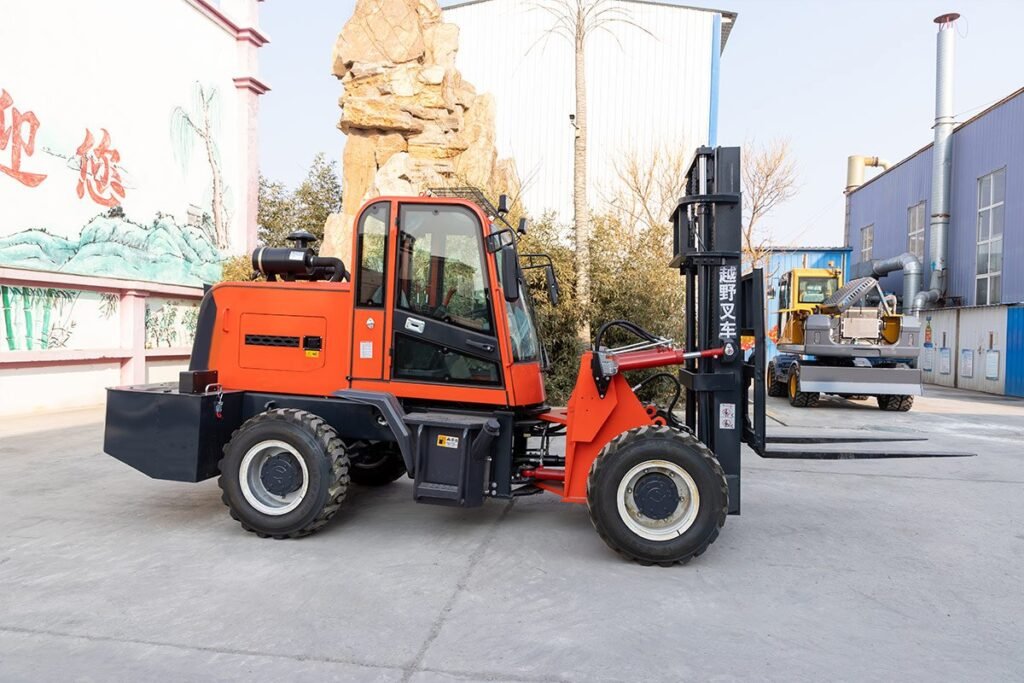
Engine performance is another major operational differentiator among top construction equipment manufacturers today. You might look for heavy machinery equipped with advanced common rail engines or multi-injection technology. These advanced diesel engines usually deliver superior torque while actively minimizing daily fuel consumption.
High-quality vehicle designs often incorporate an articulated chassis to achieve an extremely tight turning radius. This engineering flexibility allows operators to navigate safely through confined B2B lumber yards and busy sites. Comparing maneuverability metrics can drastically improve your daily operational speed and site safety.
Ergonomic cabin design is also a major factor that definitively separates premium equipment from average options. Advanced models may feature targeted vibration reduction systems and significantly enhanced visibility for the operator. These specific ergonomic improvements can drastically reduce driver fatigue and heavily increase overall workplace safety.
Why Your All Terrain Forklift Supplier Matters?
Selecting an experienced all terrain forklift supplier is just as crucial as picking the physical machine itself. A highly reputable vendor usually provides comprehensive product warranties and readily available replacement parts. This dependable aftermarket support can significantly reduce costly equipment downtime for your business.
Professional suppliers also provide necessary safety documentation and highly detailed vehicle maintenance manuals. The Occupational Safety and Health Administration strictly mandates specialized operator training for Class VII industrial trucks. A reliable commercial partner can supply the technical specifications needed to facilitate this crucial legal compliance.
You should carefully review the vendor’s B2B delivery logistics and established customer service reputation. A trusted heavy machinery distributor will proudly offer transparent shipping timelines for your B2B purchases. This supply chain dependability ensures your commercial construction project remains strictly on schedule.
Consider the vendor’s reputation for responsive technical troubleshooting and ongoing fleet maintenance support. Having direct access to knowledgeable engineering staff can efficiently resolve unexpected mechanical issues swiftly. This collaborative business partnership ultimately maximizes the financial return on your heavy machinery investment.
Is the Hengwang HWC-35 the Right Choice for Your Fleet?
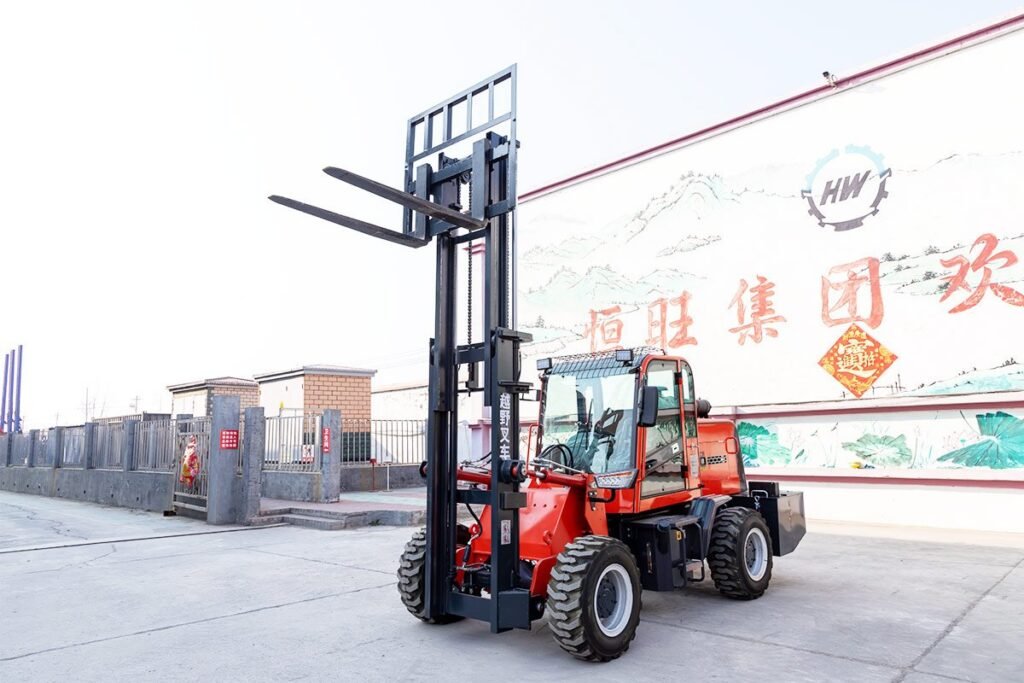
Determining if the Hengwang HWC-35 suits your fleet requires assessing your specific maneuverability needs. This robust model features a 3.5-ton lifting capacity and a highly dependable four-wheel drive system. These specific capabilities typically make it highly suitable for demanding outdoor material handling tasks.
A major operational advantage is its incredibly tight turning radius of up to 8 feet. This compact engineering allows precise navigation through highly restrictive job sites without losing lifting stability. You can carefully review exact specifications on theall-terrain forklift for sale platform page to determine suitability.
Equipped with heavy-duty hydraulic brakes and large 20.5/70-16 tires, this machinery heavily prioritizes operational safety. By carefully matching these specific technical features against your daily requirements, you can make a sound B2B decision.
Safety Disclaimer: The information in this article is for educational purposes and is not professional safety advice. Operating heavy construction machinery may involve significant workplace health and safety risks. Always consult official OSHA safety guidelines and manufacturer operating manuals before utilizing any industrial equipment.
Choosing the right heavy equipment demands a careful evaluation of load capacities and long-term supplier reliability. By prioritizing ANSI-compliant designs and robust off-road maneuverability, you can confidently secure a highly productive machine. Aligning these precise technical specifications with your specific site needs ensures a smart and valuable investment.
FAQ
Q1: What is the difference between standard and rough terrain models?
A Class VII machine is specifically engineered with larger pneumatic tires and higher ground clearance. These features allow it to safely navigate muddy, rocky, or heavily uneven outdoor construction surfaces. Standard warehouse forklifts are strictly restricted to smooth, paved indoor B2B environments.
Q2: Do operators need special training for an outdoor lift truck?
Yes, operators typically require specific certification to handle rough terrain lift trucks safely outdoors. OSHA regulations officially mandate that users complete both formal instruction and practical evaluation for Class VII machinery. Proper training actively helps prevent tip-overs and ensures highly secure load handling.
Q3: How do I select a reliable heavy-duty equipment vendor?
You should definitely select an all terrain forklift supplier that offers strong warranty terms and available parts. It is also highly important to carefully verify their delivery timelines and technical support infrastructure. A dependable B2B supplier will always provide comprehensive safety manuals and prompt troubleshooting assistance.
Q4: What load capacity should I look for in an off-road model?
The ideal load capacity depends entirely on the heaviest materials you plan to move regularly. Most standard outdoor B2B models offer safe lifting capacities ranging from 3,000 to 10,000 pounds. You should always choose a capacity slightly higher than your maximum requirement to ensure optimal safety.
Q5: Which specific safety standards apply to top manufacturing brands?
Reputable heavy equipment brands typically adhere to the rigorous ANSI/ITSDF B56.6 industry safety standard. This highly comprehensive guideline dictates the necessary structural integrity and secure load handling requirements for rough operations. Ensuring your chosen machine firmly meets these standards can significantly enhance your workplace safety.
Reference Sources
Industrial Truck Association (ITA) – Forklift Truck Classes – https://www.indtrk.org/
Occupational Safety and Health Administration (OSHA) – Powered Industrial Trucks 1910.178 – https://www.osha.gov/
American National Standards Institute (ANSI) – ANSI/ITSDF B56.6-2021 Safety Standard for Rough Terrain Forklift Trucks – https://webstore.ansi.org/
Industrial Truck Standards Development Foundation (ITSDF) – B56 Standards – https://www.itsdf.org/