Selecting a wheel loader for sale requires a precise evaluation of mechanical efficiency and structural durability. For professional users, the 3-ton capacity represents a critical balance between maneuverability and heavy-duty performance. These machines are essential for mid-sized construction projects, material handling, and urban infrastructure development. To ensure a high return on investment, you must focus on the breakout force, engine reliability, and hydraulic responsiveness.
A standard 3-ton machine should deliver a rated load of 3,000kg with a bucket capacity of approximately 1.8 cubic meters. Most high-quality models utilize a 92kW turbocharged engine to provide the necessary torque for difficult digging conditions. Choosing the right unit involves verifying that the dumping height reaches at least 3,100mm to accommodate high-sided transport trucks. By prioritizing these technical specifications, professionals can secure equipment that maintains peak productivity across multiple work cycles.
Technical Standards for a 3 Ton Wheel Loader for Sale
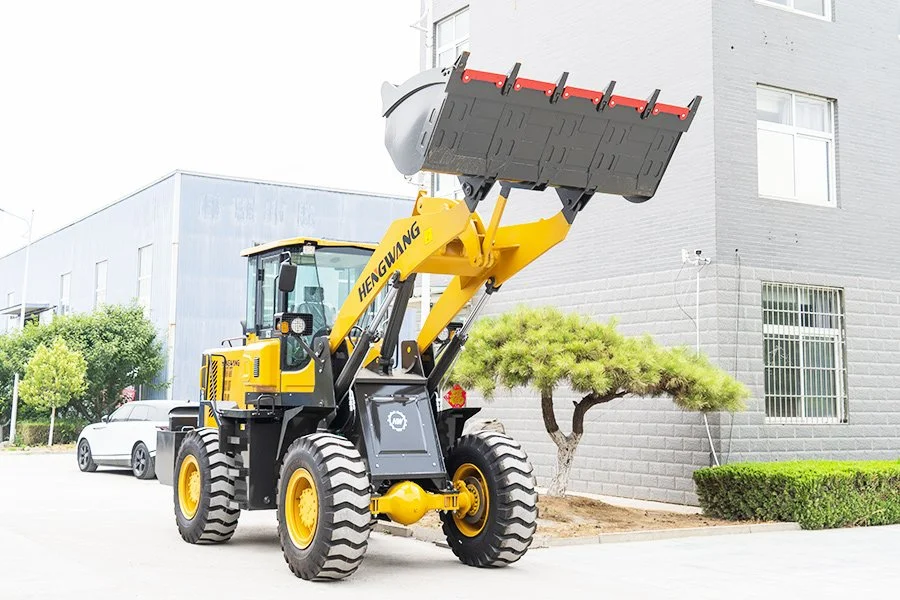
When evaluating a wheel loader for sale, performance data is the most reliable indicator of quality. A professional-grade 3-ton loader should offer a maximum breakout force of 98kN to 105kN. This power ensures the machine can penetrate dense stockpiles without stalling the hydraulic system. Furthermore, the total hydraulic cycle time should remain under 10 seconds to maximize hourly material throughput. Reliable machines often feature a dumping reach of over 1,000mm to prevent collisions with receiving vehicles.
Operating weight is another crucial metric that determines the stability of the machine during full-load operations. A standard 3-ton unit should have an operating weight of approximately 10,000kg to 10,500kg. This mass acts as a counterweight, ensuring the rear wheels stay grounded during high-lift maneuvers. Professional users often demand heavy-duty drive axles with large reduction ratios to handle high-torque demands. These components are vital for maintaining traction on slippery or uneven job sites.
The hydraulic system must feature pilot-operated controls for precise movement and reduced operator fatigue. High-performance models typically use a fixed-shaft power shift transmission with four forward and two reverse gears. This configuration provides the flexibility needed for both high-speed travel and low-speed, high-torque loading. Statistics indicate that machines with integrated hydraulic cooling systems experience 20% less downtime during extreme summer temperatures. Always verify the cooling capacity before finalizing your purchase.
Advantages of 3 Ton Wheel Loader Wholesale in China
The market for 3 ton wheel loader wholesale in china has become a global hub for cost-effective procurement. Wholesale buyers can leverage massive production scales to secure competitive pricing without sacrificing component quality. By purchasing in bulk, construction companies and equipment rental firms often reduce their per-unit costs by 15% to 25%. This financial efficiency allows for faster fleet expansion and improved cash flow management.

Wholesale sourcing also provides better access to a diverse range of machine configurations. Buyers can request specific engine brands or specialized tire patterns based on their local environmental conditions. Many Chinese wholesalers offer comprehensive export packages that include essential spare parts for the first 2,000 hours of operation. This proactive approach to maintenance ensures that international buyers can maintain their fleets with minimal logistical delays.
Quality control in the wholesale sector has improved significantly through standardized assembly lines. Most leading wholesalers implement rigorous 48-hour stress tests for every machine before it reaches the shipping port. These tests cover hydraulic pressure stability, transmission shifting smoothness, and electrical system integrity. Professional users benefit from this transparency by receiving machines that are ready for immediate deployment.
Identifying Top Wheel Loader Manufacturers and Factories
Finding a reliable wheel loader factory is the most effective way to ensure long-term equipment support. A direct relationship with the manufacturer allows for faster technical troubleshooting and direct access to genuine parts. Professional users should look for factories that employ robotic welding for the front and rear frames. Robotic precision eliminates human error and ensures the structural integrity required for decades of service.
The best wheel loader manufacturers invest heavily in research and development to improve fuel efficiency. Modern factories are now producing loaders that consume 10% less fuel while delivering 5% more breakout force. They also prioritize ergonomic cabin designs with 360-degree visibility and noise-reduction technology. These features are not just for comfort; they directly impact site safety and operator retention rates.
When vetting a manufacturer, check for international certifications such as ISO 9001 and CE compliance. These credentials verify that the production process meets global safety and quality management standards. A reputable wheel loader factory will also provide detailed maintenance manuals and video training for your local technicians. This level of support is essential for maintaining machine resale value in the secondary market.
Determining if the HW-30 Model Fits Your Operations
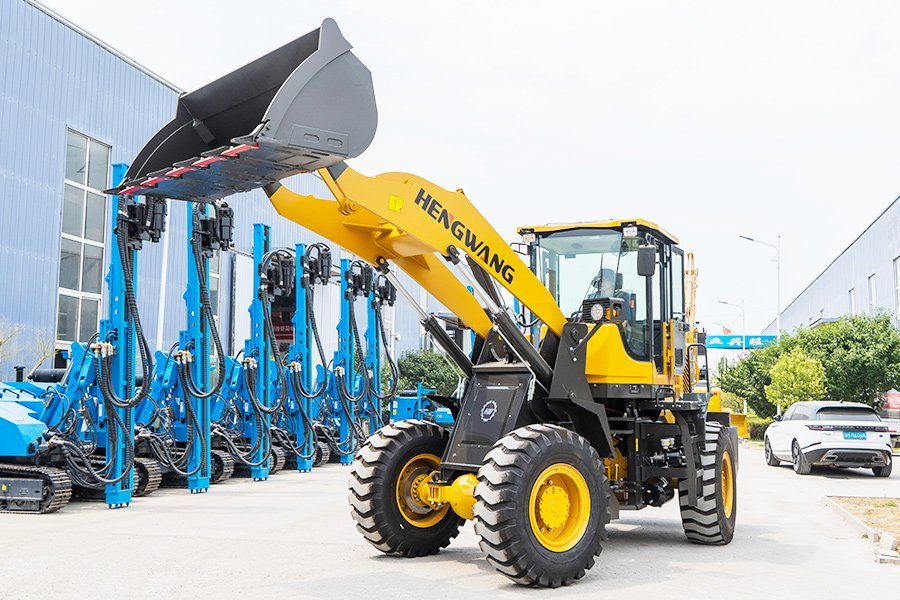
Deciding on a specific machine requires matching its unique features to your daily task requirements. The HW-30 wheel loader serves as a benchmark for professional 3-ton equipment due to its robust design. It features a 92kW engine and a 3,200mm dumping height, making it ideal for loading large trucks. Users should evaluate if this specific lift height and bucket capacity align with their existing transport fleet.
The cabin ergonomics and control layout of the HW-30 are designed for maximum operational precision. It utilizes a pilot control system that allows for smooth, multi-function movements of the boom and bucket. If your projects involve tight spaces, the articulated steering system provides the necessary maneuverability for efficient navigation. Understanding these functional advantages helps you determine if this model will improve your current site efficiency.
Maintenance accessibility is another critical factor for professional fleet managers. The HW-30 offers centralized grease points and easy-access filters to reduce the time spent on routine servicing. By choosing a machine that simplifies maintenance, you ensure that operators are more likely to follow recommended service intervals. This leads to a longer machine lifespan and fewer unexpected mechanical failures.
Summary
Selecting a wheel loader for sale involves balancing engine power, hydraulic efficiency, and manufacturer reputation. Professional users can optimize their budgets by exploring 3 ton wheel loader wholesale in china for fleet-scale projects. By sourcing directly from a wheel loader factory, you ensure high structural quality and reliable after-sales support.
FAQ
Q:What is the ideal engine power for a 3-ton wheel loader?
A power output of approximately 92kW is ideal for balancing fuel efficiency with the breakout force needed for heavy digging.
Q:How does a pilot control system benefit the operator?
Pilot controls use low-pressure hydraulic signals to move the main valves, allowing for smoother movements and significantly less physical effort.
Q:Why should I buy a wheel loader for sale directly from a factory?
Direct factory purchases eliminate middleman fees, allow for machine customization, and provide faster access to technical engineering support.
Q:What is the standard dumping height for a 3-ton loader?
A standard height is around 3,100mm, but high-performance models like the HW-30 often reach 3,200mm to improve truck-loading efficiency.
Reference Sources
- Association of Equipment Manufacturers (AEM) – Construction Equipment Statistics: https://www.aem.org/
- Committee for European Construction Equipment (CECE) – Industrial Product Standards: https://www.cece.eu/
- Occupational Safety and Health Administration (OSHA) – Heavy Equipment Operation Guidelines: https://www.osha.gov/