The modern construction landscape relies heavily on versatile and powerful machinery. Among these tools, the excavator stands out as the most essential piece of equipment. If you are starting a new project, you might ask, what is an excavator and how does it work? This machine is a heavy-duty vehicle designed primarily for digging and moving large amounts of earth. It features a long arm, a rotating cab, and a bucket attachment for various tasks.
Most people recognize these machines by their distinct “hook-like” appearance on construction sites. They provide the mechanical power needed to replace manual labor in difficult environments. Whether you are building a skyscraper or a small garden pond, understanding this machine is vital. It offers a combination of hydraulic power and precision that few other vehicles can match.
An excavator operates using a complex hydraulic system to control its movements. This system allows the operator to lift heavy loads with minimal effort. The machine consists of a house, an undercarriage, a boom, and a dipper. These parts work together to provide a 360-degree range of motion. This flexibility makes it a primary choice for contractors worldwide.
What is an Excavator and How Does It Function?
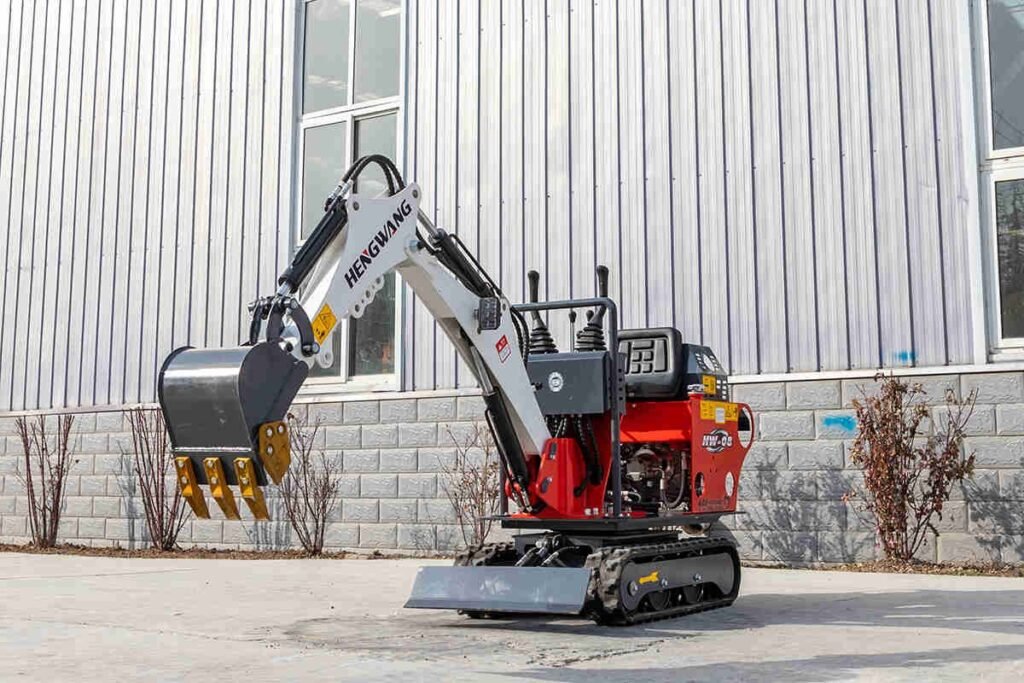
To define what is an excavator, one must look at its mechanical structure. The machine is composed of three main sections: the undercarriage, the housing, and the work group. The undercarriage includes tracks or wheels that allow the unit to move across terrain. The housing sits on a rotating pivot, which lets the operator turn the machine completely around.
The work group consists of the boom, the arm (or stick), and the bucket. Hydraulic cylinders provide the force necessary to move these components. Excavators use pressurized fluid to extend and retract the cylinders. This hydraulic pressure can exceed 300 bar in larger models. This force allows the machine to penetrate hard soil and lift several tons of material.
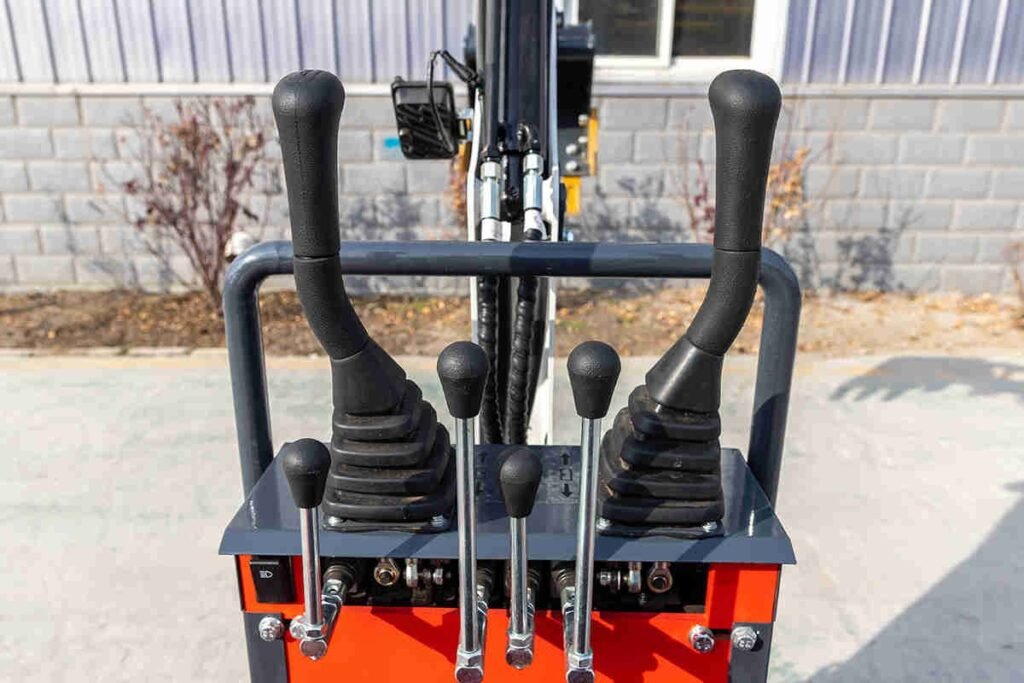
Operating these machines requires specific training and skill. The operator uses joysticks inside the cab to control every movement. Modern units often feature advanced GPS and automated depth-sensing technology. These features ensure that digging is accurate to within a few centimeters. Such precision is crucial for laying pipes or foundations in urban areas.
| Component | Function | Material/Spec |
| Boom | Provides vertical and horizontal reach | High-strength steel |
| Hydraulic Pump | Converts engine power into fluid pressure | Up to 150-200 L/min |
| Cab | Operator’s control center | ROPS/FOPS certified |
| Tracks | Provides traction and stability | Steel or Rubber |
Common Types of Excavators for Different Projects
Not all machines are built the same way. Choosing the right version depends on the scale of your work. The crawler excavator is the most common type found on large sites. It runs on tracks rather than wheels, which distributes weight evenly. This design prevents the machine from sinking into soft or muddy ground.
For projects on finished roads or parking lots, wheeled versions are often preferred. These models move faster and do not damage asphalt surfaces. However, they lack the stability of tracked units on uneven terrain. Another specialized type is the long-reach excavator. This machine has an extended arm reaching over 20 meters, making it perfect for deep dredging.
Mini excavators have gained massive popularity in recent years. These compact machines typically weigh between 0.8 and 6 metric tons. They are ideal for residential landscaping, interior demolition, and small farm tasks. Their small footprint allows them to pass through narrow gates or even standard doorways. Despite their size, they maintain impressive digging depths of 1.5 to 3 meters.
Top Uses and Applications of Excavators
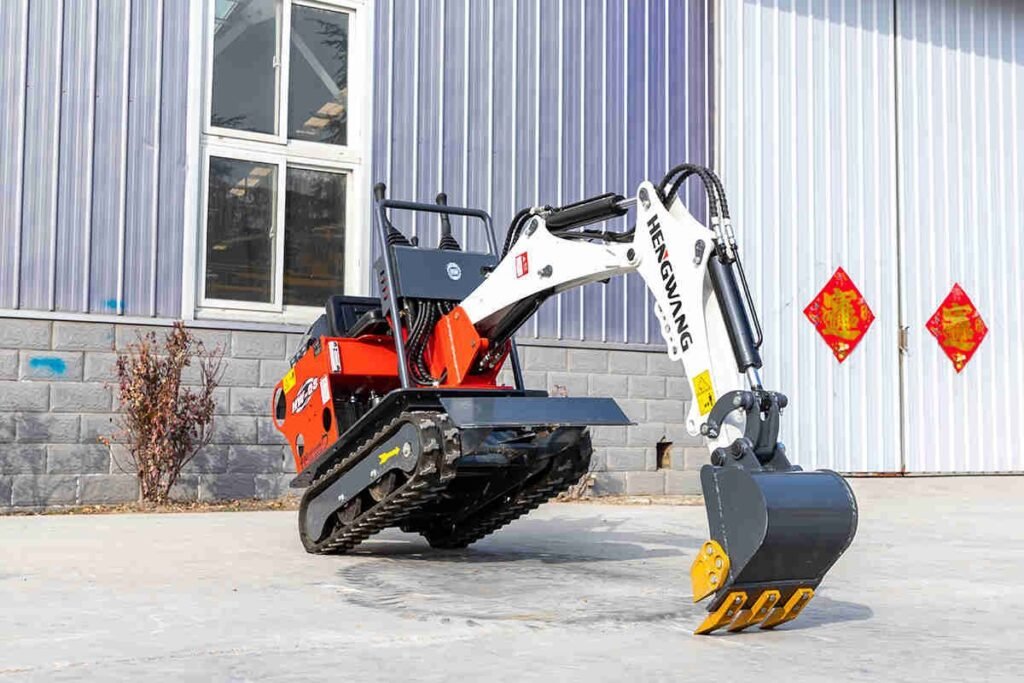
Understanding what is an excavator also involves knowing its diverse applications. While digging is the primary use, these machines are multi-functional. In demolition, they use hydraulic shears or breakers to tear down structures. The power of the hydraulic arm can crush concrete and cut through steel beams easily. This versatility saves contractors from renting multiple specialized machines.
Landscaping projects frequently utilize smaller units for grading and trenching. They can create slopes for drainage or dig holes for large trees. In the mining industry, massive excavators move thousands of cubic yards of rock every hour. These industrial giants can weigh over 500 tons and hold 40 cubic meters in a single bucket. Their efficiency is the backbone of modern resource extraction.
Another critical use is material handling at ports or scrap yards. Specialized attachments like grapples allow the machine to pick up logs, scrap metal, or pipes. The ability to rotate 360 degrees makes loading trucks a fast and seamless process. This speed increases productivity and lowers labor costs on busy jobsites. In emergency situations, they are even used for debris removal after natural disasters.
Key Factors in Choosing a Reliable Mini Excavator
When looking for a machine like the Hengwang HW-08, you must evaluate your specific needs. Choosing a mini excavator involves balancing power with portability. Small units like the HW-08 often feature an operational weight of around 800kg to 1000kg. This weight class is perfect for delicate jobs where ground pressure must stay low. You should check the engine power, which typically ranges from 7kW to 9kW for entry-level models.
A vital judging criterion is the tail swing of the machine. A “zero tail swing” design ensures the back of the cab does not overhang the tracks. This feature is essential when working close to walls or inside buildings. Additionally, look at the bucket capacity, which for small units is often around 0.02 cubic meters. This size is ideal for narrow trenches and garden work.
Finally, consider the maintenance requirements and attachment compatibility. A good machine should offer easy access to the engine and hydraulic filters. It should also support various tools like augers, rakes, and rippers. If your project involves tight spaces, a machine with a width of less than 1 meter is necessary. High-quality compact units provide the durability of heavy machinery in a much smaller package.
Summary
In conclusion, knowing what is an excavator helps you select the right tool for any earthmoving task. These machines combine hydraulic strength with versatile attachments to handle digging, demolition, and lifting. Whether you need a massive crawler or a compact mini unit, the excavator remains the most efficient choice for modern construction and landscaping.
FAQ
Q:What is the main purpose of an excavator?
The main purpose is to dig and move earth or heavy materials. It uses a hydraulic arm and bucket to perform tasks that would be impossible for manual labor.
Q:Can I use a mini excavator for home projects?
Yes, mini excavators are specifically designed for small-scale residential work. Their compact size and rubber tracks make them safe for use on driveways and in backyards.
Q:What is the difference between a backhoe and an excavator?
An excavator can rotate its entire cab 360 degrees, while a backhoe typically has a limited rotation of 200 degrees. Excavators are generally larger and designed for heavy-duty work.
Q:How deep can a small excavator dig?
A typical mini excavator can dig between 1.5 and 2.5 meters deep. Larger industrial models can reach depths of over 10 meters.
Q:Do I need a license to operate an excavator?
License requirements vary by region and site type. While many private landowners operate small units without a license, professional construction sites usually require certified training.
Reference Sources
Association of Equipment Manufacturers (AEM): Construction Equipment Standards and Safety. https://www.aem.org/
Hengwang Group: HW-08 Crawler Excavator Technical Specifications. https://hengwangm.com/
Occupational Safety and Health Administration (OSHA): Heavy Equipment Operation Guidelines. https://www.osha.gov/