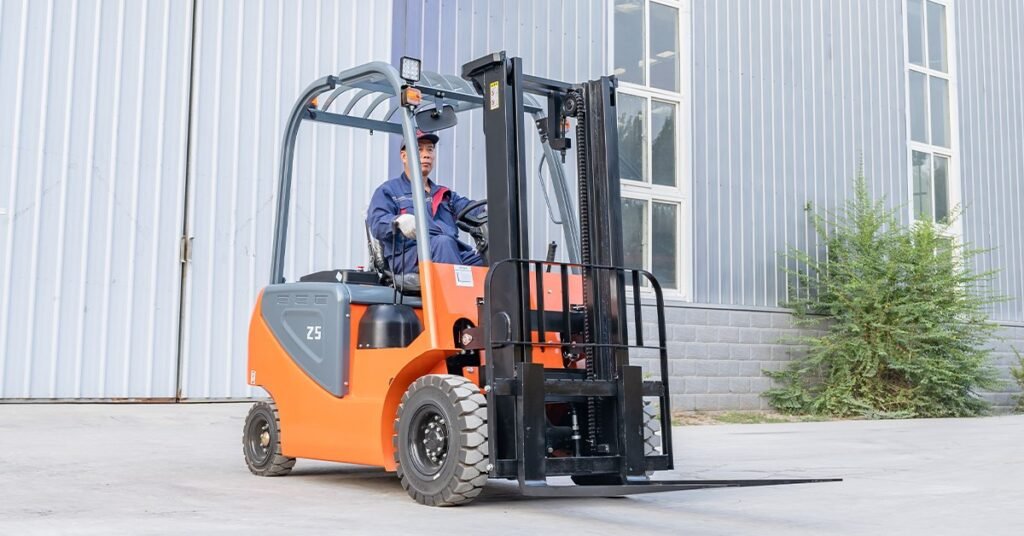
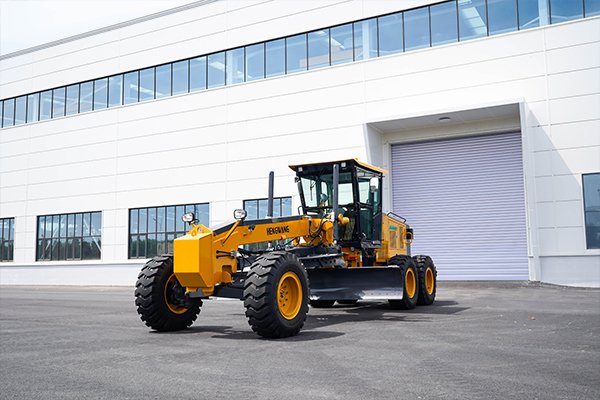
Selecting the right equipment is critical for any heavy-duty job site. Loaders serve as the workhorses of material handling and site preparation. Understanding the different types of loaders ensures your project remains on schedule. Each machine offers unique advantages for specific terrains and tasks.
Choosing the wrong equipment can lead to higher operational costs. Efficiency depends on matching the loader’s capacity with the job requirements. This guide explores the most effective machinery for contemporary construction needs. We will focus on performance, versatility, and technical specifications.
Whether you are moving soil or clearing debris, specialized equipment is necessary. Modern machines integrate advanced hydraulics and ergonomic controls for better precision. Evaluating these options helps project managers maximize their return on investment.
What Are the Main Types of Loaders for Construction?
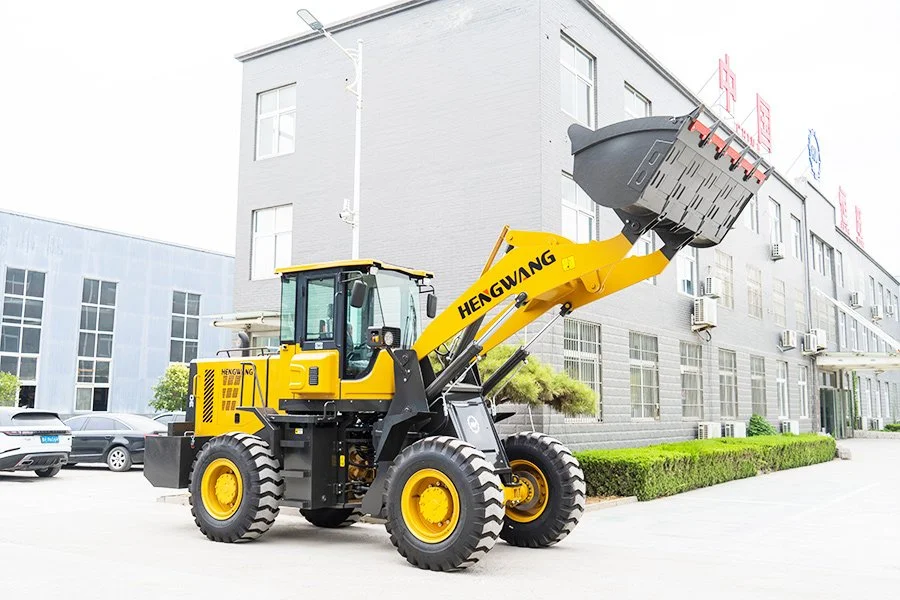
Wheel loaders are perhaps the most recognizable machines in the industry. These powerful vehicles use four large wheels to move over solid ground. They excel in high-capacity material transport and stockpiling tasks. Wheel loaders provide excellent speed across flat, stable job sites.
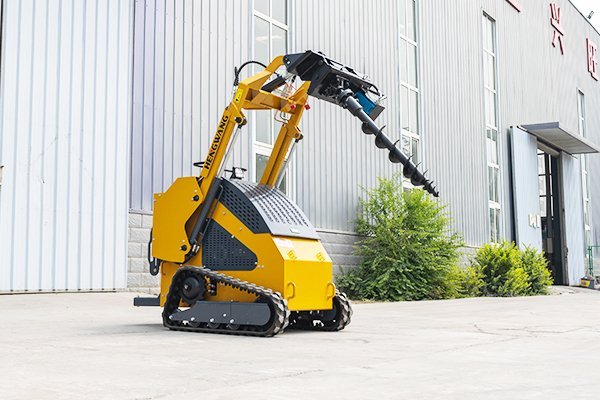
Skid steer loaders offer unmatched maneuverability in tight spaces. These compact machines can turn within their own footprint. Operators often use them for landscaping or urban demolition projects. Their small size allows them to navigate narrow passages easily.
Backhoe loaders combine the capabilities of three different machines. They feature a front loader bucket and a rear-mounted digging arm. This dual-purpose design makes them ideal for trenching and loading. Backhoe loaders reduce the need for multiple pieces of equipment on site.
Track loaders utilize continuous tracks instead of wheels for movement. This design distributes weight more evenly across the ground surface. Consequently, they are perfect for soft, muddy, or uneven terrain. They provide superior stability when working on steep or slippery inclines.
How to Choose the Right Capacity for Your Project?
Capacity is often measured by bucket volume and operating weight. Small projects typically require buckets ranging from 0.5 to 1.5 cubic meters. Larger infrastructure projects may need loaders with 3.0 to 5.0 cubic meter capacities. Matching bucket size to material density prevents engine strain.
Engine power is another vital metric for performance evaluation. Most medium-duty loaders feature engines between 50 kW and 100 kW. High-performance models can exceed 150 kW for heavy mining applications. Greater horsepower enables faster cycle times during repetitive loading tasks.
Tipping load determines the maximum weight a loader can safely lift. Safety standards require the operating load to be below 50% of the tipping load. Exceeding these limits can cause the machine to become unstable. Always check the manufacturer’s load chart before starting heavy lifts.
| Loader Type | Typical Horsepower | Bucket Capacity (m³) | Best Terrain |
| Wheel Loader | 80 – 400+ HP | 1.0 – 5.0+ | Hard/Paved Ground |
| Skid Steer | 30 – 90 HP | 0.3 – 0.9 | Compact/Tight Spaces |
| Backhoe | 70 – 110 HP | 0.8 – 1.3 | Mixed/Trenching |
| Track Loader | 70 – 200 HP | 1.0 – 2.5 | Soft/Muddy Soil |
Why Maneuverability Matters in Modern Work Sites?
Urban construction sites often suffer from severe space constraints. Using a large loader in a small area increases the risk of accidents. Compact types of loaders solve this problem by offering tighter turning radii. This agility allows for faster movement between obstacles.
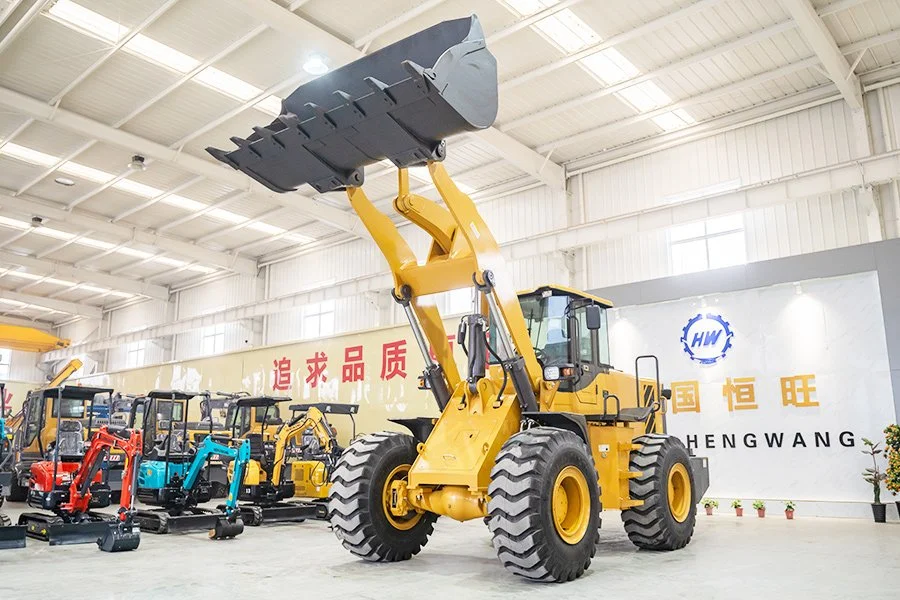
Articulated steering is a common feature in many modern wheel loaders. This system allows the front and rear of the machine to move independently. It reduces tire wear and provides better control during cornering. Articulated loaders are highly efficient in busy loading zones.
Visibility from the cab also influences site safety and speed. Operators need a clear view of the bucket and the surrounding area. Modern designs prioritize large glass panels and 360-degree cameras. High visibility reduces the time spent on manual adjustments.
Technical Specifications and Performance Data
Performance data helps in comparing different types of loaders scientifically. For example, a standard backhoe loader may offer a digging depth of 4.3 meters. Meanwhile, its front bucket might have a breakout force of 5,500 kg. These figures dictate the machine’s ability to handle tough soil.
Hydraulic flow rates determine the speed of the loader’s attachments. High-flow systems allow for more powerful tools like augers or cold planers. Most professional loaders provide hydraulic pressures between 200 and 250 bar. Higher hydraulic pressure improves lifting speed and overall responsiveness.
Fuel efficiency has become a priority for modern fleet management. Many manufacturers now use Tier 4 or Stage V compliant engines. These engines reduce emissions while maintaining high torque at low RPMs. Lower fuel consumption directly improves the profitability of long-term projects.
Operating weight affects how much pressure is applied to the ground. A light skid steer might weigh 2,800 kg for easy transport. Large wheel loaders can weigh over 20,000 kg for maximum stability. Transporting these machines requires careful planning and specialized trailers.
Criteria for Selecting Your Next Loader
Evaluating the primary application is the first step in equipment selection. Determine if your project requires digging, lifting, or simply moving materials. For multi-tasking, a backhoe is often the most cost-effective choice. Specialized tasks require dedicated machinery for maximum output.
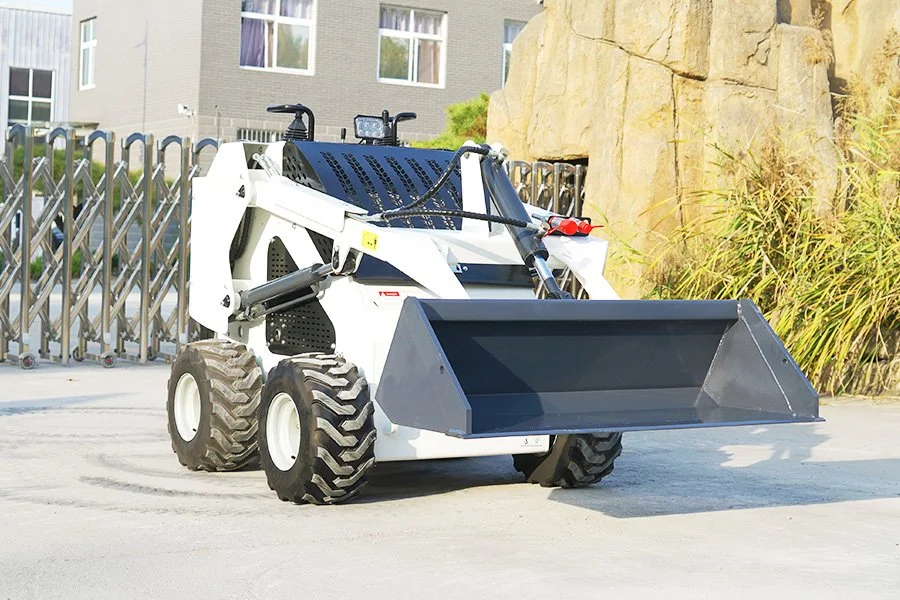
Consider the ground conditions where the machine will operate. Wheels are faster but can get stuck in deep mud. Tracks provide better flotation but move slower on asphalt surfaces. Analyzing the terrain prevents downtime caused by stuck or damaged equipment.
Maintenance requirements should also influence your final decision. Look for machines with easy access to engine components and filters. Reliable local support for parts and service is essential for fleet longevity. Easy maintenance reduces total cost of ownership over the machine’s life.
Future-proofing your fleet involves looking at attachment compatibility. Quick-attach systems allow operators to switch tools in seconds. This versatility allows one loader to perform the work of several. Versatile equipment increases project flexibility in changing environments.
How to Determine if a Loader Suits Your Fleet?
Selecting the right equipment depends on balancing power and operational costs. It is vital to assess the daily volume of material your project handles. If you move more than 500 tons daily, a large wheel loader is necessary. Small-scale tasks are better served by agile, compact units.
Another factor is the existing infrastructure at your job site. Ensure your transport trailers can handle the weight of the new machine. Also, verify that your operators are trained for specific control systems. Proper operator training maximizes machine potential and ensures safety.
Evaluating the hydraulic system’s capacity is crucial for attachment use. If you plan to use heavy breakers, ensure the loader provides high-flow hydraulics. This prevent overheating and premature wear on the engine. Correct technical matching extends machine life significantly.
Summary
The best types of loaders depend on your specific site conditions and workload. Wheel loaders excel in speed, while track loaders offer stability on soft ground. Backhoes and skid steers provide the versatility and maneuverability needed for complex projects. Choosing based on performance data ensures long-term project success.
FAQ
Q:What are the most common types of loaders used in construction?
The most common types include wheel loaders, backhoe loaders, skid steer loaders, and track loaders. Each type serves a specific purpose based on terrain and material volume.
Q:Should I choose a wheel loader or a track loader?
Choose a wheel loader for speed on hard, flat surfaces and long-distance hauling. Select a track loader for working on soft soil, mud, or steep slopes where extra traction is required.
Q:What is the main advantage of a backhoe loader?
The main advantage is its versatility, as it combines a loader bucket and a backhoe digger. This allows one machine to handle both loading and trenching tasks efficiently.
Q:How do I determine the right bucket size for my loader?
Determine the bucket size based on the density of the material you move and the loader’s rated capacity. Heavier materials require smaller buckets to prevent the machine from tipping.
Q:Are skid steer loaders good for heavy construction?
Skid steers are best for supporting roles, such as site cleanup and material handling in tight spaces. They are not typically used for large-scale earthmoving compared to heavy wheel loaders.
Reference Sources
Association of Equipment Manufacturers (AEM)
https://www.aem.org/
Occupational Safety and Health Administration (OSHA)
https://www.osha.gov/
Association of General Contractors of America (AGC)
https://www.agc.org/