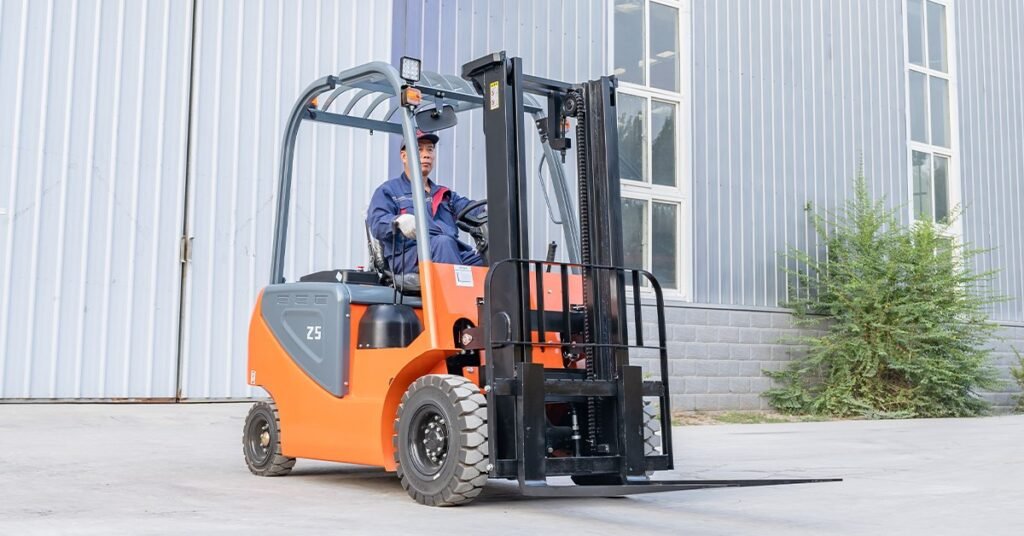
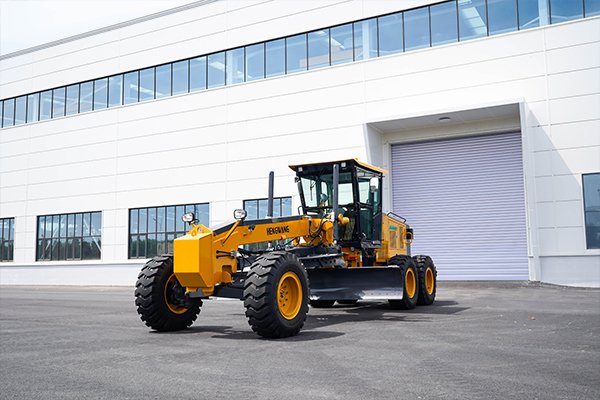
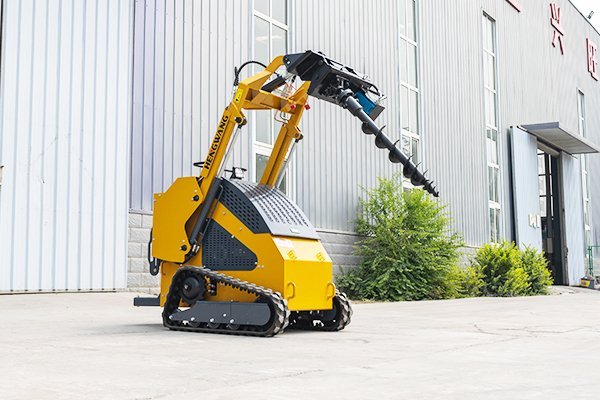
Heavy machinery defines the backbone of modern global infrastructure development. Dump truck uses span across various industrial sectors from urban development to remote extraction sites. These powerful vehicles transport large volumes of loose material with speed and precision.
Efficiency remains the primary goal for any site manager or contractor. Dump truck uses ensure that materials like sand, gravel, and demolition waste move quickly. Without these machines, project timelines would extend significantly due to manual labor limitations.
The versatility of these vehicles allows them to operate in diverse environmental conditions. From paved city streets to muddy forest paths, specialized designs meet specific needs. Dump truck uses continue to evolve as technology improves engine power and load distribution.
Key Dump Truck Uses in Large-Scale Construction
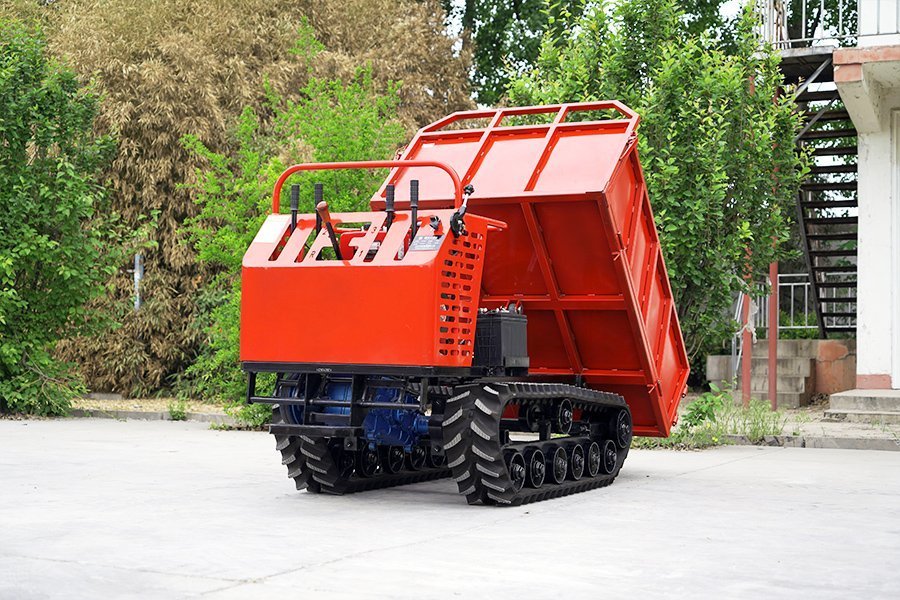
The most common application for these vehicles involves site preparation and debris removal. Construction teams rely on them to haul away excavated soil during foundation digging. Dump truck uses help maintain a clean and safe work environment for laborers.
Once excavation ends, the trucks bring in necessary building materials. This includes delivering bulk amounts of crushed stone or hot asphalt for paving. Dump truck uses facilitate the rapid completion of road networks and building foundations.
Data from the construction industry suggests that mechanical hauling is 80% faster than manual methods. Large-scale infrastructure projects often utilize a fleet of varying truck sizes. Dump truck uses are categorized by the volume of material they can carry per trip.
| Feature | Standard Dump Truck | Crawler Dumper Truck |
| Ground Surface | Paved roads or hard dirt | Mud, soft sand, and slopes |
| Mobility | High speed on highways | Superior traction on rough terrain |
| Typical Load | 10 to 20 tons | 1.5 to 5 tons (compact models) |
| Turning Radius | Large area required | Zero or small radius |
The Role of Specialized Dumpers in Modern Mining
Mining operations present some of the harshest environments for mechanical equipment. Dump truck uses in mining focus on moving raw ore and overburden material. These vehicles must withstand constant vibration and heavy impact from falling rocks.
Open-pit mines require vehicles that can navigate steep, winding haul roads safely. Standard trucks might struggle with traction on loose mineral surfaces. Consequently, specialized dump truck uses include the deployment of tracked or crawler versions for stability.
Research indicates that mining productivity relies heavily on the “cycle time” of hauling vehicles. Shortening the time spent loading and dumping increases overall mineral output. Dump truck uses are therefore optimized through high-capacity beds and rapid hydraulic tipping systems.
Technical Specifications and Operational Efficiency

Understanding the mechanical limits of a vehicle is crucial for safety. Most heavy-duty trucks utilize high-torque diesel engines to move massive weights. Dump truck uses depend on the integrity of the hydraulic cylinders that lift the bed.
Operating a truck on a 20-degree incline requires significant power and braking reliability. Modern systems now include automated descent control to prevent accidents. Dump truck uses are safer today because of integrated sensors and stability monitoring.
Fuel consumption is a major factor in determining project operational costs. Efficient dump truck uses involve matching the truck size to the excavator’s bucket capacity. This synchronization reduces idle time and minimizes wasted fuel during the loading process.
Environmental Adaptability of Hauling Equipment
Weather conditions often dictate the pace of a construction or mining project. Heavy rain can turn a dry site into a dangerous mud pit within hours. Dump truck uses shift toward specialized crawler models when traditional wheels lose grip.
Tracked vehicles distribute weight over a larger surface area than tires. This prevents the machine from sinking into soft or marshy ground. Dump truck uses in forestry or mountain construction specifically require this high-flotation capability.
Low ground pressure is also essential for protecting the underlying soil structure. In sensitive environments, dump truck uses must minimize the ecological footprint left by heavy tires. Crawler systems provide a solution by gliding over delicate surfaces without deep rutting.
Selecting Equipment for Difficult Ground Conditions
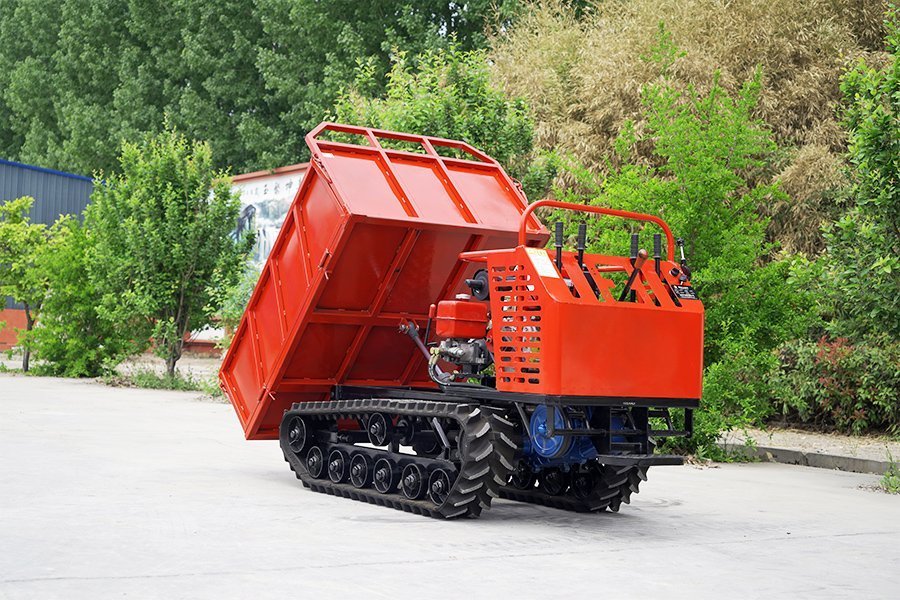
Choosing the right machinery depends on the specific challenges of your project location. One must evaluate whether the terrain consists of stable pavement or unpredictable soft soil. Dump truck uses are most effective when the vehicle’s drive system matches the ground type.
Compact crawler dumpers serve as an excellent bridge between manual labor and heavy machinery. They are ideal for navigating narrow paths where a full-sized truck cannot fit. Evaluating the climbing gradient of a vehicle helps ensure it can handle steep hills without stalling.
Durability is another key factor when working in abrasive mining environments. Machines with reinforced rubber tracks often perform better in rocky or jagged conditions. Understanding these technical requirements ensures that dump truck uses result in maximum uptime and minimal repair costs.
Summary
Dump truck uses are fundamental to the success of mining and construction projects worldwide. These machines provide the necessary power to transport bulk materials across challenging landscapes safely. By choosing the correct truck type, operators can significantly improve site productivity and project ROI.
FAQ
Q:What are the primary materials moved by dump trucks?
Dump trucks primarily move loose materials like soil, sand, gravel, and raw mineral ores. They also transport demolition waste and building supplies like asphalt and concrete.
Q:Can a standard dump truck operate in deep mud?
Standard wheeled dump trucks often struggle in deep mud due to limited surface contact. For extremely soft or wet terrain, a crawler dumper with rubber tracks is usually required for traction.
Q:How does load capacity affect project timelines?
Higher load capacity allows for fewer trips between the loading zone and the dump site. This efficiency reduces total project hours and lowers fuel consumption over the long term.
Q:Why are crawler tracks used instead of wheels?
Tracks provide superior weight distribution and grip on unstable or steep ground. They prevent the vehicle from getting stuck in conditions where wheels would simply spin and sink.
Q:Is maintenance different for mining dump trucks?
Yes, mining trucks require more frequent inspections due to the high-impact nature of the work. Operators must regularly check hydraulic systems and structural integrity for signs of stress.
Reference Sources
- Occupational Safety and Health Administration (OSHA) – Ground Loading and Hauling Safety.
https://www.osha.gov/ - Association of Equipment Manufacturers (AEM) – Off-Road Equipment Trends.
https://www.aem.org/ - U.S. Bureau of Labor Statistics (BLS) – Construction and Mining Industry Equipment Usage.
https://www.bls.gov/ - National Stone, Sand & Gravel Association (NSSGA) – Aggregate Transport Standards.
https://www.nssga.org/