A piling machine is a critical piece of heavy equipment in the construction industry. These machines are designed to drive piles into the soil to provide structural support. Piling machine uses extend across various sectors, including residential building, bridge construction, and renewable energy. Without these tools, structures would lack the stability needed to withstand environmental pressures.
The primary function of this equipment is to reach deep load-bearing layers of earth. By doing so, the machine transfers the weight of a heavy structure to more stable ground. This process is essential in areas with soft or unstable topsoil. Modern engineering relies heavily on these machines to ensure the safety and longevity of infrastructure.
Today, technology has advanced to offer specialized rigs for different soil conditions. Whether using hydraulic pressure or vibration, these machines provide high precision. Engineers select specific models based on the required depth and the nature of the project. Understanding piling machine uses helps contractors optimize their workflow and reduce overall costs.
What Are the Primary Piling Machine Uses in Construction?
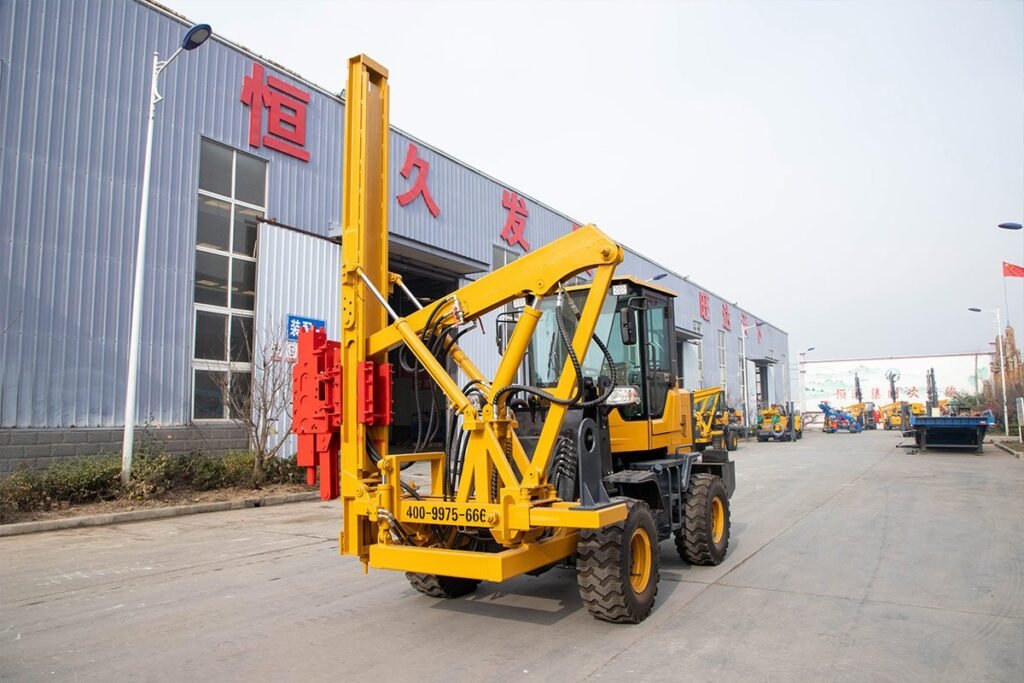
The most common application for a piling machine is building deep foundations. Tall skyscrapers and industrial plants require immense support to prevent sinking. Piling machine uses involve driving steel, concrete, or wood piles into the earth. This creates a sturdy base that resists vertical and lateral forces.
In bridge and marine construction, these machines are indispensable. They allow workers to set foundations underwater or in marshy environments. Piles provide the necessary resistance against water currents and shifting silt. Without specialized piling rigs, building over water would be nearly impossible and highly dangerous.
Another growing sector for this equipment is the renewable energy industry. Specifically, piling machine uses in solar farm development have surged recently. Machines install the metal posts that hold solar panels in place. This ensures the arrays stay aligned and secure against high wind speeds and soil erosion.
| Application Type | Common Pile Material | Key Machine Feature |
| High-Rise Buildings | Reinforced Concrete | High Torque & Depth |
| Solar Power Plants | Galvanized Steel | High Mobility (Crawler) |
| Road Guardrails | Steel C-Channels | Impact Hammer Precision |
| Coastal Defense | Timber or Composite | Vibration Control |
How Specialized Piling Equipment Supports Infrastructure
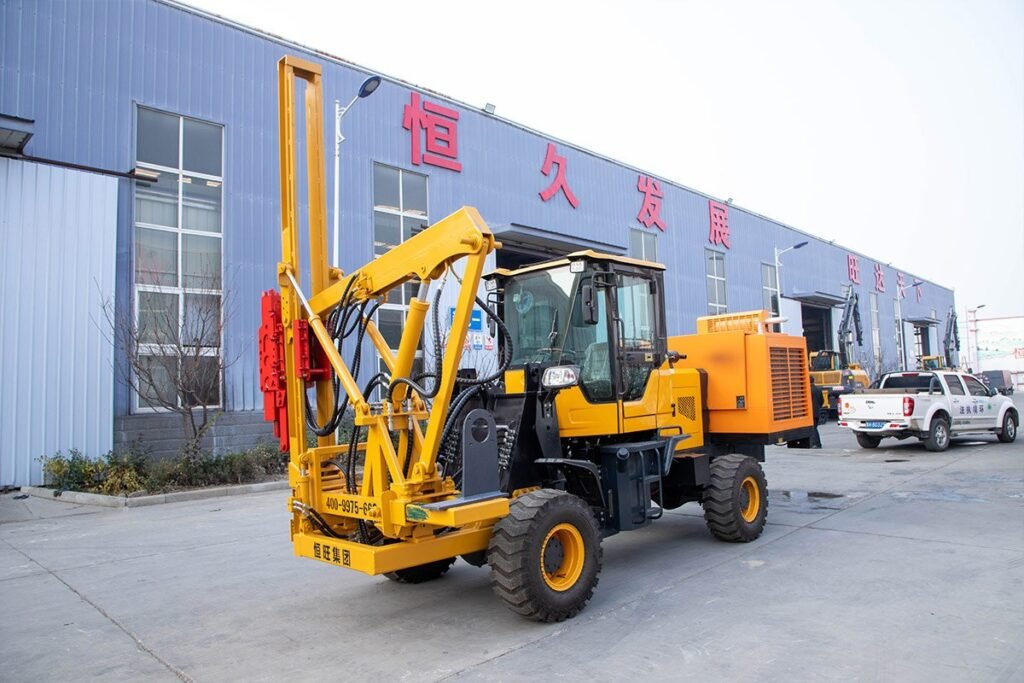
Infrastructure projects often require high-speed installation to meet tight deadlines. For example, road construction utilizes small, mobile units to install safety guardrails. These piling machine uses focus on speed and accuracy along highway shoulders. A single machine can often install hundreds of meters of railing in one shift.
Hydraulic piling rigs are preferred for urban environments due to lower noise levels. These machines use constant pressure rather than loud impact hammers. This allows construction to proceed in residential areas without violating local noise ordinances. Engineers value this versatility for modern city planning and development.
Reliability is backed by data regarding soil bearing capacity and installation depth. Research indicates that deep piles can reach depths of 30 to 60 meters to secure a structure. Piling machine uses ensure that the load is distributed across a larger surface area. This prevents localized soil failure and catastrophic structural collapses.
Key Benefits of Using a Piling Machine for Modern Projects
Efficiency is the most significant advantage of utilizing professional piling equipment. Traditional digging methods are slow and create a massive amount of waste soil. Conversely, piling machine uses involve driving or drilling with minimal surface disturbance. This leads to a cleaner worksite and faster project completion times.
Modern machines also feature integrated GPS and digital monitoring systems. These tools allow operators to track the exact depth and verticality of every pile. Data logs provide proof of structural integrity for building inspectors and project owners. Such precision reduces the risk of human error during the critical foundation phase.
Furthermore, the adaptability of these machines allows for work in diverse climates. Crawler-mounted piling rigs can navigate muddy, steep, or uneven terrain easily. This mobility ensures that piling machine uses remain effective even in remote locations. It reduces the need for extensive site preparation and costly road building.
How to Determine the Best Piling Machine for Your Site
Selecting the correct equipment depends on several environmental and technical factors. Soil composition is the first priority when evaluating piling machine uses. Hard rock requires high-torque rotary drilling rigs to penetrate the surface. Conversely, soft clay may only require a vibratory or hydraulic press-in machine.
Machine weight and transportability also play a major role in the selection process. For remote solar projects, a lightweight crawler-type machine is often the most efficient choice. These units can move between rows of panels without damaging the surrounding ground. Smaller footprints also mean lower fuel consumption and reduced operational costs.
The required torque and vibration frequency are vital metrics for project success. Engineers must match the machine’s power output to the diameter of the piles being used. Choosing an underpowered machine can lead to delays or mechanical failure. Properly assessing these criteria ensures the equipment performs optimally throughout the project duration.
Summary
In summary, piling machine uses are vital for ensuring the stability of modern structures. These machines provide deep foundation support for buildings, bridges, and solar power installations. By understanding the specific needs of a site, contractors can choose the right rig for maximum efficiency. High-quality piling equipment remains the backbone of safe and durable infrastructure.
FAQ
Q:What is the main purpose of a piling machine?
The main purpose is to drive or drill piles deep into the ground to provide structural support. This ensures that heavy loads are transferred to stable soil or rock layers.
Q:Can piling machines be used in residential areas?
Yes, hydraulic and bored piling machines are frequently used in residential zones. These models are designed to minimize noise and vibration to avoid disturbing neighbors.
Q:Why are piling machines used for solar farms?
They are used to quickly and accurately install the steel posts that support solar panels. This provides a level and secure foundation for the energy equipment across large areas.
Q:How deep can a standard piling machine drive a pile?
Most standard machines can reach depths between 10 and 30 meters. However, specialized industrial rigs are capable of reaching depths exceeding 60 meters for heavy infrastructure.
Q:What is the difference between a hammer and a rotary piling machine?
A hammer machine uses impact force to push piles into the soil. A rotary machine drills a hole first or uses rotational force to screw the pile into the ground.
Reference Sources
Association of Equipment Manufacturers (AEM)
https://www.aem.org/
American Society of Civil Engineers (ASCE)
https://www.asce.org/
Solar Energy Industries Association (SEIA)
https://www.seia.org/
Occupational Safety and Health Administration (OSHA)
https://www.osha.gov/
Deep Foundations Institute (DFI)
https://www.dfi.org/