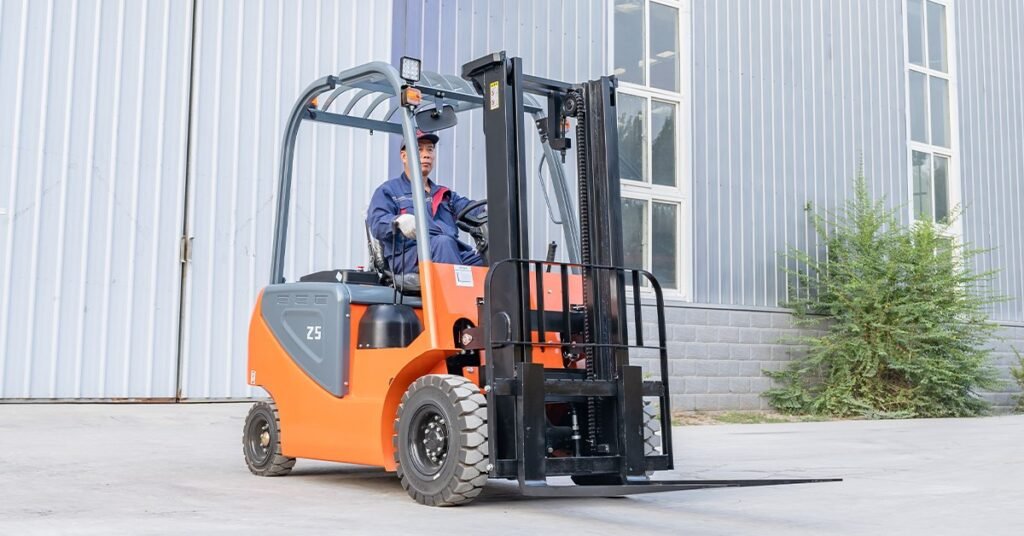
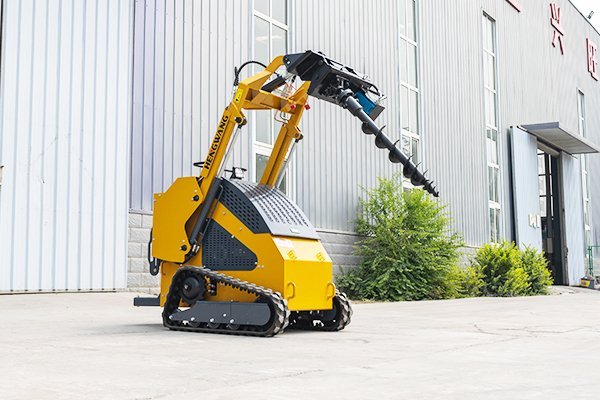
Infrastructure development relies on specialized tools to ensure safety and longevity. Choosing the right road construction machinery is critical for meeting engineering standards. This guide details the essential tools needed for professional road building and maintenance.
Reliable equipment accelerates project timelines and reduces labor costs. Modern machines provide the precision required for high-traffic surfaces. Understanding their specific uses helps project managers optimize their fleet for different terrains.
What Are the Main Types of Road Construction Machinery?
The construction process involves several distinct phases. Each phase requires a unique category of road construction machinery to achieve professional results. These categories include earthmoving, leveling, and finishing equipment.
Earthmoving machines, such as excavators, are used for initial clearing. They remove obstacles and dig trenches for drainage systems. Excavators typically handle buckets ranging from 0.1 to 1.5 cubic meters depending on their size.
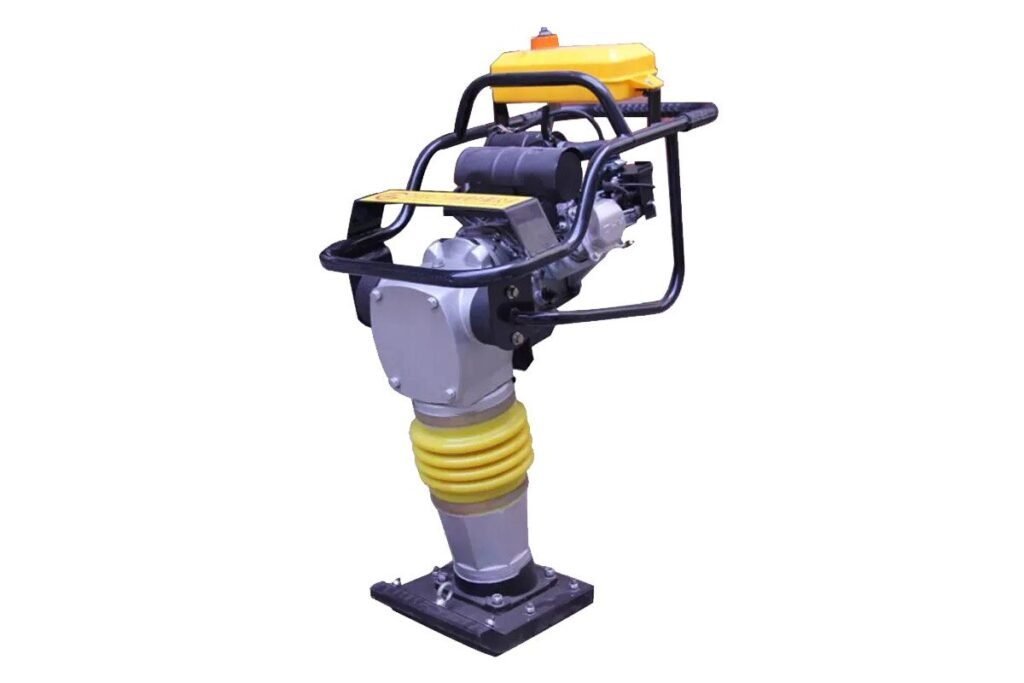
Compaction equipment follows the earthmoving stage to stabilize the ground. Road rollers are the primary tools used for this purpose. They ensure the sub-base is dense enough to support heavy traffic loads without sinking.
Essential Road Construction Machinery for Every Project Phase
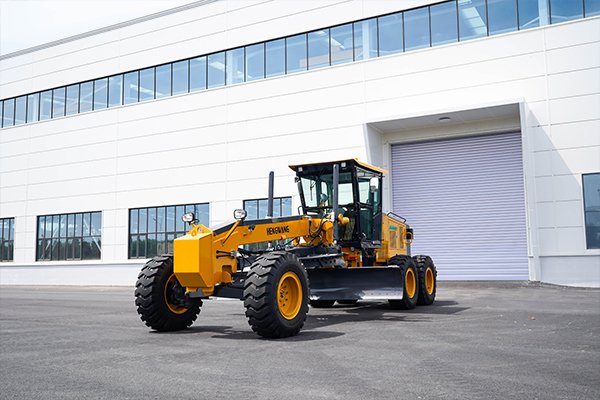
Effective road building starts with site preparation. Motor graders are used to create a flat, even surface. Motor graders often feature blades up to 4 meters wide to cover large areas quickly.
Once the surface is level, paving machines apply the final materials. Asphalt pavers distribute the hot mix evenly across the roadbed. A standard asphalt paver can lay between 100 and 300 tons of material per hour.
The final stage involves smoothing the asphalt with finishing rollers. These machines ensure the road surface is waterproof and skid-resistant. High-quality road construction machinery ensures the surface remains smooth for years.
| Machine Type | Primary Function | Key Specification |
| Excavator | Trenching & Clearing | 1.5 – 30 Ton Operating Weight |
| Road Roller | Soil & Asphalt Compaction | 10kN – 200kN Centrifugal Force |
| Motor Grader | Surface Leveling | 100 – 250 Horsepower |
| Asphalt Paver | Laying Road Surface | 2.5 – 9.0 Meter Paving Width |
| Wheel Loader | Material Handling | 1.0 – 5.0 Cubic Meter Bucket |
Detailed Uses and Key Specifications of Common Road Equipment

Road rollers are perhaps the most diverse category of road construction machinery. Vibratory rollers are used for granular soils and gravel bases. Vibratory rollers can reach frequencies of 30 to 50 Hz for deep compaction.
Pneumatic-tired rollers are specialized for finishing asphalt layers. These machines use heavy rubber tires to provide a kneading effect. This process seals the surface better than steel drums alone.
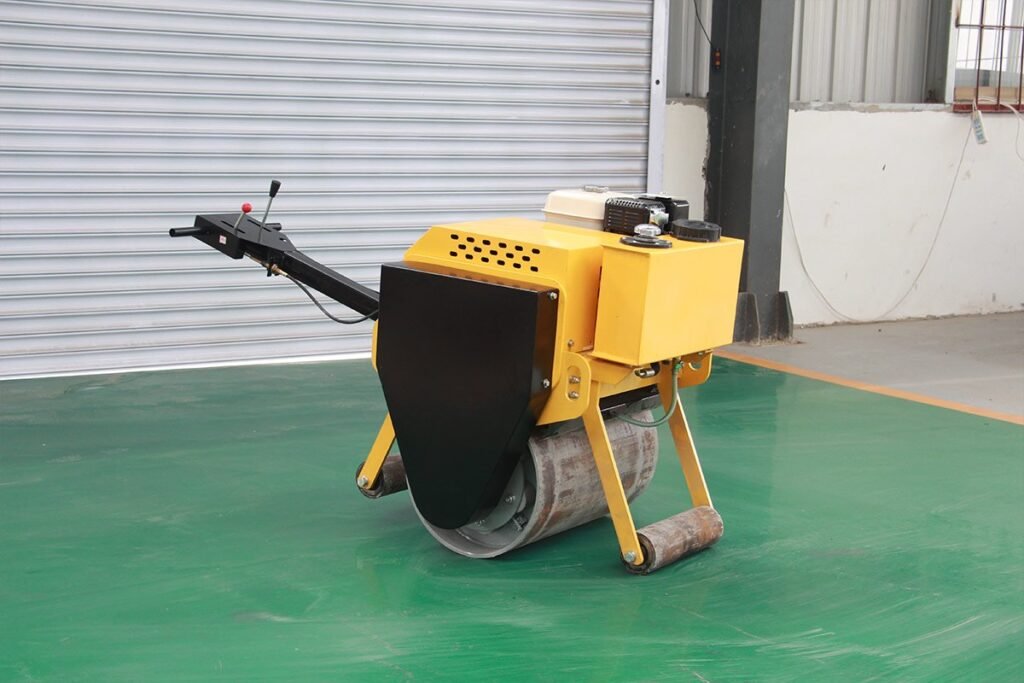
Small-scale projects often utilize walk-behind rollers or mini excavators. These compact machines are ideal for sidewalks or residential driveways. Mini rollers usually weigh between 500kg and 1,000kg, making them easy to transport.
Concrete mixers and pumps are also vital for rigid pavement projects. These machines ensure the concrete remains at the correct consistency during transit. Modern mixers can hold 6 to 12 cubic meters of concrete in a single load.
How to Choose the Right Road Construction Machinery
Selecting the correct equipment depends on the scale of your project. Large highway projects demand heavy-duty machines with high output capacities. Project managers must evaluate the soil type and compaction requirements before renting or buying.
Fuel efficiency is another major factor in the decision-making process. Modern engines are designed to reduce emissions while maintaining high torque. Machines with Tier 4 or Stage V engines offer better long-term cost savings.
Maintenance availability is also essential for preventing downtime on site. Ensure your provider offers accessible spare parts and technical support. Investing in equipment with standardized components simplifies the repair process.
Durability should be prioritized over the initial purchase price. Higher-quality steel and hydraulic systems last longer under intense working conditions. Heavy-duty road construction machinery typically has a lifespan of 10,000 to 15,000 hours.
Consider the terrain where the machine will operate. Tracked machines provide better stability on soft or uneven ground. Wheeled equipment offers higher mobility for projects spread over large distances.
Summary of Road Paving and Compaction Equipment
Modern road construction machinery is essential for building durable and safe infrastructure. From initial excavation to final compaction, each machine plays a vital role. By selecting high-performance tools, contractors can ensure project efficiency and surface quality. Reliable equipment remains the backbone of successful civil engineering.
FAQ
Q:What is the most important machine in road construction?
The road roller is considered the most critical machine. It ensures the structural integrity of the road by compacting the base and surface layers. Without proper compaction, roads would quickly develop cracks and potholes.
Q:What is the difference between a static and vibratory roller?
Static rollers rely solely on their weight to compress materials. Vibratory rollers use internal rotating weights to create oscillations. Vibratory machines are significantly more effective at compacting deep soil layers.
Q:How do I maintain road construction machinery?
Regular maintenance involves checking hydraulic fluids and engine oil daily. You should also inspect the rollers and blades for wear and tear. Scheduled servicing every 250 operating hours helps prevent major mechanical failures.
Q:Can mini excavators be used for road building?
Yes, mini excavators are perfect for specialized road tasks. They are often used for installing roadside drainage or utility lines. Their compact size allows them to work in tight spaces without blocking traffic.
Q:What factors affect the choice of a motor grader?
The blade length and engine power are the most important factors. For wide highways, a longer blade increases efficiency per pass. Higher horsepower is necessary for grading tough, rocky soils.
Reference Sources
- Association of Equipment Manufacturers (AEM)
https://www.aem.org/ - Federal Highway Administration (FHWA)
https://highways.dot.gov/ - International Road Federation (IRF)
https://www.irf.global/ - American Society of Civil Engineers (ASCE)
https://www.asce.org/