Choosing the right machinery can define the success of a project. Mini excavators are now essential for modern urban construction and landscaping. These compact machines offer versatility that larger units cannot match. Understanding the best mini excavator features helps buyers maximize their return on investment.
Modern projects often involve working in confined spaces. Operators need machines that balance power with a small footprint. A well-chosen mini excavator reduces manual labor costs significantly. It also increases the speed of trenching and foundation work. This guide highlights the technical aspects you must evaluate.
Digging Depth and Operational Reach
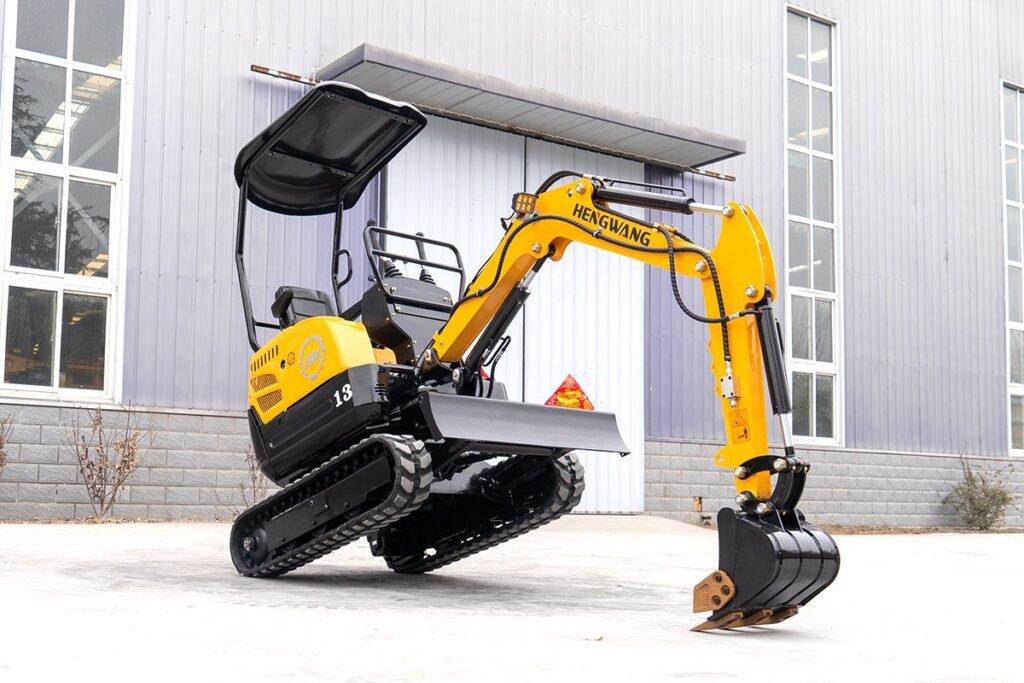
The primary function of any excavator is moving earth. Therefore, digging depth is a critical specification to consider. Most residential projects require a depth of at least 1.5 meters. The best mini excavator features always include a balanced boom and arm length.
For a 1.3-ton class machine, a digging depth of 1,650 mm is standard. This depth allows for the installation of most utility pipes and cables. Reach is equally important for dumping materials into trucks. A maximum reach at ground level helps reduce the need for constant repositioning.
Efficient reach saves time and fuel during a long workday. It also minimizes ground disturbance on sensitive job sites. Always check the lift capacity at the maximum reach. This ensures the machine remains stable while handling heavy loads.
Engine Performance and Fuel Efficiency
Power is the heart of every construction machine. A high-quality engine ensures consistent performance under heavy loads. Many top-tier mini excavators utilize air-cooled or water-cooled diesel engines. These engines provide the necessary torque for tough soil conditions.
The best mini excavator features include an engine that balances output and fuel consumption. An output of approximately 8.2 kW is ideal for 1.3-ton models. This power level handles digging and grading without excessive fuel waste. High-performance engines also offer better reliability in extreme weather.
Fuel efficiency directly impacts the daily operating cost of the equipment. Modern engines are designed to meet emission standards while maintaining power. Look for models with easy access to the engine compartment. Simple maintenance access reduces downtime for oil and filter changes.
Compact Design and Maneuverability
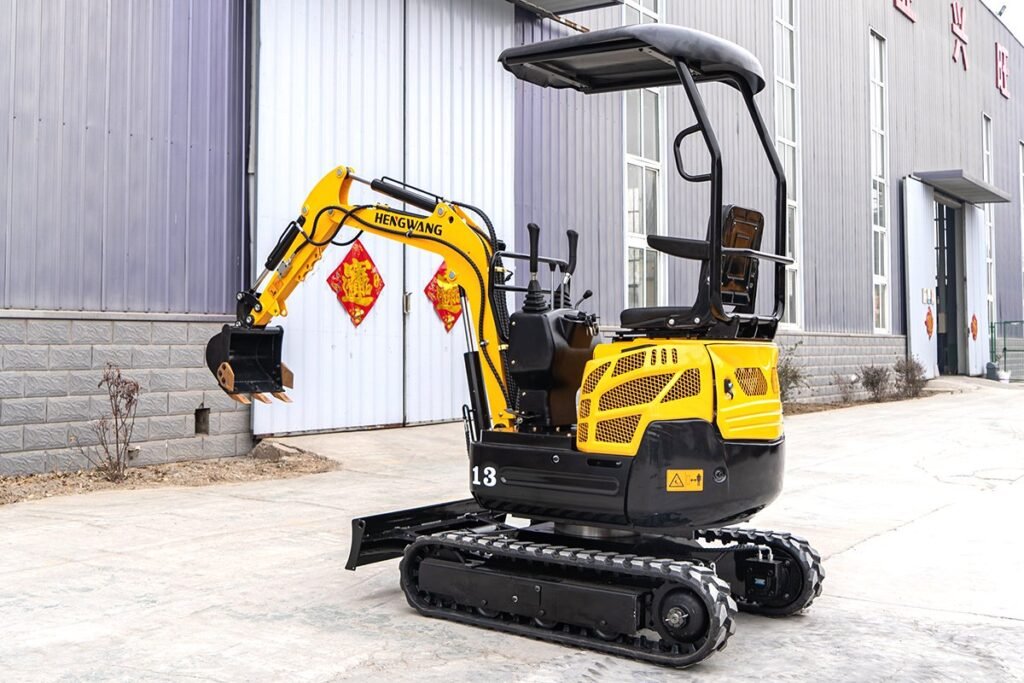
The greatest advantage of a mini excavator is its size. Compact machines can enter backyards through standard garden gates. This mobility is a core part of the best mini excavator features for urban contractors. A machine width of less than 1,000 mm is often preferred.
Crawler tracks provide the stability needed for uneven terrain. They distribute the machine’s weight to prevent sinking into soft mud. A 1.3-ton machine with a width of 940 mm offers excellent accessibility. It can navigate narrow alleyways and indoor demolition sites with ease.
Maneuverability also includes the ability to climb slopes. Most high-quality mini excavators can handle a gradeability of 30 degrees. This allows the machine to move up trailers or embankments safely. Compact designs ensure that the tail swing does not hit nearby structures.
Hydraulic Precision and Bucket Versatility
Hydraulic systems determine how smooth the machine feels to the operator. Precise controls allow for delicate work around existing utility lines. The best mini excavator features involve high-pressure hydraulic pumps. These pumps provide steady flow to the bucket and the travel motors.
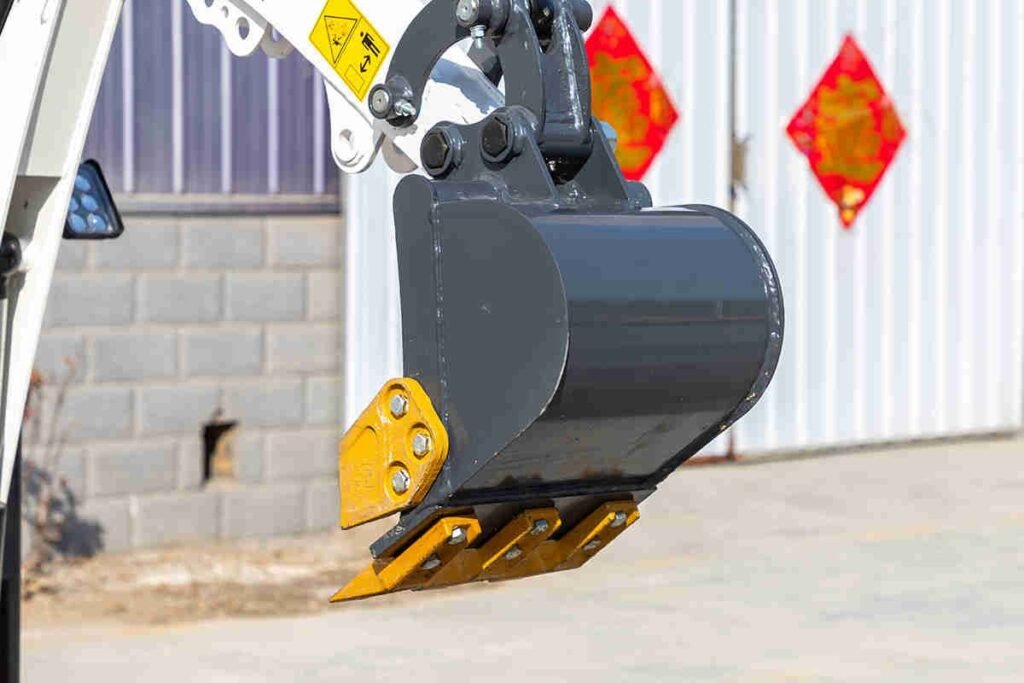
Bucket capacity is another vital factor for productivity. A standard bucket for a small machine might hold 0.025 cubic meters. This size is perfect for narrow trenching and precision landscaping. High-quality hydraulics ensure the bucket maintains a strong breakout force.
Versatility increases when the machine supports various attachments. Many operators use augers, hammers, or rakes alongside the bucket. A reliable hydraulic auxiliary line makes switching these tools easy. This flexibility allows one machine to perform multiple roles on a site.
| Feature Category | Key Specification | Performance Benchmark |
| Machine Weight | Operating Weight | 1,300 kg |
| Power Output | Engine Rated Power | 8.2 kW @ 3600 rpm |
| Digging Capability | Max Digging Depth | 1,650 mm |
| Transport Size | Total Machine Width | 940 mm |
| Gradeability | Maximum Slope Angle | 30° |
Operator Safety and Ergonomic Controls
Safety should never be an afterthought in heavy machinery. Modern mini excavators prioritize the protection of the operator. Standard safety features include Roll-Over Protective Structures (ROPS). These frames prevent injury if the machine tips on uneven ground.
The best mini excavator features also focus on operator comfort. Ergonomic joysticks reduce fatigue during eight-hour shifts. Clear visibility from the seat is essential for avoiding site accidents. Simple control layouts help new operators learn the machine quickly.
Safety also includes the stability of the machine during operation. A low center of gravity prevents the unit from rocking while digging. High-quality rubber tracks offer better grip on concrete and asphalt. These small details contribute to a safer and more productive work environment.
Determining the Right Crawler for Your Needs
Selecting a mini excavator requires a clear understanding of your job site requirements. You must decide if the machine’s dimensions fit your most common work areas. If you often work indoors, a narrow width is your top priority. For heavy landscaping, digging depth and bucket force take precedence.
The best mini excavator features should align with your long-term business goals. Evaluate the ease of transporting the machine between different locations. A 1.3-ton unit is usually easy to tow with a standard pickup truck. This portability saves on professional hauling fees and increases scheduling flexibility.
Consider the availability of parts and the simplicity of the mechanical design. Machines that use standard components are easier to repair in the field. Reliability is the most important feature for maintaining a profitable construction business. A dependable crawler ensures that your projects stay on schedule and under budget.
Summary
The best mini excavator features focus on balancing compact size with powerful performance. Key factors include a 1,650 mm digging depth, an 8.2 kW engine, and a narrow 940 mm profile. Prioritizing hydraulic precision and operator safety ensures long-term efficiency and high productivity on every job site.
FAQ
What is the most important feature when buying a mini excavator?
Digging depth and machine width are usually the most critical features for buyers. You must ensure the machine can reach the required depth for your utility work. Simultaneously, the machine must be narrow enough to enter your specific job sites.
How much power does a 1.3-ton mini excavator typically need?
A 1.3-ton mini excavator typically requires an engine with about 8.2 kW of power. This provides a balance between high digging force and low fuel consumption. It is sufficient for most residential and light commercial landscaping tasks.
Can a mini excavator operate on steep slopes?
Most high-quality mini excavators can handle a gradeability of up to 30 degrees. This allows them to climb ramps and work on moderately sloped landscapes. However, operators should always follow safety guidelines to prevent tipping on uneven terrain.
Reference Sources
Association of Equipment Manufacturers (AEM)
https://www.aem.org/
Equipment World
https://www.equipmentworld.com/
American Society of Agricultural and Biological Engineers (ASABE)
https://www.asabe.org/