Operating heavy machinery requires constant vigilance regarding mechanical health. When a wheel loader fails, project timelines often suffer significant delays. Effective loader troubleshooting allows operators to identify issues before they escalate into expensive repairs. This guide explores common malfunctions and provides actionable technical solutions.
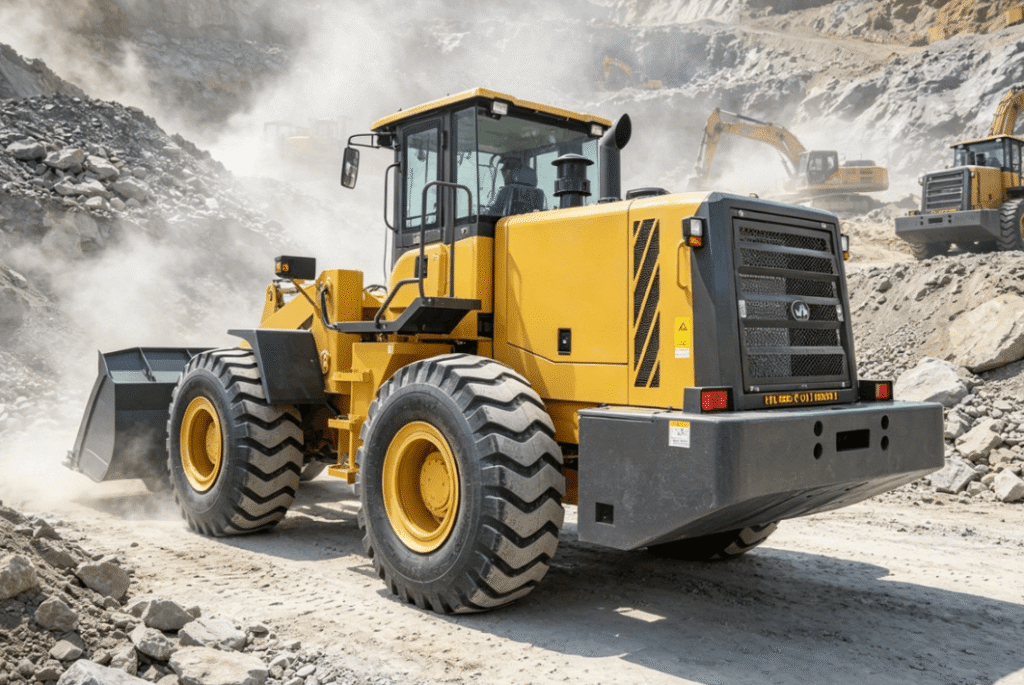
Modern loaders are complex machines with integrated hydraulic and mechanical systems. Understanding the interaction between these components is vital for maintenance. Most operational failures stem from three core areas: hydraulics, engines, and transmissions. Addressing these early ensures the long-term reliability of your construction equipment.
Essential Loader Troubleshooting for Hydraulic Failures
Hydraulic systems provide the necessary force for lifting and tilting heavy loads. When the bucket moves slowly or lacks power, the hydraulic pump is often the culprit. Low fluid levels or contaminated oil can also cause significant pressure drops. Always check the hydraulic fluid transparency; cloudy oil usually indicates water or air contamination.
Overheating is another frequent hydraulic concern that affects performance. If the hydraulic oil temperature exceeds 180°F (82°C), seal damage may occur quickly. This heat often results from internal leaks or a clogged oil cooler. Cleaning the cooling fins regularly can prevent heat-related failures in high-intensity environments.
Noisy operation during lifting typically points to pump cavitation. This happens when air bubbles form and collapse within the hydraulic fluid. Loader troubleshooting for noise should start by inspecting the suction line for leaks. Ensuring all fittings are tight prevents air from entering the pressurized system.
| Common Issue | Likely Symptom | Data Point / Parameter | Recommended Action |
| Slow Hydraulics | Weak lifting force | Pressure < 2500 PSI | Check pump efficiency |
| Engine Overheating | Temp gauge in red zone | Coolant > 210°F | Clean radiator core |
| Steering Drift | Machine pulls to one side | > 5-degree deviation | Inspect steering cylinders |
| Transmission Slip | Delayed gear engagement | > 2-second delay | Change transmission fluid |
How to Fix Engine and Transmission Issues?
Engine performance is the heartbeat of any heavy-duty loader. If the engine produces black smoke, it usually signifies an incorrect air-to-fuel ratio. This is often caused by a restricted air intake or faulty fuel injectors. Data suggests that a 15% restriction in air intake can increase fuel consumption by nearly 10%.
Starting difficulties are frequently linked to electrical or fuel delivery problems. In cold climates, fuel gelling can block the filters and starve the engine. Check the battery voltage, which should ideally read 12.6V or higher when the engine is off. If the voltage drops significantly during cranking, the battery or starter motor requires service.
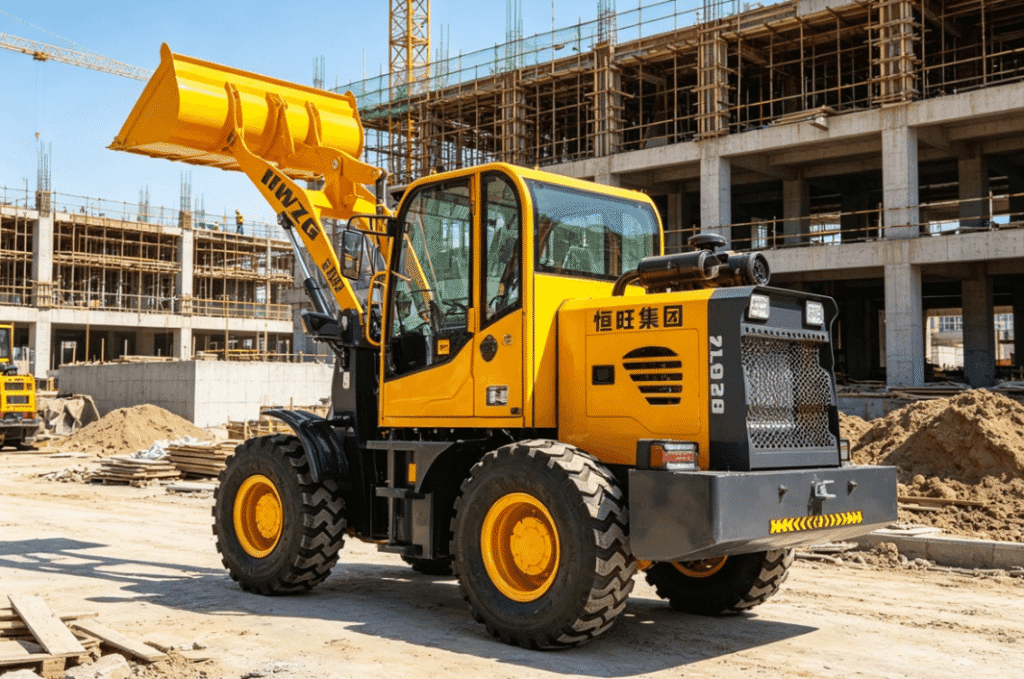
Transmission slipping reduces the machine’s ability to climb slopes or push materials. This problem is often caused by low clutch pressure or worn friction plates. Regular fluid analysis can detect metal shavings, which indicate internal wear. Maintaining the correct transmission oil level is the simplest way to avoid premature component failure.
Addressing Braking and Steering Malfunctions
Braking systems in wheel loaders are critical for operator safety and site security. A “soft” brake pedal usually indicates air trapped in the hydraulic brake lines. This requires a thorough bleeding of the system to restore firm pedal pressure. Ensure the brake fluid meets the manufacturer’s specific viscosity requirements for optimal performance.
Steering stiffness can make maneuvering in tight spaces dangerous and difficult. This often results from a failing steering pump or a blocked orbitrol valve. If the steering wheel kicks back, there may be air in the steering cylinders. Regularly greasing the steering linkages reduces friction and prevents mechanical binding.
Effective loader troubleshooting must include a check of the parking brake. If the loader rolls while parked on a 15% grade, the parking brake needs adjustment. Worn brake pads or leaking calipers are common reasons for reduced holding power. Constant inspection of the braking system prevents catastrophic accidents on uneven terrain.
How to Choose a Loader Based on Maintenance Reliability
Selecting the right equipment involves more than just comparing horsepower or bucket capacity. You must evaluate how easily the machine can be serviced during routine loader troubleshooting tasks. High-quality loaders feature accessible service points that allow for quick filter and fluid changes. This design philosophy significantly reduces the total cost of ownership over the machine’s life.
When browsing professional loader categories, look for models with reinforced hydraulic hoses and centralized grease points. These features minimize the risk of sudden leaks and simplify daily maintenance routines. Durable frames and high-torque engines provide a stable foundation for demanding construction or mining tasks. Reliable machines allow operators to focus on productivity rather than constant mechanical repairs.
Choosing a loader with a modular engine design can also simplify complex repairs. This allows technicians to replace specific components without dismantling the entire powertrain. Robust cooling systems are equally important for machines operating in extreme temperatures. A well-designed machine naturally reduces the frequency and complexity of future troubleshooting requirements.
Summary
Successful loader troubleshooting depends on recognizing early warning signs like strange noises or fluid leaks. By monitoring hydraulic pressures and engine temperatures, you can prevent major mechanical breakdowns. Maintaining strict service intervals ensures that your loader remains a productive asset. Proper care extends equipment life and guarantees safety on every job site.
FAQ
What are the most common signs of a failing hydraulic pump?
The most common signs include slow cycle times, loud whining noises, and excessive fluid heat. If the pump cannot maintain rated pressure, the loader will struggle to lift maximum loads.
How often should I perform loader troubleshooting inspections?
You should perform a visual inspection daily and a technical check every 250 operating hours. Daily checks catch leaks and loose bolts, while scheduled checks focus on fluid quality and system pressures.
Why does my wheel loader lose power under heavy load?
Power loss is usually caused by clogged fuel filters or a malfunctioning turbocharger. It can also result from a slipping transmission that fails to transfer engine power to the wheels effectively.
How do I identify a leak in the air intake system?
Inspect all hoses for cracks and ensure that clamps are tightened to specific torque values. A whistling sound during acceleration often indicates air escaping from the pressurized side of the turbocharger.
Can low tire pressure affect loader performance?
Yes, uneven tire pressure can cause steering drift and increased fuel consumption. Maintaining the manufacturer-recommended PSI ensures better traction and reduces strain on the drivetrain.
Reference Sources
Association of Equipment Manufacturers (AEM):https://www.aem.org/
Occupational Safety and Health Administration (OSHA):https://www.osha.gov/
Society of Automotive Engineers (SAE International):https://www.sae.org/
Machinery Outlook (Construction Equipment Analysis):https://www.equipmentworld.com/