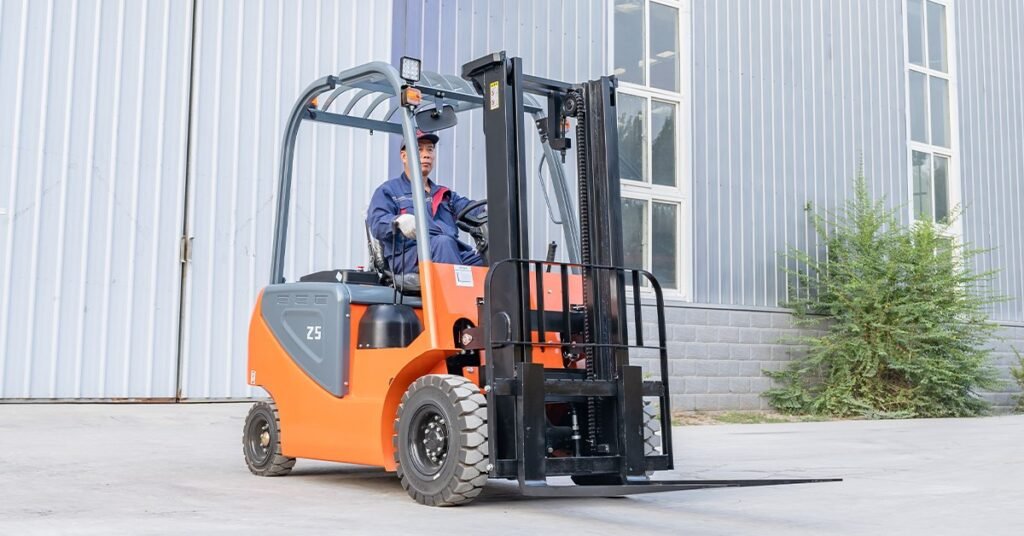
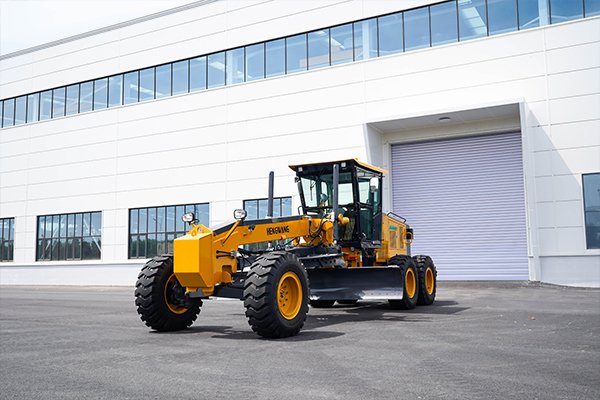
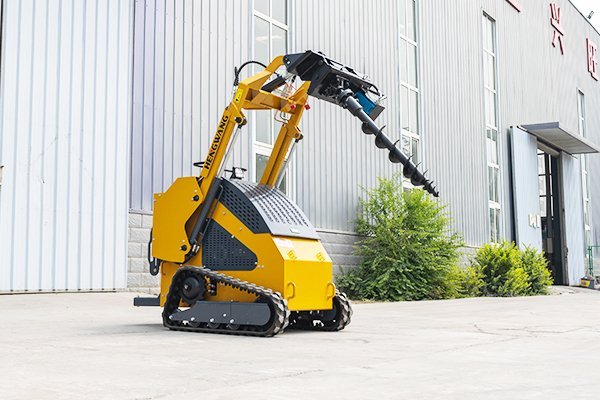
Selecting the right heavy equipment is a critical decision for any project. Contractors often compare the wheel loader vs skid steer to determine which offers better ROI. Both machines excel at moving materials, but they serve different operational needs.
Understanding these differences prevents costly mistakes on the job site. A wheel loader vs skid steer comparison involves analyzing maneuverability, lift capacity, and fuel consumption. This guide provides the data you need to make an informed choice.
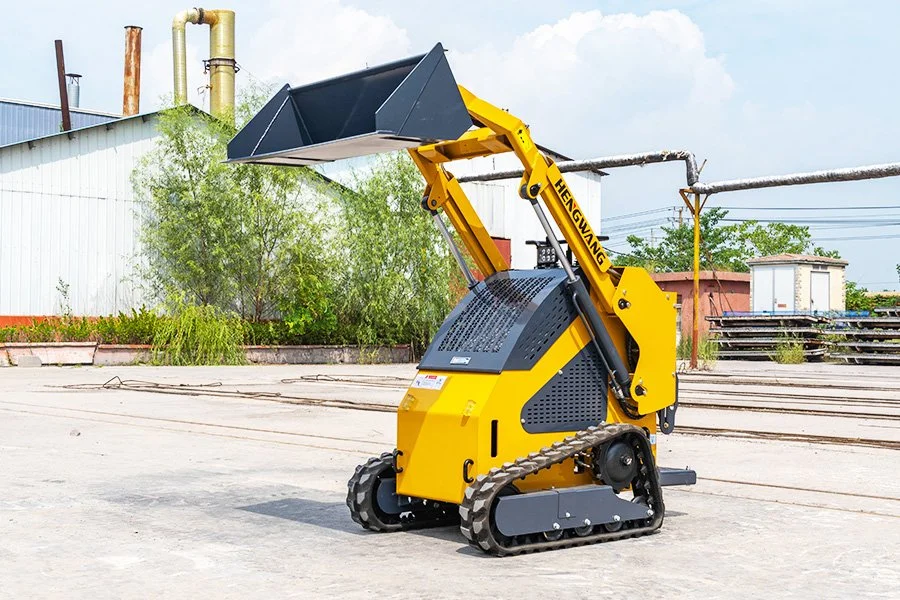
The choice depends heavily on your specific work environment. Small jobs often favor compact machines with high agility. Larger industrial projects require the raw power and speed of heavy loaders.
Key Differences Between Wheel Loader vs Skid Steer
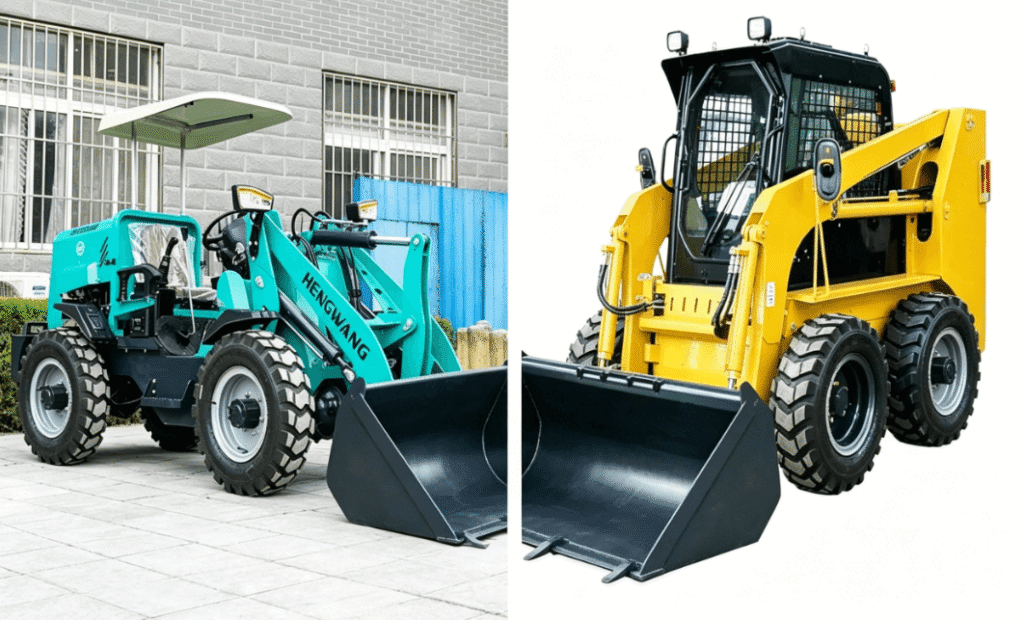
The primary difference lies in the chassis and steering systems. A wheel loader vs skid steer comparison shows that wheel loaders use articulated steering. This means the machine pivots in the middle to turn.
In contrast, a skid steer has a rigid frame. It turns by locking the wheels on one side while the others rotate. This allows for a zero-turn radius, which is ideal for tight spaces.
Wheel loaders typically offer higher seating positions for operators. This provides 360-degree visibility, which improves safety in busy areas. Skid steers have a lower profile, making them easier to transport on small trailers.
| Feature | Wheel Loader | Skid Steer Loader |
| Steering Type | Articulated | Skid Steering |
| Turning Radius | Moderate | Zero-turn |
| Ground Disturbance | Low | High |
| Visibility | Excellent | Restricted (Rear/Sides) |
| Maximum Speed | 15 – 25 mph | 7 – 12 mph |
Why the Steering Mechanism Matters for Your Site
The steering design impacts how the machine interacts with the ground. Articulated wheel loaders do not “skid” their tires during a turn. This significantly reduces wear and tear on the rubber.
It also protects the surface beneath the machine. If you are working on finished turf or sensitive landscaping, a wheel loader vs skid steer decision is simple. The loader will not tear up the grass or leave heavy black marks on asphalt.

Skid steers are aggressive on the ground during turns. This makes them perfect for demolition sites or rough dirt. However, the friction increases tire replacement costs by up to 30% compared to articulated machines.
Comparing Lifting Capacity and Operational Reach
Lifting performance is a major factor in the wheel loader vs skid steer debate. Most compact wheel loaders can lift heavier loads than similarly sized skid steers. They also offer a higher hinge-pin height for dumping into tall trucks.
Standard skid steers usually have a rated operating capacity between 1,500 and 4,000 pounds. In comparison, mid-sized wheel loaders easily handle 6,000 to 10,000 pounds. This makes them the superior choice for high-volume material handling.
Reach also differs based on the lift arm design. Many modern wheel loaders utilize a Z-bar linkage. This provides maximum breakout force for digging into hard-packed piles.
Operational Costs and Fuel Efficiency Data
Fuel consumption is a significant part of the total cost of ownership. Data suggests that wheel loaders are often 20% to 50% more fuel-efficient per ton of material moved. Their larger engines run at lower RPMs while maintaining high torque.
Maintenance requirements also vary between the two. Skid steers have more complex hydraulic systems to manage the steering and drive motors. Wheel loaders use traditional axles and transmissions, which are often easier to service.
Tire life is another hidden cost. A set of tires on a wheel loader can last up to 2,000 hours on hard surfaces. Skid steer tires may need replacement after only 500 to 800 hours of heavy use.
How to Determine Which Loader Fits Your Project
Evaluating your specific site conditions is the best way to choose. If you work in narrow alleys or inside buildings, the skid steer is unmatched. Its compact size allows it to pass through standard gates.
If your project involves moving gravel over long distances, choose the wheel loader. The longer wheelbase provides a smoother ride. This prevents material from spilling out of the bucket at higher speeds.
Consider the attachments you plan to use most often. Both machines support pallet forks, sweepers, and snow blowers. However, wheel loaders provide better hydraulic flow for heavy-duty attachments like large wood chippers.
Accessing professional equipment specifications helps clarify these boundaries. High-quality loaders often feature specialized hydraulic systems for versatile tool integration. Evaluating the articulated loader range allows you to see how size impacts performance.
Pay close attention to the machine’s tipping load and engine horsepower. Modern designs prioritize operator comfort, which reduces fatigue during long shifts. Choosing a machine with an ergonomic cabin can increase daily productivity by 10%.
Summary
The wheel loader vs skid steer choice comes down to space and volume. Skid steers offer unmatched agility for confined spaces and versatile attachment use. Wheel loaders provide superior lift capacity, better fuel efficiency, and lower ground disturbance. Always prioritize the machine that minimizes your long-term operating costs.
FAQ
Is a wheel loader better than a skid steer for snow removal?
Wheel loaders are generally better for large parking lots because they move faster and have better visibility. However, skid steers are superior for clearing narrow sidewalks and tight spots near building entrances.
Which machine has a higher resale value?
Wheel loaders typically hold their value longer than skid steers. This is due to their longer service life and lower structural stress during operation.
Can a skid steer do everything a wheel loader can?
No, a skid steer cannot match the lifting height or speed of a wheel loader. While it can use similar attachments, it lacks the stability for heavy industrial loading.
Are wheel loaders harder to operate?
Articulated loaders are often considered easier to drive because they steer like a car. Skid steers require coordinated joystick movements which may have a steeper learning curve for beginners.
Reference Sources:
Association of Equipment Manufacturers (AEM): https://www.aem.org/
Occupational Safety and Health Administration (OSHA): https://www.osha.gov/
Society of Automotive Engineers (SAE International): https://www.sae.org/
International Organization for Standardization (ISO): https://www.iso.org/