Modern construction requires high-efficiency tools to handle demanding demolition tasks. A hydraulic breaker guide is essential for understanding how to maximize your machine’s potential. These powerful attachments transform hydraulic energy into mechanical impact for breaking rock and concrete.
In 2026, precision and durability are the most critical factors for any job site. You must understand the relationship between your carrier machine and the attachment. This guide provides the technical insights needed to make informed operational decisions.
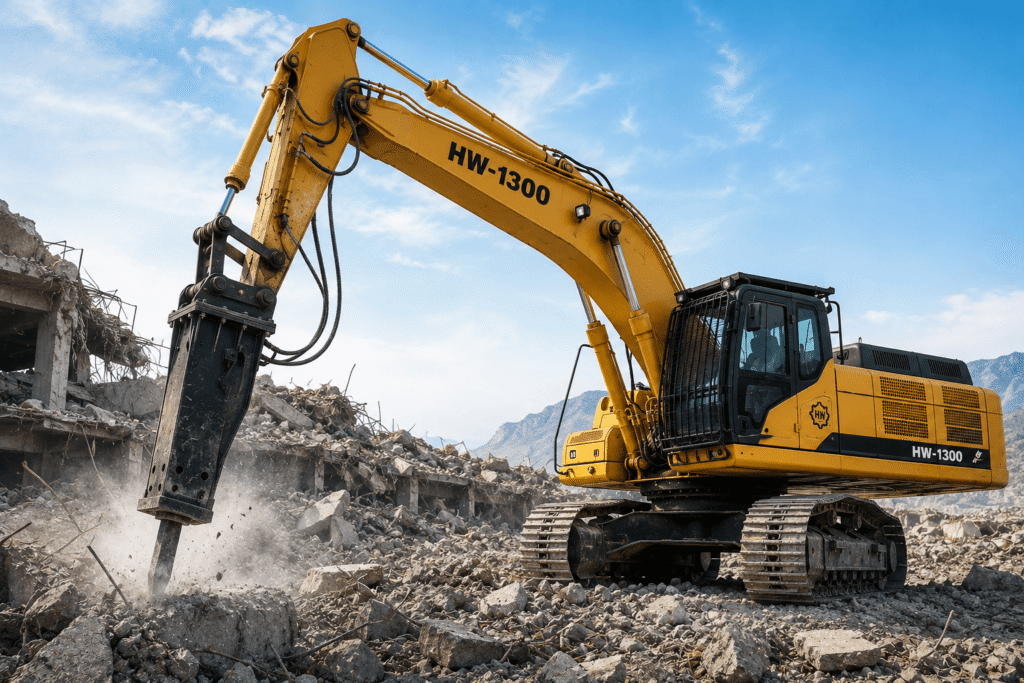
What Is a Hydraulic Breaker and How Does It Work?
A hydraulic breaker is a heavy-duty percussion hammer fitted to an excavator. It operates on the principle of Pascal’s Law using hydraulic fluid pressure. The internal piston moves rapidly to strike a tool steel bit against hard surfaces.
Nitrogen gas often assists the piston movement to increase the strike force. This combination creates high-impact energy measured in foot-pounds or Joules. Typically, operating pressures range from 100 to 180 bar depending on the model.
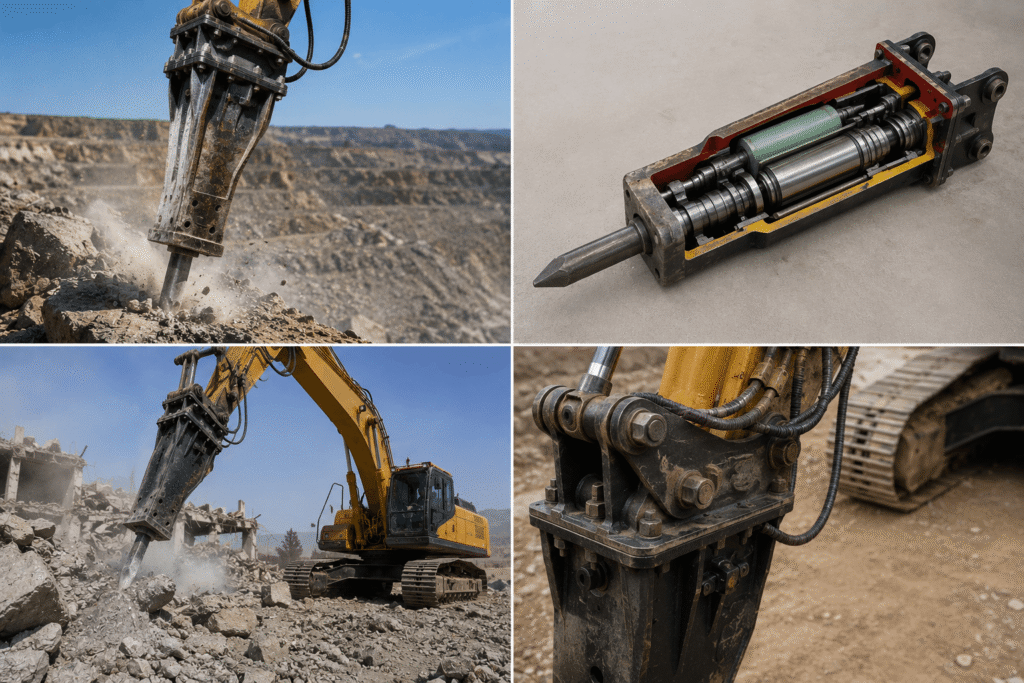
Selecting the correct breaker involves analyzing your specific project requirements. Most breakers in 2026 utilize advanced dampening systems to reduce vibration. These systems protect the excavator arm from excessive wear during prolonged use.
Technical Factors in a Hydraulic Breaker Guide
The most critical factor is matching the breaker weight to the excavator’s lifting capacity. A breaker that is too heavy will destabilize the machine. Conversely, a breaker that is too small will lack the necessary impact power.
Oil flow and operating pressure must align with the carrier’s hydraulic system. If the flow rate is too high, the breaker may overheat or sustain damage. Most medium-sized units require oil flow between 90 and 150 liters per minute.
You must also consider the impact frequency, often measured in blows per minute. High-frequency breakers are ideal for softer materials like concrete or light asphalt. For hard rock, a lower frequency with higher impact energy is far more effective.
Different Types of Hydraulic Breaker Mountings
Side-mount breakers are common in general construction and demolition projects. They offer a lower profile which is excellent for reaching into tight spaces. However, the side-mount design often places more stress on the excavator’s pins.
Top-mount breakers provide a direct line of force for vertical breaking tasks. This design is highly effective for deep trenching and foundation work in 2026. It allows for a longer reach and better power transmission through the boom.
Box-style or silenced breakers are becoming the industry standard for urban environments. These units feature a fully enclosed housing that significantly reduces noise levels. They also protect the internal components from dust and debris during heavy operation.
PRO TIP
Always ensure the breaker tool is pressed firmly against the material before firing. Failing to do so causes “blank firing,” which damages the piston and tool steel. Regular lubrication every two hours of operation will extend the life of your equipment significantly.
Daily Maintenance for Optimal Breaker Performance
Routine maintenance is the key to preventing expensive downtime on the job site. You should inspect the mounting pins and hydraulic hoses for leaks every morning. Consistent lubrication reduces friction and heat buildup within the front head assembly.
The nitrogen pressure in the back head must be checked at least once a week. Incorrect gas pressure leads to erratic striking or a complete loss of power. In 2026, many operators use digital gauges for precise nitrogen charging.
Inspect the tool bit for signs of mushrooming or excessive wear regularly. A dull tool reduces efficiency and forces the machine to work much harder. Replace the bushings when the clearance between the bit and the housing exceeds manufacturer limits.
How to Select the Right Machine for Your Breaker
Choosing the right carrier is just as important as the attachment itself. For massive mining or heavy demolition, a HW-1300 crawler excavator provides the necessary stability and hydraulic output. Its heavy frame handles the high-recoil forces generated by large-scale breakers.
If your work involves urban infrastructure or utility repairs, mobility becomes the priority. A HWL110 wheel excavator allows you to move quickly between different breaking points on a site. It offers a balance of power and agility for medium-duty tasks.
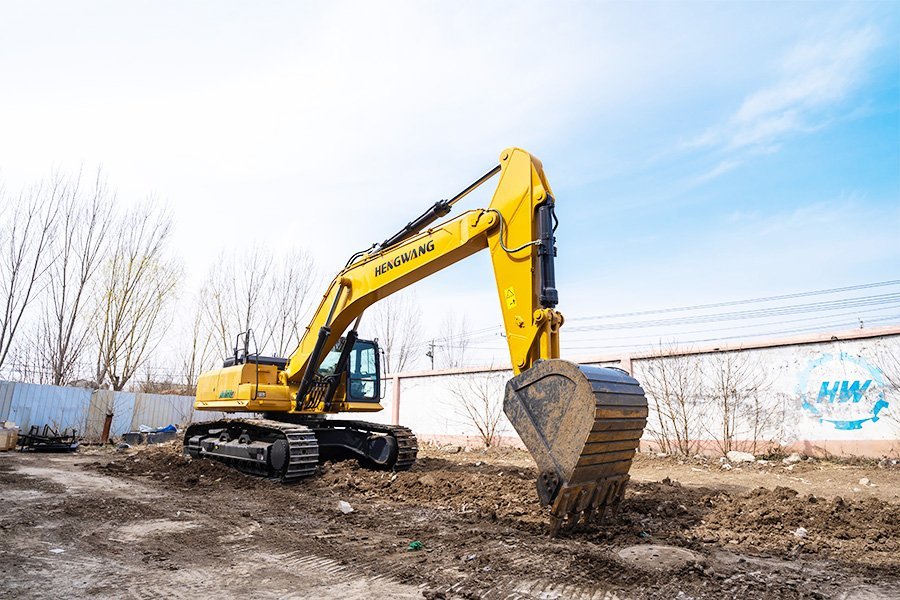
General construction projects often require a versatile machine that handles various attachments. The HW-520 crawler excavator is a popular choice for its reliability and hydraulic compatibility. It provides the steady flow required for consistent breaker performance throughout the workday.
Summary
This hydraulic breaker guide highlights the importance of matching equipment specs and maintaining strict service schedules. By 2026 standards, efficiency depends on proper oil flow and nitrogen pressure management. Choosing the right excavator-breaker combination ensures high productivity and long-term durability for any demolition project.
FAQ
How often should I grease my hydraulic breaker?
You should apply high-temperature grease every two hours of continuous operation. This ensures the bushings and tool bit remain lubricated to prevent metal-on-metal wear.
What causes a hydraulic breaker to lose impact power?
Loss of power is usually caused by low nitrogen gas pressure or internal seal leaks. You should check the gas levels and inspect the hydraulic system for pressure drops.
Can I use any hydraulic oil in my breaker?
You must use the oil grade recommended by your excavator manufacturer to ensure compatibility. Using the wrong viscosity can lead to overheating or poor lubrication within the breaker.
Is it safe to use a breaker underwater?
Standard breakers cannot be used underwater without a specialized compressed air kit. Operating a standard unit submerged will cause catastrophic damage to the piston and hydraulic system.
Reference Sources
Association of Equipment Manufacturers:https://www.aem.org/
Construction Equipment Magazine:https://www.constructionequipment.com/
International Society of Explosives Engineers:https://isee.org/
EquipmentWorld:https://www.equipmentworld.com/