Selecting the right heavy equipment is a critical decision for any construction or agricultural project. A well-chosen machine increases productivity and reduces long-term operational costs significantly. This guide explores how to choose a loader that matches your specific operational requirements. Understanding your job site needs ensures you invest in a machine that delivers maximum return on investment.
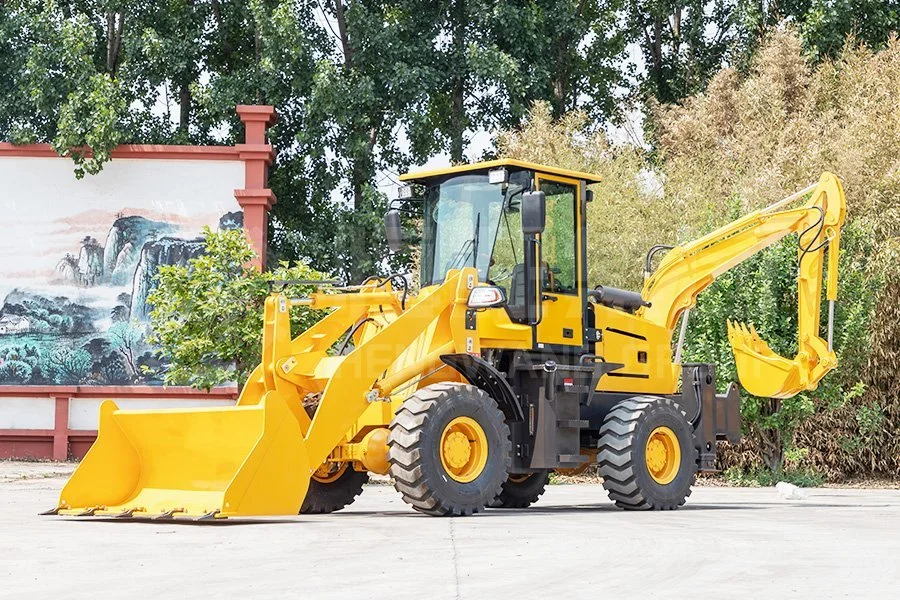
Assessing Load Capacity and Bucket Size
The first step in how to choose a loader involves analyzing your daily material handling volume. You must match the bucket capacity to the density of the materials you move most often. A bucket that is too large can lead to machine instability during operation. Conversely, a bucket that is too small increases the number of cycles required to finish a task.
Engineers recommend calculating the rated operating capacity based on the tipping load of the machine. Standard wheel loaders usually offer a tipping load range between 2,000 kg and 12,000 kg. Operating beyond 50% of the full-turn tipping load is generally considered unsafe for wheel-based machines. Refer to the table below for common material densities and recommended capacities.
| Material Type | Density ( kg/m ³) | Recommended Bucket Type |
| Dry Loose Soil | 1,200 – 1,400 | General Purpose |
| Crushed Stone | 1,600 – 1,800 | Heavy Duty / Rock |
| Dry Sand | 1,500 – 1,700 | Light Material |
| Wet Clay | 1,800 – 2,000 | High Capacity |
Evaluating Engine Power and Hydraulic Performance
Engine horsepower determines how quickly a machine can travel and push into a pile. For heavy-duty applications like mining, you need high torque at low engine speeds. Most medium-sized loaders utilize engines ranging from 75 kW to 160 kW. This power range ensures the machine can handle steep inclines while carrying full loads.
Hydraulic flow is equally important for attachment performance and cycle times. High-flow hydraulic systems allow for faster lifting and tilting of the bucket. This efficiency directly impacts your “tons per hour” productivity metrics. A hydraulic system with a flow rate of 100 to 150 liters per minute is typical for 3-ton capacity loaders.
Reliable hydraulic performance ensures smooth operation when using specialized attachments like pallet forks or snow blowers. You should check if the machine features load-sensing hydraulics. This technology adjusts power based on the load weight to save fuel. Fuel efficiency can improve by up to 15% when using advanced hydraulic management systems.
Understanding Terrain and Maneuverability
The surface conditions of your job site dictate whether you need wheels or tracks. Wheel loaders provide excellent mobility on paved surfaces and firm ground. They offer higher travel speeds, which is ideal for jobs requiring frequent relocation. Standard wheel loaders can reach travel speeds of up to 40 km/h on level roads.
If your business operates on soft mud, sand, or snow, a compact track loader might be better. Tracks distribute the machine’s weight over a larger surface area to prevent sinking. This reduces ground pressure and allows for work in inclement weather. Ground pressure for tracked loaders can be as low as 0.3 bar, compared to 2.0 bar for wheeled versions.
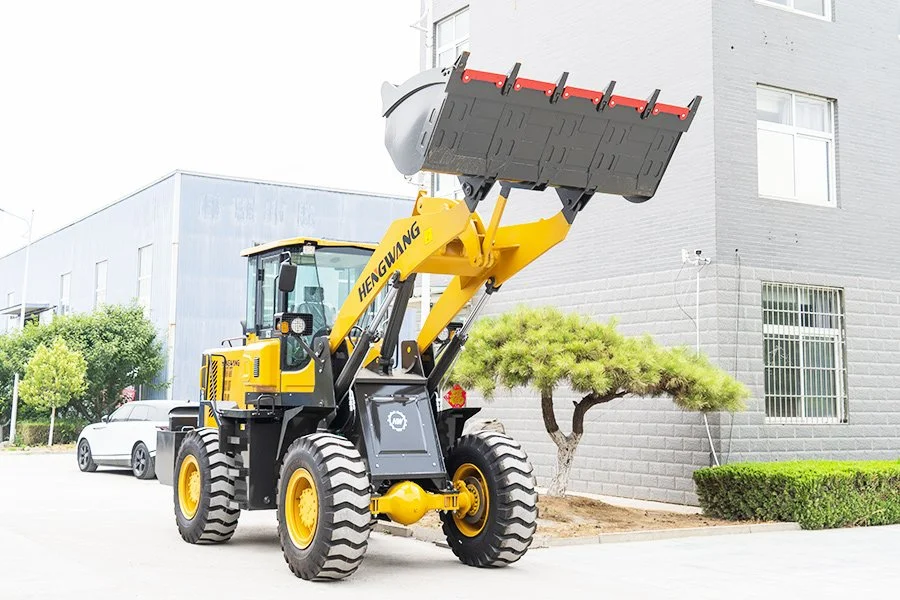
Articulated steering is another vital feature to consider for tight work environments. An articulated joint allows the front of the machine to turn independently of the rear. This design significantly reduces the turning radius in narrow warehouses or farm corridors. Small loaders often have a turning radius under 4 meters, making them perfect for urban construction.
Analyzing Total Cost of Ownership (TCO)
Initial purchase price is only one part of the financial equation when learning how to choose a loader. You must account for fuel consumption, routine maintenance, and potential resale value. Modern engines with Tier 4 or Stage V compliance offer better fuel economy but require specific DEF fluid. Maintenance costs typically account for 10% to 15% of the total TCO over the machine’s lifespan.
Access to spare parts and local service technicians is crucial for minimizing downtime. Choose a brand that uses standardized components like Cummins engines or ZF transmissions. These parts are easier to source globally and usually cost less to repair. A machine that stays operational 95% of the time is far more valuable than a cheaper, unreliable model.
Consider the resale value of the equipment after five years of heavy use. Popular brands with high-quality steel frames and reputable engines hold their value better. Well-maintained loaders can retain up to 50% of their original value after 5,000 hours of operation. Always review the warranty terms for the powertrain and hydraulic pumps before finalizing your purchase.
Choosing the Right Loader Specifications for Your Needs
Determining the ideal machine involves balancing performance with the physical constraints of your workspace. You should start by measuring the maximum dump height required to clear your highest truck or hopper. Typical dump clearances range from 2.5 meters to over 3.5 meters for standard industrial loaders. Ensure the hinge pin height exceeds your discharge target by at least 30 centimeters.
The weight of the machine also affects transportation logistics between different job sites. Heavy loaders may require special permits or heavy-duty trailers for road transport. Loaders weighing over 10,000 kg often require specialized logistics planning and higher shipping costs. Always verify that your existing fleet can tow the new equipment safely.
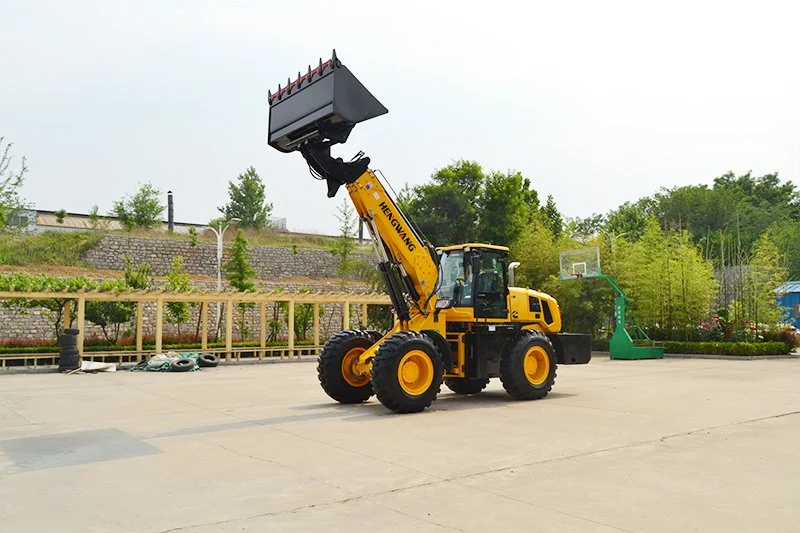
Finally, evaluate the operator’s cabin for safety and comfort features during long shifts. Features like ROPS (Roll-Over Protective Structure) and FOPS (Falling Object Protective Structure) are mandatory for safety. A quiet, air-conditioned cab reduces operator fatigue and increases overall site safety. Ergonomic controls can boost operator productivity by nearly 10% compared to older, manual lever systems.
Summary
To decide how to choose a loader, you must evaluate your material volume, terrain conditions, and long-term budget. Balancing engine power with hydraulic efficiency ensures the machine handles your specific tasks without wasting fuel. Ultimately, the right loader maximizes your operational uptime and provides a high resale value for your business.
FAQ
What is the most important factor in choosing a loader?
The most important factor is matching the rated operating capacity to your heaviest expected load. This ensures the machine remains stable and safe during every cycle on the job site.
How does bucket size affect loader performance?
Bucket size determines the volume of material moved per cycle but must stay within the machine’s weight limits. An oversized bucket can strain the engine and hydraulics, leading to premature wear and potential tipping hazards.
Are wheel loaders better than track loaders?
Wheel loaders are superior for speed and performance on hard, flat surfaces like asphalt or packed gravel. Track loaders are better for soft, uneven, or muddy terrain where traction and low ground pressure are necessary.
How do I calculate the dump height I need?
Measure the height of the tallest truck or container you plan to fill and add 30-50 cm for safety clearance. This ensures the loader can empty the bucket completely without hitting the side of the transport vehicle.
What is the average lifespan of a professional loader?
A well-maintained professional loader typically lasts between 7,000 and 12,000 operating hours. Regular oil changes and hydraulic system inspections are essential to reaching the upper end of this lifespan.
Reference Sources
Association of Equipment Manufacturers (AEM): https://www.aem.org/
Occupational Safety and Health Administration (OSHA): https://www.osha.gov/
Construction Equipment Magazine: https://www.constructionequipment.com/
Diesel Progress: https://www.dieselprogress.com/