A landscaping contractor working in a residential backyard has different equipment requirements from a utility company repairing underground pipes beside a road. Although both projects may use a mini excavator, machine width, digging depth, attachment compatibility and transport method can determine whether the equipment fits the job.
Understanding mini excavator applications helps contractors, rental companies and equipment buyers choose a machine that matches actual working conditions. Common uses include landscaping preparation, utility trenching, drainage work, small construction projects and jobs where larger excavators cannot access the site.
Mini excavator applications for residential landscaping projects
For landscaping contractors, machine access is often the first consideration. Many residential projects involve narrow gates, finished lawns, existing gardens or limited working areas where a larger excavator is difficult to operate.
A compact excavator for landscaping is commonly used for:
- Removing old landscaping materials
- Digging irrigation and drainage trenches
- Preparing areas for patios and retaining walls
- Moving soil, gravel and mulch
- Small grading and leveling work
- Removing tree roots or small stumps
Compared with manual excavation, a mini excavator can reduce labor time on repetitive digging and material-moving tasks. However, the machine still needs to match the site.
Before selecting equipment, landscaping contractors usually check:
Machine width and site access
Measure the narrowest access point before choosing a machine, including:
- Garden gates
- Side passages
- Driveways
- Pathways between buildings
A machine that fits the job site can reduce additional labor for material handling and manual excavation.
Ground protection requirements
Residential landscaping often involves finished surfaces. Contractors may consider:
- Rubber tracks
- Compact dimensions
- Smooth hydraulic controls
These features can help operators work more carefully around lawns, paving and existing plants.
Attachment requirements
Different landscaping tasks require different attachments.
Common combinations include:
| Landscaping task | Common attachment |
|---|---|
| Planting preparation | Standard bucket |
| Drainage installation | Narrow trench bucket |
| Soil leveling | Grading bucket |
| Material handling | Hydraulic thumb |
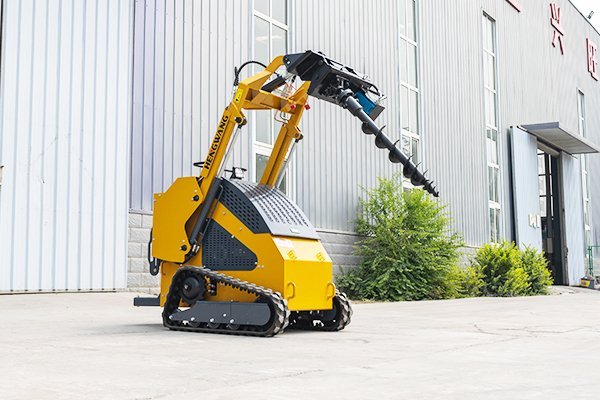
| Post hole drilling | Auger |
For contractors handling different landscaping projects, selecting a machine with flexible attachment options can improve equipment usage.
HengWang provides different excavator configurations for compact construction applications. Buyers can review the available models through the HengWang excavator product category.
Compact excavators for utility trenching and repair work
Utility projects usually have stricter requirements than general landscaping because operators often work near existing infrastructure.
Typical excavator for utility work applications include:
- Water pipe installation
- Cable trenching
- Drainage construction
- Valve box access
- Local underground repairs
For these projects, digging depth alone is not always the deciding factor. Contractors also need to consider whether the machine can operate accurately in the available space.
Before choosing a compact excavator for utility work, check:
Required trench depth
Confirm:
- Maximum digging depth
- Required reach
- Bucket size
- Soil conditions
A machine should match the actual trench requirements instead of only comparing maximum specifications.
Working environment
Utility repairs often take place near:
- Roads
- Sidewalks
- Existing buildings
- Underground services
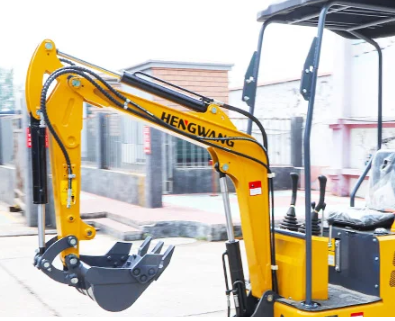
Reduced tail swing, precise controls and suitable attachments can make operation easier in restricted areas.
Attachment compatibility
Utility contractors often use:
- Trenching buckets
- Hydraulic breakers
- Augers
- Compaction attachments
Confirm hydraulic requirements and mounting systems before purchasing additional attachments.
For excavation safety information, the National Institute for Occupational Safety and Health (NIOSH) provides guidance on excavation and trench hazards:
https://www.cdc.gov/niosh/publications/numbered/2022-135.html
Mini excavators for narrow access construction sites
Many small construction and repair projects are limited by access rather than digging requirements.
Examples include:
- Backyard construction
- Urban repair projects
- Small commercial renovation work
- Sidewalk and drainage repairs
In these situations, machine dimensions can affect whether the equipment can reach the working area.
Important specifications include:
Overall machine width
Check the complete transport and operating dimensions, including:
- Track width
- Boom position
- Transportation requirements
Tail swing design
When working close to walls, fences or existing structures, reduced tail swing designs may provide more flexibility.
Operator control
Narrow-access jobs often require accurate positioning. Smooth hydraulic response and good visibility can help operators complete tasks around existing structures.
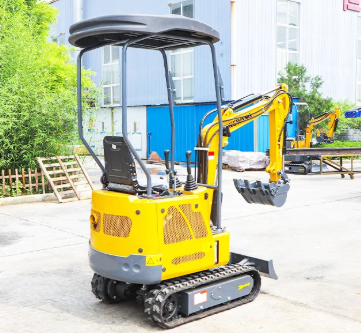
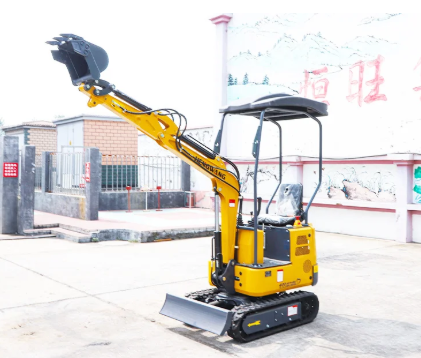
For buyers comparing compact excavator options, the HengWang HW-12 mini excavator is one example of a small excavator configuration designed for light excavation tasks and restricted working areas.
How attachments expand mini excavator applications
A mini excavator is not limited to digging. The attachment package often determines how many different jobs the machine can handle.
| Application | Recommended attachment |
|---|---|
| General excavation | Digging bucket |
| Narrow trench work | Narrow bucket |
| Soil drilling | Auger |
| Light demolition | Hydraulic breaker |
| Material handling | Hydraulic thumb |
| Ground preparation | Compaction attachment |
When purchasing attachments, buyers should confirm:
- Hydraulic flow requirements
- Attachment mounting method
- Machine lifting capacity
- Compatibility with future equipment needs
For rental fleets, a standardized attachment system can make it easier to serve different customers without maintaining too many machine variations.
What buyers should check before purchasing a mini excavator
A common mistake is choosing equipment only by engine power or digging depth. For many compact excavation projects, transportation, access and attachment options have a direct impact on daily productivity.
Before contacting a supplier, prepare the following information:
Project conditions
Record:
- Typical working area
- Access width
- Soil conditions
- Average digging depth
- Expected working hours
Machine requirements
Compare:
- Operating weight
- Machine dimensions
- Maximum digging depth
- Hydraulic capacity
- Attachment options
Supplier support
For overseas buyers and dealers, also check:
- Spare parts availability
- Technical documentation
- Warranty terms
- Export experience
- After-sales communication
This information allows suppliers to recommend configurations based on actual project requirements instead of general machine categories.
Choosing a mini excavator for different job requirements
Different contractors usually focus on different machine characteristics.
| Job type | Main selection factors |
|---|---|
| Residential landscaping | Compact size, easy transport, attachment flexibility |
| Utility trenching | Digging depth, control accuracy, bucket options |
| Urban repair work | Narrow width, reduced tail swing, maneuverability |
| Rental fleet operation | Reliability, simple maintenance, attachment compatibility |
The best machine choice depends on the type of work performed most frequently. Contractors handling several small projects should focus on versatility, while specialized operators may prioritize specific digging performance.
FAQ
What are the most common mini excavator applications?
Mini excavator applications include landscaping, utility trenching, drainage installation, small demolition, material handling and narrow-access construction projects.
Is a mini excavator suitable for utility work?
Yes. Mini excavators are commonly used for smaller utility projects such as pipe installation, cable trenches and repair work. Buyers should confirm digging depth, machine dimensions and attachment compatibility before selection.
What should landscapers consider when buying a compact excavator?
Landscaping contractors usually compare machine width, transport requirements, ground protection, digging capability and attachment options before choosing equipment.
Can a mini excavator work in narrow areas?
Many compact excavators are designed for restricted access jobs. Buyers should check machine width, tail swing design and operating dimensions before purchasing.
Which attachments are most useful for mini excavators?
Common attachments include buckets, augers, hydraulic thumbs, breakers and compaction tools. The correct combination depends on the contractor’s regular workload.
What information should buyers provide when requesting a quotation?
Prepare site access measurements, typical tasks, required digging depth, preferred attachments and transportation conditions. This helps suppliers recommend suitable machine configurations.