Understanding drilling rig price is an important part of planning a purchase, tender, or drilling project. However, there is no single price that applies to every rig. The final quotation depends on the drilling depth, hole diameter, machine configuration, power system, tooling, transport requirements, and support package.
For buyers comparing suppliers, the better approach is to look beyond the initial machine price and compare the complete equipment scope and expected landed cost.
Why Does Drilling Rig Price Vary?
A drilling rig designed for a shallow water well will have very different specifications from one intended for geological exploration or deeper drilling.
The main factors affecting the quotation usually include:
- Drilling capacity: Maximum drilling depth, hole diameter, drilling angle, and applicable formations.
- Power system: Engine power, hydraulic system, and fuel requirements.
- Rig configuration: Crawler, truck-mounted, skid-mounted, or other transport configurations.
- Drilling method: Different applications may require hydraulic, pneumatic, DTH, rotary, or core drilling systems.
- Attachments and tooling: Drill pipes, bits, mud pumps, air systems, casings, and other accessories can change the total cost.
- Transport requirements: Machine dimensions and weight affect loading, shipping, and destination handling.
- After-sales package: Spare parts, operator training, warranty terms, and technical support may also be included in the quotation.
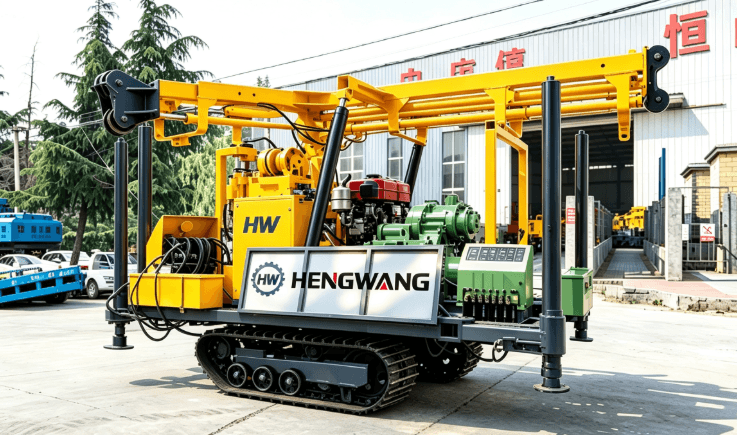
For example, HengWang’s HW-190L Hydraulic Drilling Rig has a listed drilling depth of 190 m and drilling diameter range of 75–500 mm, while the XY-3 Hydraulic Drilling Rig is listed with a drilling depth of up to 600 m. These differences in capacity and configuration are one reason buyers should not compare drilling rig prices based only on the model name or headline quotation.
What Should Be Included in a Drilling Rig RFQ?
If you want comparable quotes from different suppliers, give each supplier the same technical information.
A practical RFQ should include:
- Required drilling depth
- Hole diameter and final hole diameter
- Soil, rock, or geological conditions
- Expected drilling method
- Required drilling angle
- Site access and terrain conditions
- Preferred power or fuel system
- Required drill pipes, bits, pumps, or other accessories
- Destination port or delivery location
- Required delivery date
- Warranty and spare-parts requirements
It is also useful to specify the preferred Incoterm. Incoterms® rules define commonly used responsibilities, costs, and risks between buyers and sellers in international trade.
For international machinery purchases, comparing one supplier’s FOB quotation with another supplier’s CIF or DDP quotation can otherwise give a misleading impression of which offer is cheaper.
Compare the Complete Cost, Not Just the Machine Price
A low initial quotation does not necessarily mean a lower overall purchasing cost.
When reviewing a drilling rig quotation, separate the following items:
| Cost item | What to check |
|---|---|
| Base rig | Model, engine, drilling capacity and standard configuration |
| Optional equipment | Which accessories are included or excluded? |
| Drill tooling | Pipes, bits, casings, pumps and related equipment |
| Shipping | Freight, loading and destination handling |
| Taxes and duties | Import duties, VAT or local taxes |
| Spare parts | Recommended starter parts and consumables |
| Training | Operator training and technical documentation |
| Warranty | Coverage period and supplier responsibilities |
This approach makes it easier to identify why two apparently similar drilling rigs have different prices.
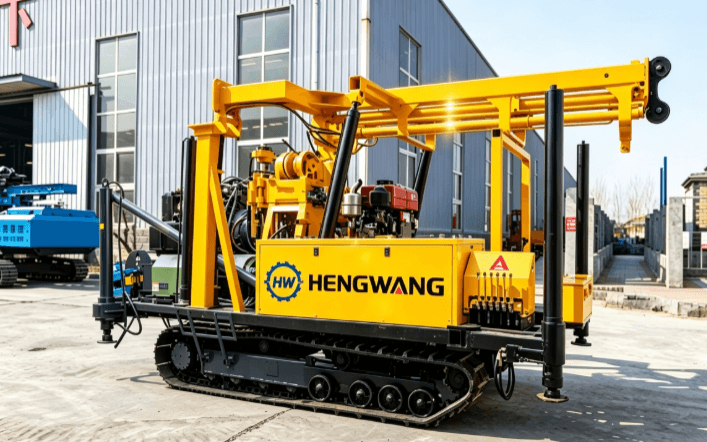
For buyers looking for a compact hydraulic option, for example, the HW-160L Hydraulic Drilling Rig is listed with a 160 m drilling depth and 75–325 mm drilling diameter range. Buyers with deeper drilling requirements may instead need to evaluate larger models such as the XY-8 Hydraulic Drilling Rig, which is listed with drilling depths up to 3,000 m depending on drill pipe and configuration.
The right comparison therefore starts with the required drilling performance, rather than simply looking for the lowest price.
Which Type of Drilling Rig Do You Need?
The application should guide the initial model selection.
For example:
- Water well drilling: Hydraulic or pneumatic drilling rigs may be considered depending on depth, formation, and drilling method.
- Geological exploration: Core drilling rigs may be more appropriate where core samples are required.
- Mining and quarrying: DTH drilling rigs can be considered for applications involving hard rock and blast-hole drilling.
- Directional drilling: Horizontal directional drilling rigs are designed for specific underground utility and infrastructure applications.
HengWang offers several drilling rig categories, including hydraulic drilling rigs, pneumatic drilling rigs, geological exploration drill rigs and horizontal directional drilling rigs.
For example, the HW936 Integrated DTH Surface Drill Rig is designed for blast-hole drilling and is listed with a 90–115 mm drilling diameter range. Its application and configuration are therefore quite different from a small hydraulic water well rig.
How to Compare Drilling Rig Suppliers
Once you have received several quotations, put the offers into the same comparison format.
Check:
- Are the drilling depth and diameter specifications comparable?
- Are the same accessories included?
- Are shipping terms the same?
- Are warranty and spare-parts terms comparable?
- Is operator training included?
- Are the quoted specifications suitable for the actual site conditions?
- Can the supplier provide technical documentation and support?
For drilling projects, equipment selection should also account for operating procedures and site safety requirements. OSHA’s drilling guidance, for example, highlights areas such as rig setup, drilling operations, maintenance, and task-specific safety training.
This is particularly relevant when purchasing equipment for an overseas project where local operating requirements may differ.
How to Get an Accurate Drilling Rig Price
Instead of asking a supplier only:
“How much is this drilling rig?”
send the supplier your basic project requirements and ask for a detailed quotation.
A useful RFQ can request:
- Recommended rig model
- Machine price
- Standard configuration
- Optional equipment
- Drill pipes and tooling
- Shipping terms
- Estimated lead time
- Warranty terms
- Spare-parts recommendations
- Operator or technical training
- Available customization
This gives the supplier enough information to recommend a suitable configuration instead of providing a generic price.
If you are still comparing models, you can browse HengWang’s drilling rig range and identify the type of rig that matches your application.
Request a Drilling Rig Quote
The most useful drilling rig price is the one based on your actual drilling requirements, configuration, and delivery destination.
If you already know the required drilling depth, diameter, application, and destination, send these details to HengWang when requesting a quotation. The supplier can then recommend a suitable model and provide the corresponding configuration and pricing.
Contact HengWang for a drilling rig quotation and include your project requirements to help the sales team prepare a more relevant offer.
Frequently Asked Questions
What affects drilling rig price the most?
Drilling depth, hole diameter, drilling method, power system, machine configuration, tooling, and transport requirements are among the main factors. The final quotation can also change depending on accessories, spare parts, and delivery terms.
Should I choose a drilling rig based on price alone?
Usually, no. A lower-priced rig may have a different drilling capacity or fewer accessories. Compare the complete equipment scope and expected operating requirements before making a decision.
How can I get a more accurate drilling rig quotation?
Provide the supplier with your required drilling depth, hole diameter, geological conditions, application, destination, and required accessories. More specific project information generally makes supplier quotations easier to compare.
Does HengWang offer different types of drilling rigs?
Yes. HengWang’s drilling rig range includes hydraulic, pneumatic, geological exploration, DTH, and horizontal directional drilling equipment. Buyers can review the drilling rig product range and contact the supplier for model recommendations and quotations.