Choosing the right bulldozer requires matching the machine’s undercarriage, operating weight, and blade type to the specific terrain and material of your project. For soft ground, select a crawler dozer with low ground pressure. For hard surfaces, choose a wheel dozer. Ensure engine power aligns with the required drawbar pull.
A bulldozer is a heavy earthmoving machine engineered to generate high tractive force for short-distance material pushing, grading, and ripping. While dozers are versatile, specifying equipment without analyzing job-site conditions leads to severe operational inefficiencies. Selecting a machine with inadequate operating weight causes track slippage, while choosing the wrong undercarriage configuration dramatically accelerates wear, driving up maintenance costs.
Contractors, fleet managers, and buyers must evaluate multiple variables—including ground pressure limits, slope gradients, material density, and transport logistics—before procuring a machine. This guide breaks down the critical technical factors required to make an accurate equipment selection.
1. Evaluate the Terrain: Crawler vs. Wheel Dozers
The first step in any dozer selection guide is analyzing the ground conditions. The undercarriage determines the machine’s traction, travel speed, and long-term maintenance expenses.
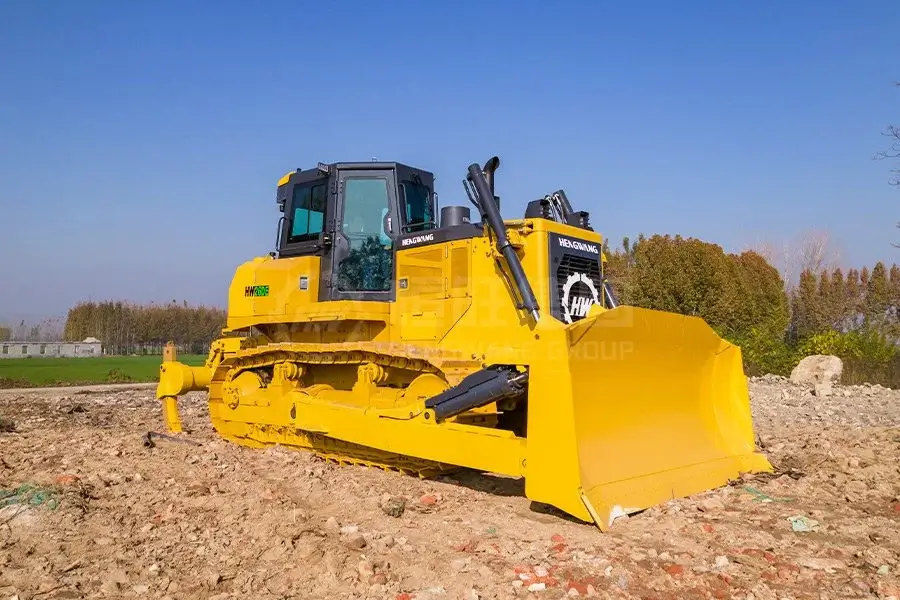
Crawler Bulldozers (Tracked Dozers)
Crawler dozers distribute their immense operating weight across continuous steel tracks. This large contact area significantly lowers ground pressure, allowing the machine to float on soft, muddy, or sandy terrain without sinking.
- Traction and Drawbar Pull: The grousers (the raised ridges on track shoes) bite into the soil to provide maximum traction. This physical grip is mandatory for heavy ripping, stumping, or pushing wet clay.
- Slope Stability: A low center of gravity combined with aggressive track grip allows crawler dozers to operate securely on steep gradients. Operators should always grade up and down slopes, avoiding sideways operation to prevent sideslipping and maintain engine lubrication angles.
- Track Variations: Standard tracks are designed for firm earth. Low Ground Pressure (LGP) tracks utilize wider shoes and longer track frames to further reduce pounds per square inch (PSI) when working in swamps or bogs. Extreme Service tracks feature thicker plates for highly abrasive rock environments.
- Limitation: Crawler dozers are slow, typically traveling between 5 and 10 km/h. Steel tracks also destroy paved roads, finished concrete, and turf.
Wheel Dozers
Wheel dozers operate on four heavy-duty rubber tires. They prioritize mobility and speed over raw pushing force.
- Travel Speed: Capable of reaching 20 to 30 km/h, wheel dozers travel up to four times faster than tracked models. This makes them highly efficient on sprawling mining sites or highway projects where the machine must frequently relocate across long distances.
- Surface Protection: Rubber tires do not tear up asphalt, compacted haul roads, or finished grading surfaces.
- Fuel Efficiency: On hard, compacted ground, tires experience lower rolling resistance than steel track chains, resulting in reduced fuel consumption during transit.
- Limitation: Wheel dozers struggle in mud and loose, unstructured soil. Because tires have a smaller ground contact patch, the machine sinks easily. Attempting heavy pushing in mud results in wheel spin, which rapidly shreds tire tread without moving material.
| Feature | Crawler Dozer | Wheel Dozer |
| Ground Pressure | Low (distributes weight widely) | High (concentrated on four tires) |
| Max Travel Speed | 5 – 10 km/h | 20 – 30 km/h |
| Primary Terrain | Mud, sand, steep slopes, uneven ground | Hard rock, compacted soil, pavement |
| Tractive Force | Maximum pushing and ripping power | Moderate pushing power |
| Maintenance Cost | High (frequent undercarriage wear) | Lower (tire replacement and rotation) |
2. Calculate Required Operating Weight and Drawbar Pull
Engine horsepower alone does not determine a bulldozer’s capability. The actual pushing force a machine can exert on a load is called drawbar pull. Generating high drawbar pull requires mass. If a dozer is too light, high horsepower will only cause the tracks to slip. The machine’s operating weight must provide enough friction against the ground to utilize the engine’s torque.
Bulldozer Size Chart and Classifications
- Mini and Compact Dozers: Weighing under 20,000 lbs (9 metric tons) and producing 70 to 100 horsepower. These machines feature a narrow track gauge and short track on the ground, making them highly maneuverable. They are ideal for residential construction, driveway grading, and backfilling trenches in confined spaces.
- Medium Dozers: Ranging from 20,000 to 60,000 lbs (9 to 27 metric tons) with 100 to 250 horsepower. This class handles the majority of general construction work, including highway site preparation, commercial land clearing, and rough grading. They offer a balance of high production rates and manageable transport dimensions.
- Large and Mining Dozers: Weighing from 60,000 lbs to over 200,000 lbs. These heavy machines are built for bulk earthmoving, open-pit mining, and quarry overburden removal. An extreme example is the Komatsu D575A-3 SD, which weighs 152.6 metric tons and delivers 1,150 horsepower to handle massive blade capacities. (The largest ever built, the ACCO Super Bulldozer, weighed 183 tons, though it never entered commercial service).
3. Select the Correct Bulldozer Blade Type
The blade dictates how the machine interacts with the material. A mismatch between the blade profile and the target material severely reduces the machine’s efficiency and increases fuel consumption per cubic yard moved.
- Straight Blade (S-Blade): A short, flat blade without side wings. It does not contain loose material well but provides excellent digging penetration into dense, hardpack dirt. It is heavily utilized for stumping, ditching, and removing dense topsoil.
- Universal Blade (U-Blade): Features a tall profile with large side wings that curve forward. The wings contain loose material—such as sand, gravel, or fractured rock—preventing it from spilling over the edges during long-distance pushes. U-blades handle massive volumes but are entirely unsuitable for precision grading.
- Semi-Universal Blade (SU-Blade): A hybrid design with a slight curve and smaller side wings. It offers better ground penetration than a U-blade and better material retention than an S-blade. This is the standard choice for general road construction and mixed-material handling.
- Power-Angle-Tilt Blade (PAT Blade): Mounted on a specialized hydraulic frame, the PAT blade can angle left or right, tilt up or down, and raise or lower via a cabin joystick. This versatility allows operators to perform highly precise contouring, crown roads, and backfill trenches efficiently. It is most commonly equipped on mini and medium dozers.
| Blade Type | Profile | Primary Applications | Best Material |
| S-Blade | Flat, no wings | Fine grading, stumping, ditching | High-density soil, hardpack |
| U-Blade | Tall, large curved wings | Stockpiling, bulk long-distance pushing | Loose sand, gravel, light soil |
| SU-Blade | Slight curve, small wings | Rough grading, heavy material pushing | Mixed earth, fractured rock |
| PAT Blade | Hydraulically adjustable | Contouring, leveling, backfilling | General soil, residential dirt |
4. Assess Powertrain and Final Drive Configurations
Buyers must evaluate how engine power is transmitted to the tracks. The drivetrain impacts the operator’s control over the blade and the machine’s durability in harsh environments.
Hydrostatic vs. Torque Converter Drives
- Hydrostatic Transmissions: Common in compact and medium dozers, hydrostatic systems use hydraulic pumps and motors to drive each track independently. This allows the operator to maintain full power to both tracks during a turn (known as power turning). This precise speed control is critical when performing final grading with a PAT blade.
- Torque Converters / Mechanical Drives: Predominantly used in large, heavy-duty dozers. While they lack the millimeter-precision control of hydrostatic systems, mechanical drives are highly efficient at transferring massive torque to the ground for brute-force ripping and pushing.
Elevated Sprocket vs. Oval Track Design
The final drive is the last set of gears that reduces rotational speed and multiplies torque before power reaches the tracks.
- Oval Track (Low Drive): The traditional configuration where the drive sprocket sits close to the ground. It provides a lower center of gravity, resulting in excellent stability on steep inclines.
- Elevated Sprocket (High Drive): Designed to isolate the final drive from impact loads. By raising the sprocket above the mud and debris line, the planetary gears are protected from the physical shock of driving over boulders. This modular design also allows technicians to pull the transmission without breaking the track chain.
5. Specify Rippers and Rear Attachments
Pushing material is only half of the earthmoving equation. If the site consists of compacted clay, frozen soil, or solid rock seams, a blade cannot penetrate it efficiently. Attempting to force a blade into solid rock causes extreme structural stress to the lift cylinders.
- Single-Shank Ripper: A heavy-duty steel claw hydraulically driven deep into the ground. It concentrates the machine’s entire tractive force into a single point to fracture hard rock seams and deeply frozen earth.
- Multi-Shank Ripper: Usually featuring three shanks, this attachment covers a wider area per pass but penetrates less deeply. It is used to loosen moderately compacted materials like clay or fractured shale before the blade pushes it.
- Winches: Mounted on the rear for forestry, pipeline construction, or vehicle recovery operations, hydraulic winches allow the dozer to pull heavy logs or extract bogged equipment from mud.
Pre-ripping the ground reduces the resistance the blade faces. This lowers overall fuel consumption and prevents excessive wear on the blade’s cutting edges.
6. Budget for Undercarriage Maintenance Costs
When choosing a tracked bulldozer, buyers must account for future replacement cycles. The undercarriage can represent up to 50% of the machine’s total lifetime maintenance costs. Pins, bushings, track rollers, idlers, and sprockets operate continuously under extreme tension in abrasive environments.
A full undercarriage rebuild on a medium construction dozer can range from $10,000 to $20,000, while mining-class tracks often exceed $50,000.
Maintenance Factors in Selection:
- Track Shoe Width: Never select a wider track shoe than absolutely necessary. While wider shoes lower ground pressure, they increase the leverage and twisting forces acting on the track pins when maneuvering over hard or rocky surfaces. This accelerates pin and bushing wear.
- Abrasive Environments: If operating in high-silica sand or blasted rock, specify heavy-duty Sealed and Lubricated Tracks (SALT). The internal lubricant reduces internal pin friction, extending the life of the chain.
7. Consider Transport Dimensions and Site Access
A machine’s operating weight and physical dimensions dictate mobilization costs.
Heavy equipment requires specialized low-boy transport trailers. Depending on regional transport regulations, moving a dozer over 80,000 lbs generally requires wide-load permits, escort vehicles, and specific travel hour restrictions. In extreme cases with large mining dozers, the blade and ripper must be physically detached before highway transport, requiring additional labor and a crane at the job site.
If a contractor’s project portfolio involves moving the machine between different residential sites every few days, a medium dozer or a highly mobile wheel dozer yields a higher return on investment by minimizing transport downtime and permit costs.
8. When to Choose Alternative Earthmoving Equipment
A common procurement error is purchasing a bulldozer when another machine is physically better suited for the primary application. Evaluate these alternatives before finalizing your decision:
- Bulldozer vs. Excavator: A dozer pushes material; it does not lift or excavate deep trenches. For removing large tree stumps, an excavator is superior. An excavator can dig around the root ball and use its breakout force to pry the stump upward, whereas a dozer must rely entirely on brute pushing force.
- Bulldozer vs. Landfill Compactor: Dozers are useful for spreading garbage and covering daily fill. However, purpose-built landfill compactors achieve up to 30% higher waste density and use significantly less fuel for compaction. If maximizing landfill airspace is the goal, a dedicated compactor is required.
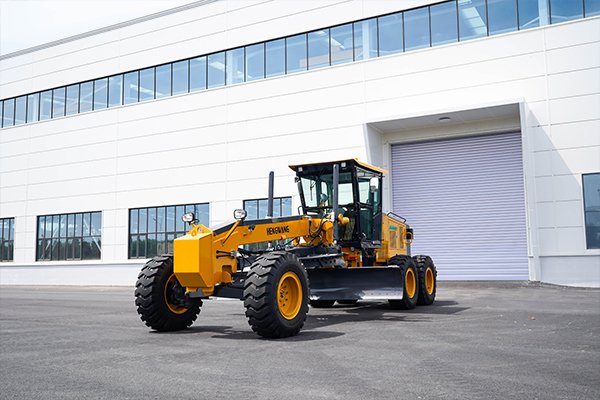
- Bulldozer vs. Motor Grader: While a dozer with a PAT blade can grade an area, it cannot match the millimeter-level precision of a motor grader for finishing roads or preparing sub-bases for asphalt.
- Bulldozer vs. Wheel Loader: If the material needs to be moved across a site and loaded into dump trucks (load-and-carry operations), a wheel loader is required. Dozers cannot load trucks.
9.Final Selection Framework
Procuring the correct bulldozer requires balancing immediate site demands with long-term operating costs. A bulldozer is most effective when a project demands high traction and short-distance material displacement.
To maximize equipment ROI, first evaluate the terrain to choose between tracks or wheels. Next, calculate the required pushing volume to specify the correct operating weight and blade type. Finally, ensure the machine’s dimensions align with your transport capabilities and budget for ongoing undercarriage maintenance.
For projects requiring heavy-duty earthmoving, reviewing the specifications of available bulldozer models helps align machine capabilities with site demands.
FAQ
Q: What size bulldozer do I need for general construction?
A: Medium crawler dozers weighing between 20,000 and 60,000 pounds (9 to 27 metric tons) are the most common for general construction. They provide a balance of sufficient drawbar pull for heavy earthmoving and manageable transport dimensions, allowing them to be moved between sites without extreme oversize load permits.
Q: How does track shoe width affect bulldozer maintenance?
A: Wider track shoes reduce ground pressure, improving flotation on mud and soft terrain. However, they increase leverage on track pins and bushings when turning on hard or rocky surfaces. Operators should always select the narrowest shoe that provides adequate flotation to prevent premature undercarriage failure.
Q: When should I choose a wheel dozer over a crawler dozer?
A: Choose a wheel dozer when the project requires frequent travel across long distances on hard, compacted surfaces or paved roads. Wheel dozers travel up to four times faster than crawler models and cause significantly less surface damage, but they lack the traction required for operating in deep mud or steep slopes.
Q: What is the difference between a U-blade and a PAT blade?
A: A Universal (U) blade has large side wings to hold high volumes of loose material for straight-line pushing and stockpiling. A Power-Angle-Tilt (PAT) blade is hydraulically adjustable in multiple directions, making it ideal for precision grading, leveling, and shaping. However, a PAT blade holds much less material than a U-blade.
Q: Can a bulldozer be used to remove tree stumps?
A: Yes, a bulldozer can remove stumps by using a ripper to break the surrounding soil and the blade to push the stump over. However, an excavator is generally more efficient for this task, as it can dig beneath the roots and apply upward lifting leverage.
Reference
D575A-3 Super Dozer Specifications:Komatsu Europe (Official Manufacturer Archive)
The Discipline of Undercarriage Management:Construction Equipment Magazine
Acco super bulldozer historical records:Mining Mayhem / Engineering Archives