Professional industrial operations require a reliable and continuous supply of compressed air. Screw air compressors have become the industry standard for applications needing a 100% duty cycle. These machines provide consistent pressure and high flow rates compared to traditional reciprocating models. They are designed for long-term durability in demanding environments like construction, manufacturing, and mining. This guide explains why these units are essential for your business and how to select the right equipment.
What is a screw air compressor and why is it preferred by professionals? A screw air compressor is a positive-displacement machine that uses a rotary mechanism. It replaces the pistons found in older compressors with two intermeshing helical rotors. These rotors spin in opposite directions to trap and compress air within the housing. Professionals choose this technology because it operates with minimal vibration and noise. It also handles continuous operation without the overheating issues common in smaller units.
Understanding how does a screw air compressor work is vital for maintenance and procurement. The process begins when air enters the intake valve and moves into the rotor chambers. As the twin screws rotate, the space between the lobes decreases. This action reduces the volume of the air, effectively increasing its pressure. Most industrial units use oil-injected designs where oil seals the gaps between the rotors. This oil also cools the air during the compression phase. The air-oil mixture then passes through a separator before the clean, high-pressure air exits the system.
Key Performance Standards for Professional Operations
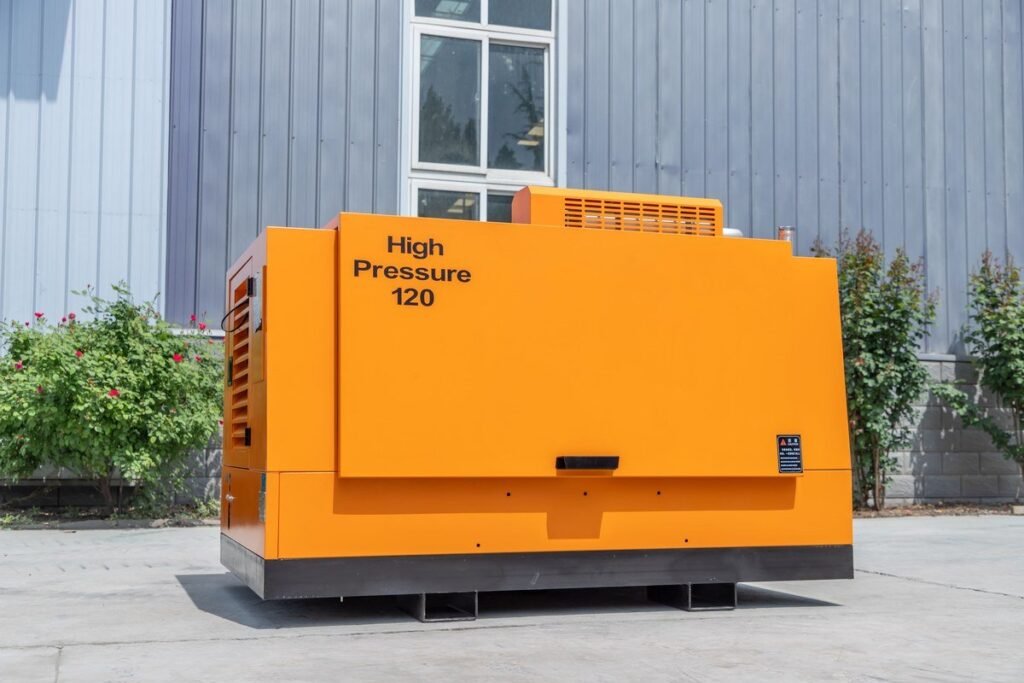
Reliability is the primary metric for any professional-grade compressed air system. Screw air compressors are engineered to run 24 hours a day without performance degradation. Unlike piston compressors that require frequent cooling breaks, rotary screw models utilize advanced thermal management. Most units maintain an operating temperature between 80°C and 100°C. This range prevents moisture condensation within the oil system while ensuring mechanical longevity.
Data from the Compressed Air and Gas Institute (CAGI) highlights the efficiency of these systems. Modern rotary screw units can achieve an energy efficiency rating of 90% or higher. This high efficiency translates to lower electricity costs over the machine’s lifecycle. Typically, energy represents about 75% of the total cost of owning a compressor. Choosing a high-efficiency model can reduce annual energy consumption by 20% to 30%.
Pressure stability is another critical factor for professional tools and machinery. Most industrial screw air compressors provide a steady pressure of 8 bar (0.8 MPa) or 10 bar (1.0 MPa). A stable 8-bar output ensures that pneumatic tools operate at their peak design performance. Variations in pressure can lead to tool wear and inconsistent production quality. Rotary screw technology minimizes these fluctuations through precise electronic control systems.
Identifying Quality Screw Air Compressor Manufacturers
Finding the right screw air compressor manufacturers requires looking beyond the initial purchase price. Leading manufacturers invest heavily in the precision of the rotor profiles. The “air end” is the most expensive part of the machine. It must be machined to tolerances within microns to ensure maximum airtightness and efficiency. High-quality manufacturers often provide extensive testing data and ISO certifications to prove their engineering standards.
A reputable manufacturer also focuses on the accessibility of internal components. Maintenance is a significant part of the total cost of ownership. Professional-grade machines feature swing-out doors or removable panels for easy filter and oil changes. You should look for manufacturers that use standardized parts for valves and sensors. This practice ensures that you can find replacement parts quickly, reducing potential downtime in your facility.
Global screw air compressor manufacturers often offer different drive types for various needs. Direct-drive models connect the motor and air end via a coupling for maximum power transfer. Belt-drive models offer more flexibility in speed adjustment and are generally easier to repair. Understanding these manufacturing nuances helps you align the equipment with your specific site requirements.
How to Select Reliable Screw Air Compressor Suppliers
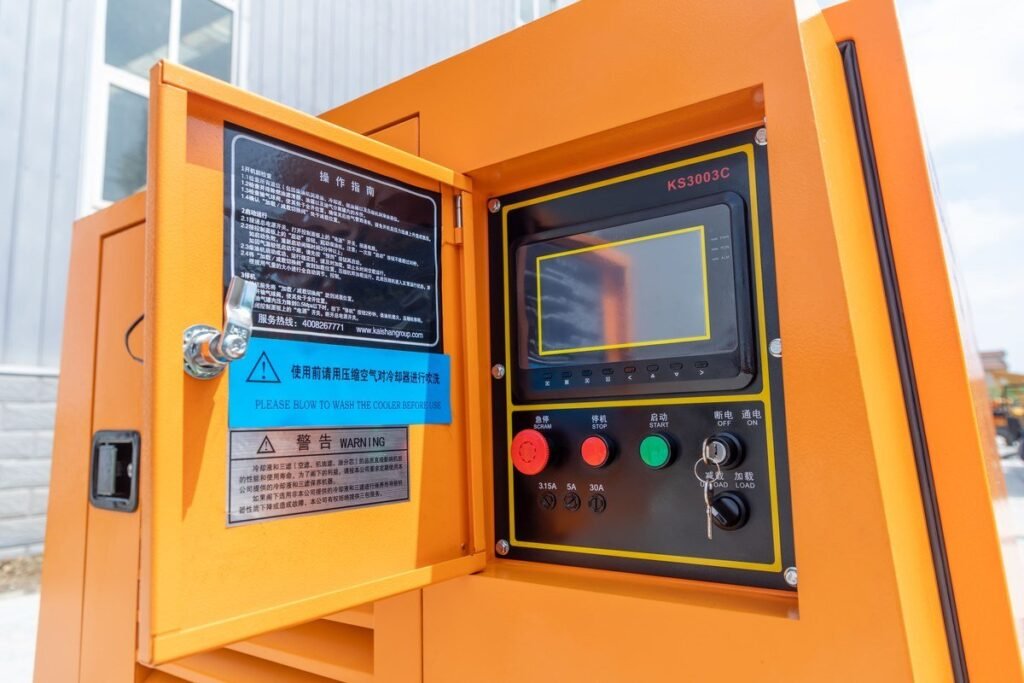
Choosing between various screw air compressor suppliers involves evaluating their technical support and inventory. A supplier is your primary contact for installation, commissioning, and long-term service. Reliable suppliers do more than just ship a box; they provide air audits to determine your actual CFM (Cubic Feet per Minute) requirements. This ensures you do not purchase a unit that is either underpowered or wastefully oversized.
Professional screw air compressor suppliers should maintain a robust stock of consumables. Filters, separators, and specialized lubricants are essential for keeping the machine running. If a supplier cannot guarantee the availability of these parts, your operation is at risk. Always ask about their lead times for critical components like the motor or the electronic controller.
Transaction transparency is a hallmark of a professional supplier. They should provide detailed technical specifications, including noise levels measured in decibels (dB). Most quality screw units operate between 62 dB and 75 dB. This is significantly quieter than reciprocating units, which often exceed 85 dB. A good supplier will help you understand how these noise levels impact your workplace safety and installation location.
Technical Specifications and Duty Cycles
The “duty cycle” is the amount of time a compressor can run compared to its off-time. Screw air compressors feature a 100% duty cycle, meaning they never need to stop for cooling. This is essential for automated assembly lines and continuous mining operations. In contrast, most piston compressors have a duty cycle of only 50% to 60%. If you exceed that limit, the unit will suffer catastrophic mechanical failure.
Power ratings for these machines generally range from 7.5 kW (10 hp) to over 250 kW. For many mobile or small-scale industrial tasks, a 7.5 kW to 11 kW unit is the standard choice. These units provide a flow rate of approximately 1.0 to 1.6 m³/min at 8 bar pressure. This capacity is sufficient to power multiple pneumatic grinders, drills, or a medium-sized sandblasting cabinet simultaneously.
Rotary screw systems also feature advanced air-cooling or water-cooling options. Air-cooled units are common in most industrial settings due to their simpler installation. They use large fans to blow air over a radiator-style heat exchanger. This design is highly effective if the ambient temperature remains below 40°C. For extremely hot environments, water-cooled systems provide more consistent thermal regulation for the air end.
Selecting the Right Model for Your Project
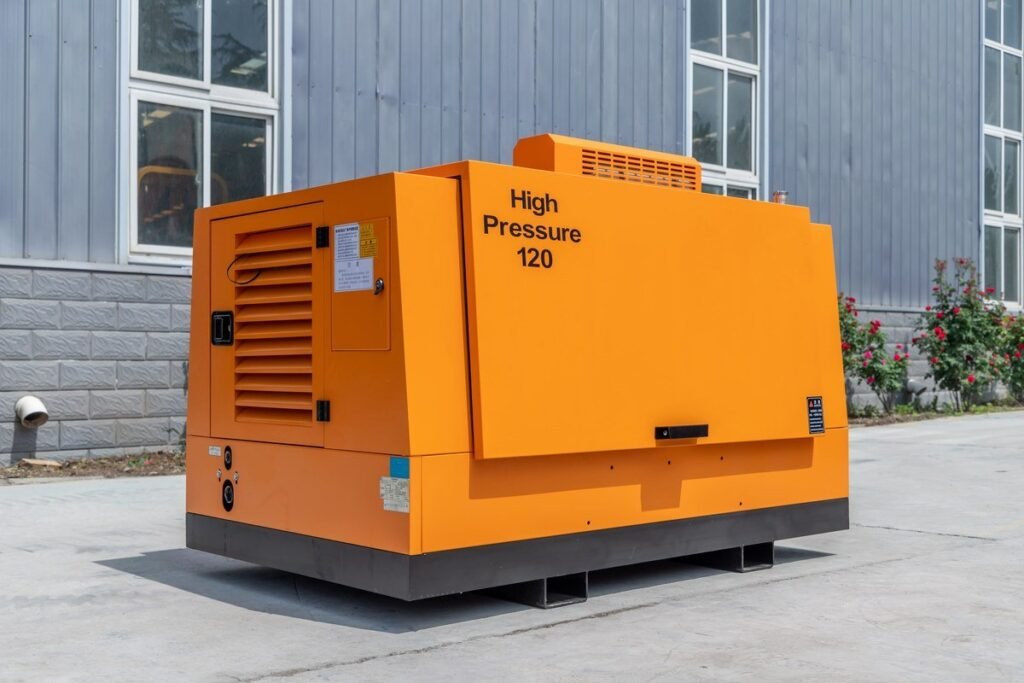
When deciding on a specific unit, you must match the pressure and flow to your highest-demand tool. For example, the HW-10-8 screw air compressor is designed for high-efficiency output at 8 bar pressure. This specific pressure level is ideal for the majority of industrial pneumatic tools used in construction. Choosing a model with a dedicated focus on the 0.8 MPa range ensures that the motor is not overloaded.
You should also consider the portability and footprint of the machine. Some units are skid-mounted for permanent installation in a factory. Others are designed with integrated tanks or wheels for use at various job sites. A compact design allows for easier placement in crowded engine rooms or mobile service trucks. Ensure the model you choose fits within your available space while still allowing for 360-degree maintenance access.
Finally, verify the control system features of the compressor. Modern units use PLC (Programmable Logic Controller) systems to monitor temperature and pressure in real-time. These systems provide automatic shutdown protection in case of oil loss or overheating. An intuitive interface allows your operators to check the machine’s status quickly. This preventative technology is essential for protecting your investment over its 60,000-hour expected lifespan.
Conclusion
The screw air compressor is the most efficient choice for professional users requiring continuous, high-pressure air. By understanding how does a screw air compressor work, you can better appreciate its 100% duty cycle and energy efficiency. Always prioritize screw air compressor manufacturers who offer transparent technical data and high-precision air ends. Selecting the right screw air compressor suppliers ensures you receive the necessary technical support and parts. Ultimately, a quality rotary screw unit reduces long-term operational costs and increases productivity.
FAQ
Q:What are the main advantages of a screw air compressor?
Screw air compressors provide continuous operation, high energy efficiency, and lower noise levels compared to other types. They are designed for a 100% duty cycle, making them ideal for professional industrial applications.
Q:How often does a screw air compressor need maintenance?
Most units require a basic service, including oil and filter changes, every 2,000 to 4,000 hours of operation. Regular maintenance ensures the air end reaches its full 60,000-hour lifespan without losing efficiency.
Q:Can a screw air compressor run 24/7?
Yes, screw air compressors are specifically engineered for continuous 24/7 operation. Their internal cooling systems and rotary design prevent the overheating issues found in piston-style compressors.
Q:Why is 8 bar (0.8 MPa) a common pressure for these machines?
The 8-bar pressure level is the standard operating requirement for most industrial pneumatic tools and machinery. It provides a perfect balance between power output and energy consumption for the compressor motor.
Q:What is the difference between oil-injected and oil-free screw compressors?
Oil-injected models use oil to lubricate and seal the rotors, making them more common and cost-effective. Oil-free models use specialized coatings and are required for sensitive industries like food processing or pharmaceuticals.
Reference Sources
Compressed Air and Gas Institute (CAGI) – Selection and Installation Guides: https://www.cagi.org
U.S. Department of Energy (DOE) – Improving Compressed Air System Performance: https://www.energy.gov
Association of Equipment Manufacturers (AEM) – Industrial Standards: https://www.aem.org