Bulldozers are the powerhouses of the construction and mining industries. These heavy-duty machines use massive blades to move earth, rocks, and debris. Choosing the right types of bulldozers ensures your project stays on schedule and within budget.
Understanding the mechanics of these machines is essential for any project manager. Each model offers unique advantages based on the terrain and the material being moved. Selecting the wrong equipment can lead to increased fuel consumption or ground damage.
This guide explores various configurations to help you identify the best fit. We will examine crawler models, wheel designs, and specialized blades used in modern earthmoving.
What Are the Main Types of Bulldozers?
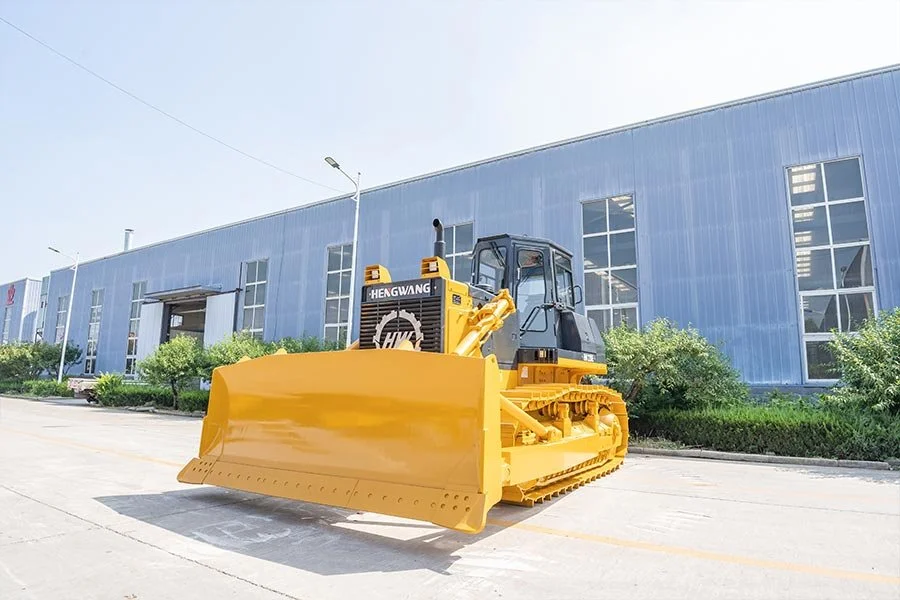
The most common types of bulldozers are categorized by their movement systems. Most heavy-duty projects rely on crawler dozers for maximum traction. These machines feature tracks that distribute weight over a larger surface area.
Crawler bulldozers are ideal for uneven or soft terrain where wheels might sink. They typically exert a ground pressure of only 4 to 9 psi. This makes them perfect for initial land clearing and heavy grading in muddy conditions.
In contrast, wheel bulldozers are faster and more maneuverable on hard surfaces. They utilize high-pressure tires that allow for easier transport between job sites. These are often used for road maintenance and large-scale leveling on firm ground.
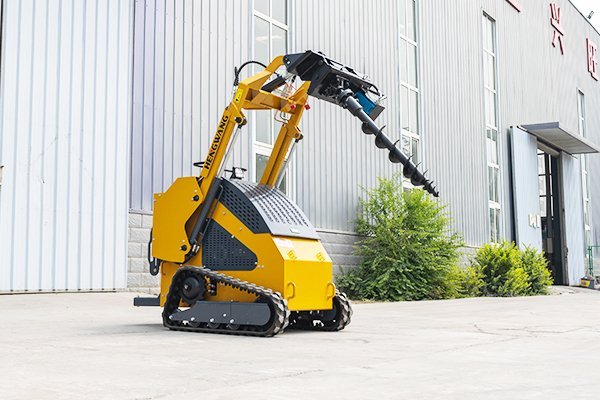
Mini bulldozers, or compact dozers, serve residential and light commercial needs. They offer better fuel efficiency for smaller grading tasks. Their compact size allows them to navigate tight spaces where larger machines cannot fit.
| Bulldozer Type | Primary Terrain | Best Use Case |
| Crawler Dozer | Soft soil, mud, rock | Heavy clearing and grading |
| Wheel Dozer | Asphalt, dry soil | High-speed leveling |
| Mini Dozer | Residential lots | Driveway and yard grading |
| Swamp Dozer | Wetlands, marshes | Very low ground pressure work |
How Do Different Bulldozer Blades Affect Performance?
The blade is the most critical component of any bulldozer configuration. It determines the volume of material the machine can push effectively. Different types of bulldozers utilize specific blade shapes to optimize workflow.
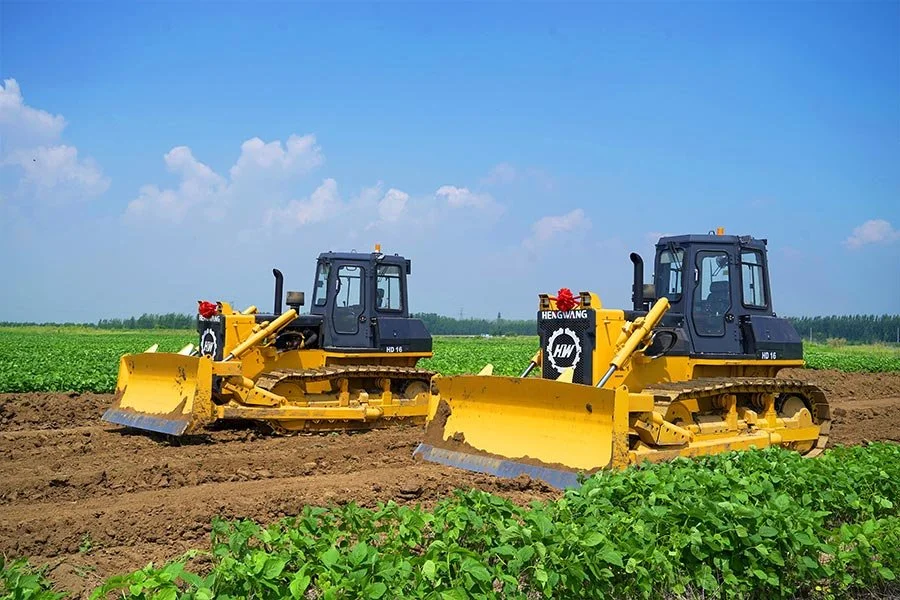
The Straight Blade (S-Blade) is the shortest and lacks side wings. It is primarily used for fine grading and stripping topsoil. Because it lacks curves, it is best for handling high-density materials like compacted soil.
The Universal Blade (U-Blade) features large side wings and a deep curve. This design allows it to carry more material across long distances without spilling. It is the preferred choice for moving coal or soft soil in large quantities.
The Semi-U Blade (SU-Blade) combines the best features of the S and U designs. It is narrower and less curved than a full U-blade. This makes it versatile enough for both heavy pushing and precision leveling.
Specialized Bulldozers for Unique Environments
Construction projects often face extreme environmental challenges that standard machines cannot handle. Manufacturers have developed specialized types of bulldozers for these specific scenarios. These machines feature reinforced frames and modified undercarriages for safety and durability.
Swamp bulldozers are designed with extra-wide track shoes to prevent sinking. These machines often have an operating weight ranging from 17,000kg to 20,000kg. They are essential for wetland restoration and building foundations in coastal areas.
Forestry bulldozers come equipped with heavy-duty brush guards and winches. These features protect the operator from falling timber and debris during land clearing. They typically utilize high-output engines to handle the resistance of thick vegetation.
Coal mining bulldozers feature specialized seals to prevent dust from entering the engine. These machines often operate in 24-hour shifts in harsh mining environments. They utilize massive U-blades to move thousands of cubic yards of coal daily.
Key Technical Specifications for Selection
When comparing types of bulldozers, you must analyze the horsepower and operating weight. Small dozers generally offer between 80 to 130 horsepower. These are sufficient for light landscaping and small residential grading projects.
Medium-sized dozers, such as those with 160 to 220 horsepower, are industry workhorses. A 160HP crawler dozer often features an operating weight of approximately 17,500kg. These machines balance power with transportability for most general construction tasks.
Large-scale mining dozers can exceed 320 horsepower and weigh over 37,000kg. These massive machines are built for high-production environments like open-pit mines. They provide the breakout force necessary to move massive rock formations or heavy clay.
Fuel efficiency has also become a major factor in modern equipment selection. Newer models utilize electronically controlled engines to reduce emissions and lower operating costs. Look for machines that offer eco-modes to save fuel during lighter pushing tasks.
How to Determine Which Bulldozer Is Right for You
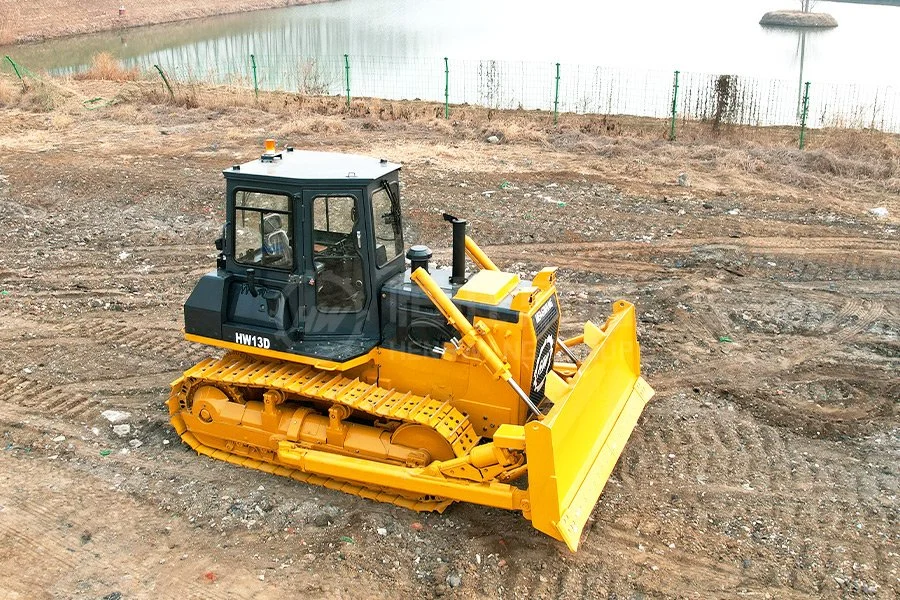
Choosing among the various types of bulldozers requires a clear assessment of your job site. You should first evaluate the soil type to decide between tracks or wheels. If the ground is rocky or swampy, a crawler is the only viable option.
Next, consider the total volume of material you need to move daily. If you are moving large piles over long distances, a U-blade is more efficient. For finishing work and fine grading, a smaller machine with an S-blade is better.
Finally, verify the transport requirements and site access limitations. Large dozers require specialized trailers and permits for highway transport. Ensure your site has enough turning radius for the machine’s specific dimensions.
Reliable equipment should offer a balance of power, durability, and ease of maintenance. Professional earthmoving requires machines that can withstand high stress over long periods. Researching specific model parameters ensures the equipment matches the physical demands of your project.
Summary
The different types of bulldozers provide tailored solutions for earthmoving, from compact residential units to massive mining crawlers. By matching the blade type and undercarriage to your specific terrain, you maximize productivity and safety. Selecting the right machine ensures efficient material handling and long-term project success.
FAQ
Q:What is the most common type of bulldozer?
The crawler bulldozer is the most common type due to its versatility and traction. It uses tracks to navigate rough, slippery, or steep terrain where wheels would fail.
Q:Which bulldozer blade is best for heavy pushing?
The Universal Blade (U-blade) is best for heavy pushing over long distances. Its curved design and side wings help hold large loads of soil or debris.
Q:Can bulldozers be used on wet ground?
Yes, specialized swamp bulldozers are designed specifically for wet ground. They feature wider tracks to distribute weight and prevent the machine from sinking into mud.
Q:What is the difference between a bulldozer and a loader?
A bulldozer uses a front-mounted blade to push material forward along the ground. A loader uses a bucket to lift material and dump it into trucks or piles.
Q:How much horsepower does a standard bulldozer have?
Standard medium-duty bulldozers typically range from 160 to 220 horsepower. Large mining models can exceed 320 horsepower for extreme earthmoving tasks.
Reference Sources
- Occupational Safety and Health Administration (OSHA): https://www.osha.gov/
- Association of Equipment Manufacturers (AEM): https://www.aem.org/