A road roller is a heavy construction vehicle used primarily to compact materials. It utilizes massive drums to press surfaces like soil, gravel, concrete, or asphalt. This process increases the density of the material by removing air pockets.In modern construction, road roller uses are essential for creating stable foundations. Without effective compaction, ground surfaces would eventually shift, sink, or crack. These machines ensure that roads and buildings remain safe and durable for decades.
Compaction is a fundamental stage in almost every infrastructure project worldwide. Whether building a massive highway or a small garden path, density is key. Understanding the specific applications of these machines helps project managers achieve professional results.
Primary Road Roller Uses in Construction and Earthworks
One of the most frequent road roller uses involves preparing the sub-grade. This is the natural soil layer that serves as the foundation for any road. Proper compaction here prevents the future collapse of the entire pavement structure.
Asphalt paving is another critical area where these machines are indispensable. Rollers press hot asphalt into a smooth, even surface for vehicles to drive on. This specific application requires precise temperature management and consistent pressure from the machine.
Landfill operations also rely on heavy rollers to maximize available space. By crushing waste materials, these machines increase the density of the landfill contents. This helps in stabilizing the site and reducing the overall environmental footprint.
| Material Type | Layer Thickness (mm) | Recommended Compaction Method |
| Clay Soil | 150 – 300 | Padfoot / Tamping Roller |
| Granular Soil | 200 – 400 | Vibratory Smooth Drum |
| Asphalt Mix | 40 – 100 | Static or Oscillatory Roller |
| Crushed Stone | 150 – 250 | Heavy Vibratory Roller |
How Different Roller Types Impact Project Efficiency
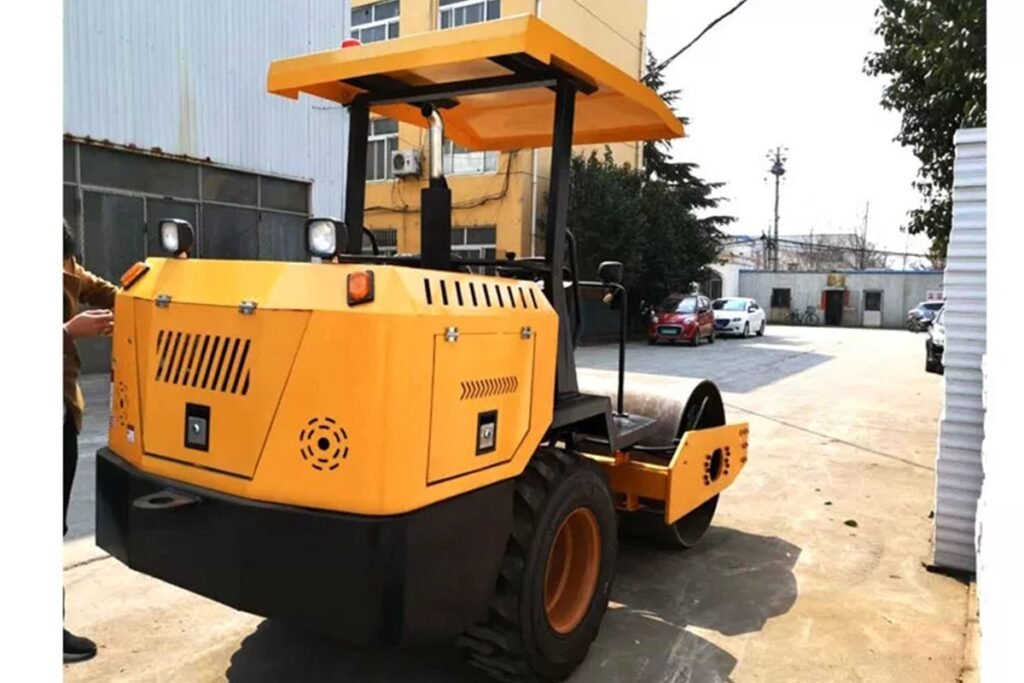
Single drum rollers are the workhorses of the earthmoving and soil preparation industry. They feature a heavy front drum and large tires at the rear for traction. These machines are highly effective for deep compaction in tight or uneven spaces.
Double drum rollers, or tandem rollers, feature two smooth steel drums for operation. They are primarily used for finishing asphalt surfaces on highways and large parking lots. The lack of tires ensures that no tracks are left on the cooling pavement.
Vibratory rollers utilize internal weights to create high-frequency oscillations during the rolling process. This vibration allows the machine to compact deeper layers of material than static rollers. This technology significantly reduces the number of passes required to reach target density.
Technical Factors Defining High-Quality Compaction
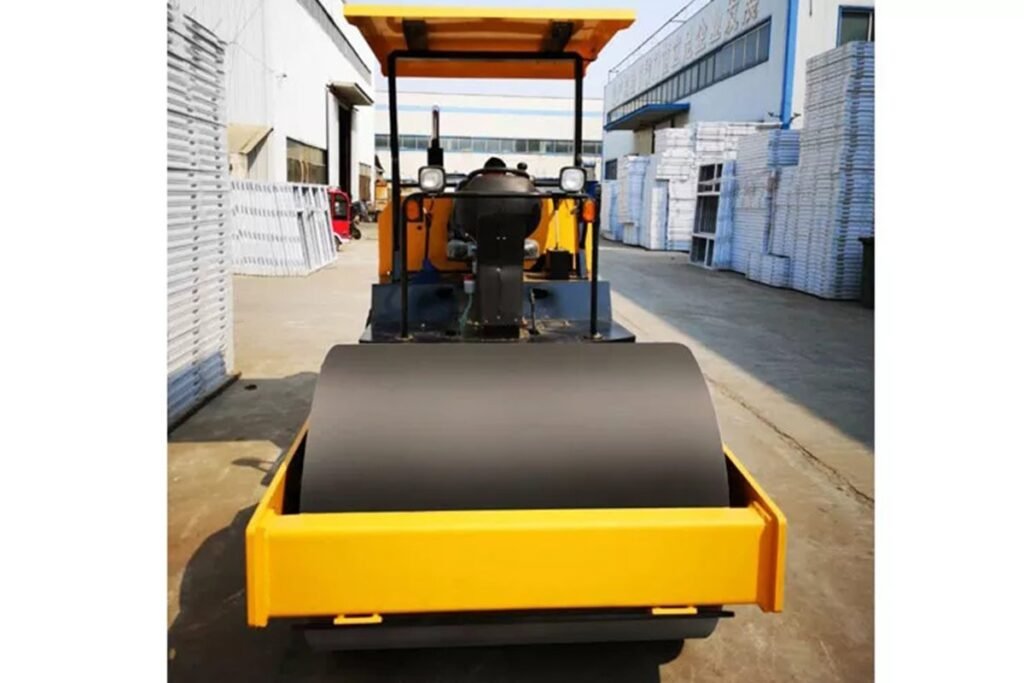
Machine weight is a primary factor in determining the depth of compaction achieved. A 5-ton road roller is often considered the “sweet spot” for municipal and residential work. It provides enough force for driveways while remaining easy to transport between sites.
The centrifugal force generated by vibratory systems adds dynamic pressure to the ground. For instance, a medium-sized roller may produce a force of 50 to 100 kN. This force helps rearrange soil particles into a much tighter and stronger configuration.
Working speed must be carefully controlled to ensure uniform density across the entire site. Most professional operators maintain a speed between 3 and 5 kilometers per hour. Moving too quickly results in uneven compaction and potential surface ripples or “shoving.”
How to Determine if a Single Drum Roller Fits Your Project
Choosing the right equipment depends heavily on the specific soil type at your site. For cohesive soils like clay, a machine with high pressure and specific drum patterns is best. However, for mixed soils, a single drum road roller offers the most versatility.
Maneuverability is a crucial factor when working in urban environments or narrow roads. You should look for machines with a tight turning radius and responsive hydraulic steering. These features allow operators to work close to curbs and building foundations safely.
Performance reliability is the final pillar of a successful equipment selection process. You must evaluate the engine power and the cooling system’s ability to handle long shifts. A machine that maintains consistent vibration frequency will always produce a more professional finish.
Summary
A road roller is a vital tool for ensuring the stability and longevity of construction surfaces. Its main uses include soil stabilization, asphalt finishing, and foundation preparation across various industries. By selecting the appropriate weight and drum type, contractors can guarantee a safe and durable result.
FAQ
Q:What is the most common use for a road roller?
The most common use is compacting asphalt during road construction to create a smooth surface. It is also used to stabilize soil foundations before building houses or highways.
Q:Can a road roller be used on wet soil?
Compaction is generally most effective when soil has a specific moisture content. If the soil is too wet, the roller may get stuck or cause the material to “pump” rather than compact.
Q:What size road roller do I need for a driveway?
For residential driveways, a 1-ton to 5-ton roller is usually sufficient. These sizes provide enough pressure for thin asphalt layers without damaging surrounding structures.
Q:What is the difference between static and vibratory rolling?
Static rolling relies only on the machine’s weight to press the ground. Vibratory rolling adds a rapid shaking motion that helps particles settle more densely and deeply.
Reference Sources
Association of Equipment Manufacturers: Safe Operating Procedures for Rollers
https://www.aem.org
Volvo Construction Equipment: Guide to Soil Compaction Equipment
https://www.volvoce.com