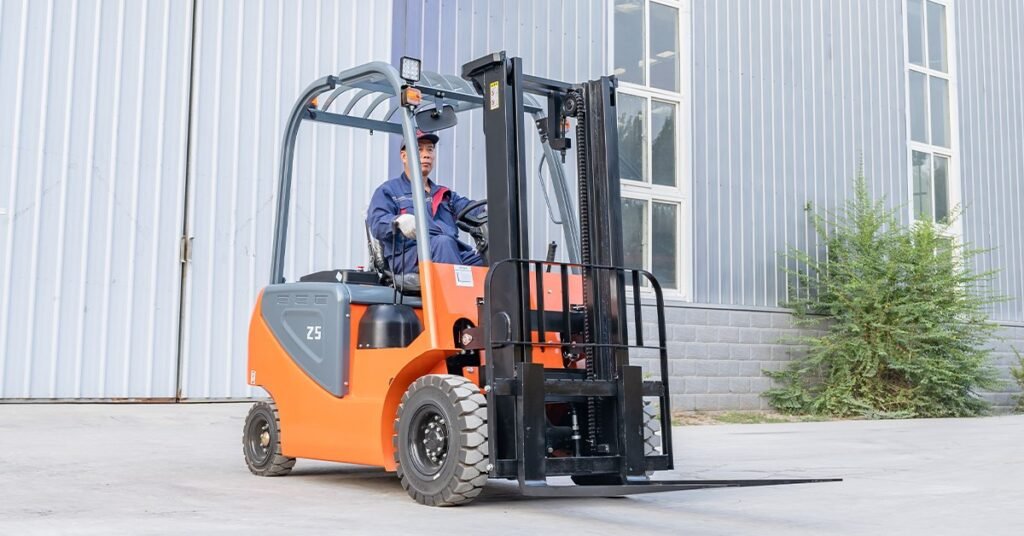
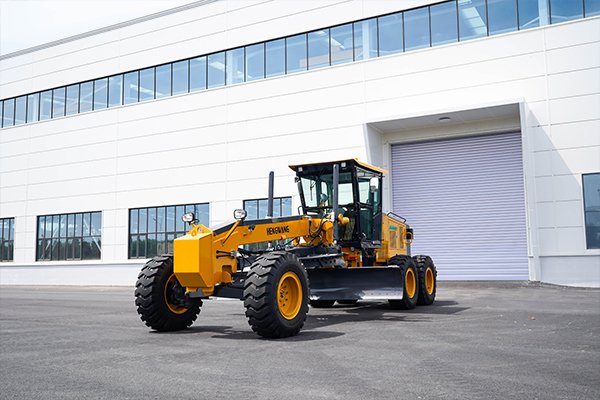
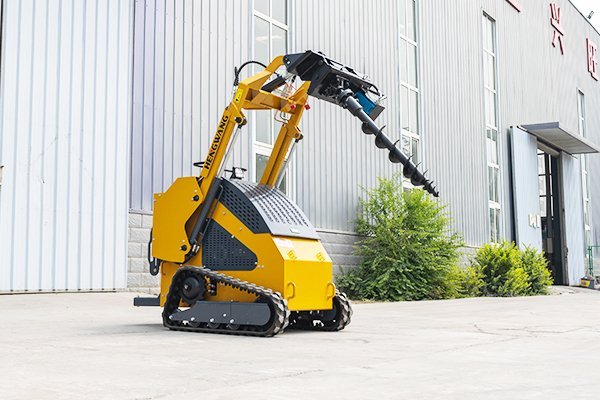
Modern farming requires high efficiency and reduced manual labor. A loader in agriculture serves as a versatile tool for various daily operations. These machines handle heavy lifting, transporting materials, and site maintenance across diverse terrains. Farmers increasingly rely on compact machinery to navigate narrow spaces and specialized tasks.
The integration of advanced hydraulics and quick-attach systems has transformed farm management. These technological improvements allow a single operator to perform multiple roles. Whether managing a small homestead or a large commercial farm, a loader in agriculture is an essential investment. Using specialized equipment helps maintain a competitive edge in today’s demanding agricultural market.
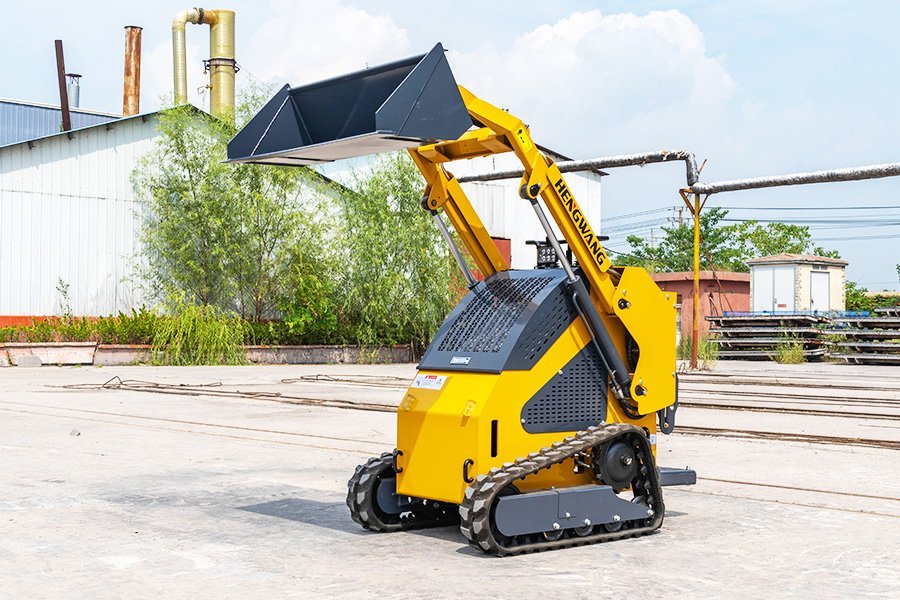
| Feature | Benefit for Agricultural Use |
| Compact Dimensions | Navigates narrow barn aisles and gates easily. |
| Quick-Attach System | Switches between buckets, forks, and augers rapidly. |
| High Maneuverability | Operates efficiently in confined livestock pens. |
| Hydraulic Power | Handles heavy feed bags and hay bales with ease. |
Efficient Material Handling with a Loader in Agriculture
One of the primary roles of a loader in agriculture is the movement of bulk materials. Farmers must transport grain, fertilizer, and soil across long distances. Manual handling of these materials is physically demanding and time-consuming. Mechanization through loaders can reduce material handling time by up to 60% compared to manual labor.
These machines are specifically designed to load high-sided trailers and seeders. Their lift height and reach allow for precise placement of bulk goods. This precision reduces waste during the loading process. Efficient material transport directly impacts the overall profitability of a farming operation. Using a loader ensures that planting and fertilization happen on schedule.
Furthermore, the stability of a loader in agriculture is crucial for safety. Modern units feature balanced weight distribution to prevent tipping on uneven ground. This stability allows operators to move heavy loads over muddy or soft soil. Safety and speed are the two biggest advantages of using a loader for materials.
How Compact Loaders Improve Livestock Management
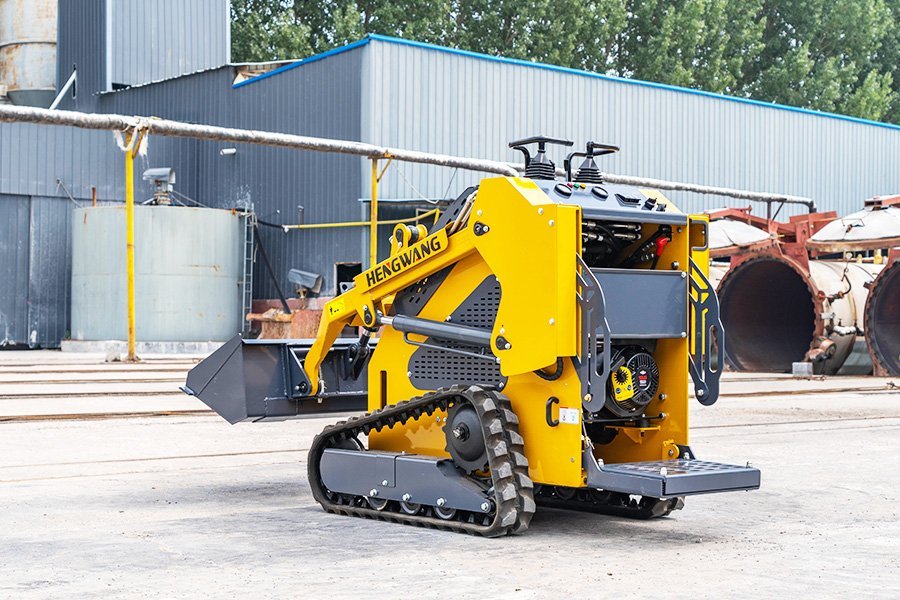
Livestock operations require constant maintenance and feeding schedules. A loader in agriculture is vital for cleaning pens and managing waste. Standard loaders might be too large for indoor stalls or small barns. Compact skid steer loaders provide the agility needed for indoor livestock environments.
Feeding routines also benefit from the use of mechanized loaders. Operators can move large hay bales or silage to feeding bunks in minutes. Automated feeding support reduces the physical strain on farm workers. This efficiency allows staff to focus on animal health and data management.
Waste management is another critical application for these machines. Regular removal of manure is necessary for hygiene and disease prevention. A loader in agriculture equipped with a grapple or utility bucket makes this task straightforward. Keeping a clean environment leads to healthier livestock and higher yields.
Streamlining Land Preparation and Site Maintenance
Farms require constant upkeep of fences, roads, and drainage systems. A loader in agriculture can be equipped with various attachments for these tasks. For example, an auger attachment allows for rapid post-hole digging for new fencing. Using a loader for fence installation is significantly faster than using manual post-diggers.
Land clearing and leveling are also common applications for these versatile machines. Farmers often need to clear debris or level ground for new structures. A loader with a grading blade can prepare a smooth surface for construction or planting. Proper site maintenance prevents water pooling and soil erosion on the farm.
Additionally, these loaders assist in snow removal during winter months. Keeping farm paths clear is essential for accessing livestock and equipment. A loader in agriculture ensures that the farm remains operational regardless of the weather. Year-round utility makes the loader a high-value asset for any producer.
Choosing the Right Compact Loader for Your Farm
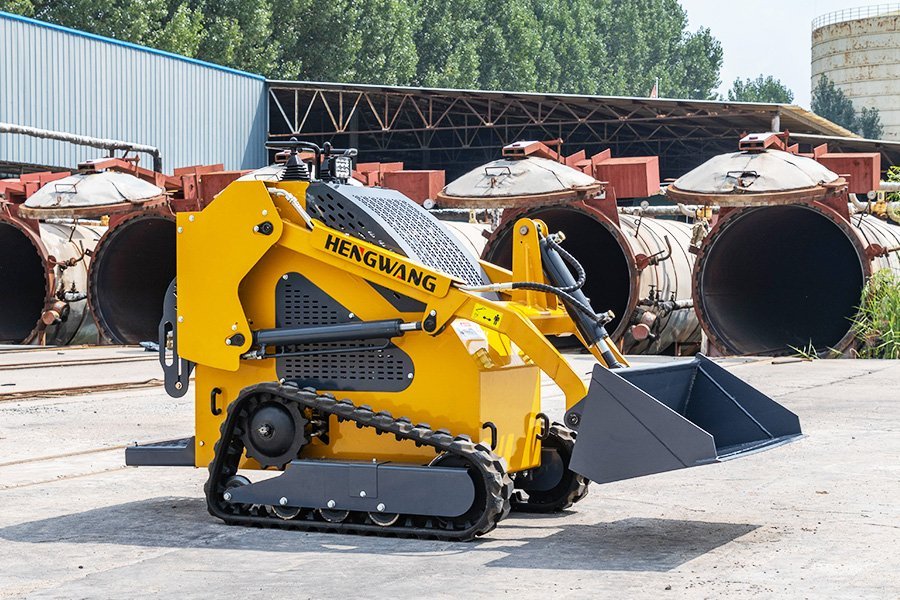
Selecting a loader in agriculture requires an understanding of your specific operational needs. You must evaluate the rated operating capacity to ensure it can handle your heaviest tasks. If you frequently lift hay bales weighing 350kg, a machine like the HW-T360 with a matching capacity is necessary. Capacity planning prevents equipment strain and potential mechanical failure.
Maneuverability is the next critical factor for modern farm environments. Narrow gates and tight barn corners require a machine with a small footprint. The ability to perform a 360-degree turn in place is a major advantage for skid steers. This allows the operator to work in spaces where a traditional tractor cannot fit.
Finally, consider the compatibility of hydraulic attachments for your workflow. A high-flow hydraulic system allows the use of demanding tools like trenchers or brush cutters. The versatility of a loader depends entirely on its attachment interface. Choosing a model with a universal quick-attach system provides the most long-term flexibility. Investing in a loader in agriculture that balances power with a compact frame ensures maximum ROI.
Summary
A loader in agriculture is a multi-functional tool that optimizes material handling, livestock care, and land maintenance. These machines reduce labor costs while increasing operational safety and speed. By selecting a loader with the right capacity and maneuverability, farmers can significantly improve their daily productivity and long-term profitability.
FAQ
Q:What is the most common use for a loader in agriculture?
The most common use is material handling, specifically moving feed, fertilizer, and waste. Loaders streamline the transport of bulk goods across the farm.
Q:Can a compact loader handle heavy round hay bales?
Yes, provided the loader’s rated operating capacity exceeds the weight of the bale. Most compact loaders are designed to lift between 300kg and 500kg safely.
Q:How does a loader improve safety on a farm?
It reduces the need for manual lifting, which prevents musculoskeletal injuries among workers. Mechanized loading also keeps operators away from potentially dangerous livestock during feeding.
Q:Is a skid steer loader better than a tractor for farming?
It depends on the task, but skid steers offer superior maneuverability in tight spaces. A skid steer is often more efficient for indoor barn work and precise material placement.
Reference Sources
- American Society of Agricultural and Biological Engineers (ASABE) – Standards for Agricultural Loader Safety and Performance. https://www.asabe.org/
- FAO (Food and Agriculture Organization of the United Nations) – Guidelines on Farm Mechanization and Efficiency. https://www.fao.org/
- Association of Equipment Manufacturers (AEM) – Industry Trends in Compact Construction and Agricultural Machinery. https://www.aem.org/
- USDA (United States Department of Agriculture) – Research on Farm Productivity and Technology Adoption. https://www.usda.gov/