Selecting the right compaction equipment is vital for any construction project. The correct machine ensures the structural integrity of roads and foundations. This road roller selection guide helps you navigate technical specifications and project requirements.
Choosing the wrong equipment leads to premature pavement failure. It also increases operational costs and delays project timelines significantly. Identifying the specific soil type and project scale is the first step toward a successful build.
Modern rollers offer various features for different materials. Understanding these variations allows you to achieve the required density efficiently. We will explore the critical factors that influence your purchasing or rental decisions.
Identifying Your Specific Compaction Requirements
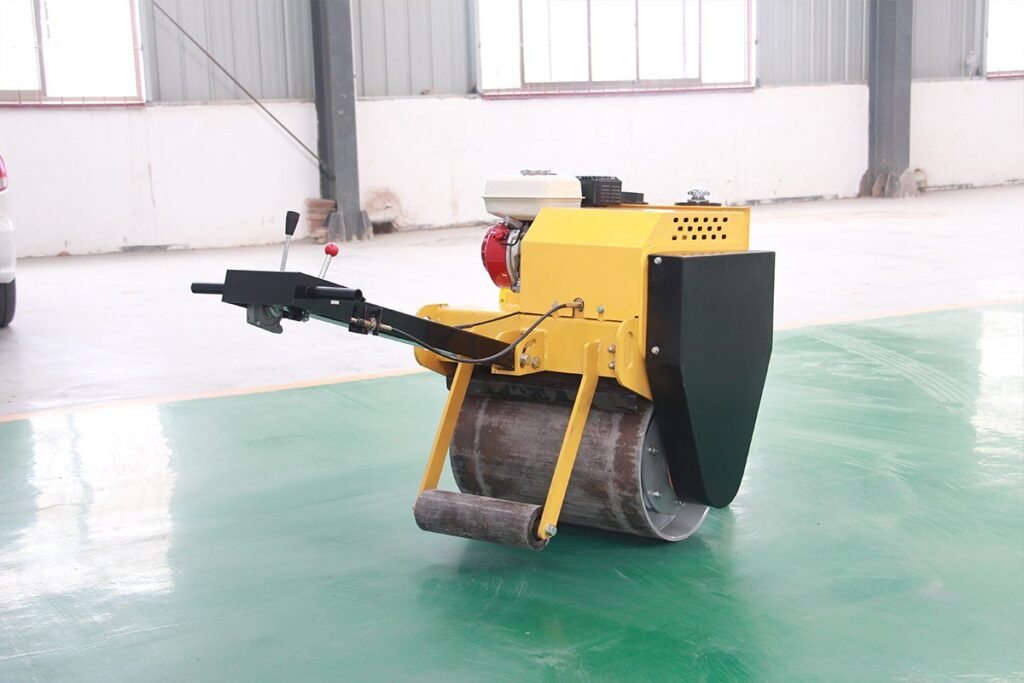
The first consideration in any road roller selection guide is the material you need to compact. Granular soils like sand and gravel require high-frequency vibration. Cohesive soils like clay often require “pad-foot” drums to break down soil bonds.
Project size determines the machine’s physical dimensions and power requirements. Large-scale highways need heavy-duty tandem rollers for smooth asphalt finishes. Smaller urban projects benefit from compact single-drum rollers that maneuver easily in tight spaces.
Always match the machine weight to the lift thickness of your material. A machine that is too light will not reach the bottom layers. Conversely, an overly heavy machine can crush the aggregate and weaken the structure.
Technical Specifications for Optimal Performance
Static weight is a primary factor in compaction efficiency. However, modern machines rely heavily on centrifugal force and vibration frequency. A centrifugal force of 50 kN is typically sufficient for medium-depth soil layers.
Drum width determines how many passes are required to cover an area. A width of 1500mm provides an excellent balance between coverage and maneuverability. This size fits well within standard lane widths for residential road work.
Engine power influences the machine’s ability to climb grades and operate hydraulics. A power output of approximately 36.8 kW is ideal for 4-ton to 5-ton machines. Sufficient engine power ensures consistent vibration frequency even on sloped terrain.
| Feature | Requirement for Soil | Requirement for Asphalt |
| Drum Type | Single Drum / Pad-foot | Double Drum (Tandem) |
| Vibration | High Amplitude | High Frequency |
| Typical Force | 50 kN – 150 kN | 20 kN – 60 kN |
| Main Goal | Deep Consolidation | Surface Smoothness |
Comparing Different Roller Configurations

Single-drum rollers are the workhorses of site preparation and base layers. They feature a heavy front drum and large rear tires for traction. Single-drum models are the best choice for sub-base compaction on uneven ground.
Double-drum or tandem rollers use two steel drums for compaction. They are designed primarily for asphalt paving to ensure a smooth finish. These machines lack rubber tires, so they provide uniform pressure across the entire surface.
Pneumatic tired rollers use several rows of rubber tires to create a kneading effect. This action seals the surface of asphalt and improves water resistance. They are often used as a finishing step after steel drum rollers.
Evaluating the Single Drum Roller for Your Project
When looking at a 4.5-ton single drum roller, you must evaluate its versatility. This weight class bridges the gap between small trench rollers and heavy highway equipment. It is particularly effective for municipal road repairs and parking lot foundations.
A machine with a 4500 kg operating weight provides enough pressure for most sub-grade tasks. It remains light enough to transport without specialized heavy-haul permits. This mobility saves significant logistical costs over the life of the project.
The hydraulic system should offer smooth control over both travel and vibration. High-quality hydraulic components reduce maintenance needs and prevent fluid leaks on the job site. Evaluating the drum’s centrifugal force against your target density is the best way to ensure project success.
You should consider how the drum width fits your most common workspace. A 1500mm drum is wide enough for efficiency but narrow enough for narrow paths. This makes the HW-450 single-drum road roller a strong candidate for versatile urban construction needs.
Summary
Choosing the right equipment requires balancing soil type, project scale, and machine power. This road roller selection guide highlights that matching weight to material thickness is essential for durability. By focusing on centrifugal force and maneuverability, you can select a machine that maximizes both efficiency and pavement life.
FAQ
Q:What is the most important factor in a road roller selection guide?
The most important factor is matching the drum type and weight to the specific soil or material being compacted. Different materials like clay and gravel respond differently to vibration and pressure.
Q:When should I choose a single drum roller over a double drum?
You should choose a single drum roller for soil compaction and foundation work. They offer better traction on rough terrain and are designed for deeper compaction depths.
Q:Is a 4.5-ton road roller heavy enough for highway work?
A 4.5-ton roller is generally used for sub-base work or smaller municipal roads rather than main highway lanes. It is perfect for driveways, parking lots, and residential streets.
Q:How does centrifugal force affect compaction?
Centrifugal force determines the “hit” the machine delivers to the ground with each vibration. Higher force allows the machine to compact thicker layers of material in fewer passes.
Q:What drum width is best for urban construction?
A drum width of around 1500mm is often best for urban environments. It allows the operator to work in tight spaces while still covering ground quickly.
Reference Sources:
- Association of Equipment Manufacturers (AEM) – https://www.aem.org/
- Construction Equipment Magazine – https://www.constructionequipment.com/
- National Asphalt Pavement Association (NAPA) – https://www.asphaltpavement.org/