Selecting the right equipment for a construction or landscaping project is a major decision. Beginners often feel overwhelmed by the technical specifications and various model sizes available today. This mini excavator buying guide provides the essential information needed to make an informed choice.
Mini excavators are compact machines designed for digging, trenching, and material handling. They typically weigh less than 8 metric tons and offer superior maneuverability in tight spaces. Understanding your specific project requirements is the first step toward a successful purchase.
Key Factors to Look for in a Mini Excavator

The most important factor is the operating weight of the machine. This metric determines how much the excavator can lift and how deep it can dig. Most residential projects require a machine in the 1-ton to 2-ton range for optimal efficiency.
Engine power is another critical specification for beginners to evaluate. Performance is usually measured in kilowatts (kW) or horsepower (hp). A standard 1-ton machine often features an engine providing approximately 7.0 to 7.5 kW of power.
Hydraulic systems drive the movement of the arm and attachments. High-quality hydraulic pumps ensure smooth operation and precise control during delicate tasks. You should also check the bucket capacity, which typically ranges from 0.02 to 0.05 cubic meters for compact units.
| Specification | 1-Ton Compact Class | 3.5-Ton Utility Class |
| Operating Weight | 1,000 kg – 1,200 kg | 3,500 kg – 3,800 kg |
| Engine Power | 7.0 kW – 9.0 kW | 18 kW – 25 kW |
| Digging Depth | 1,600 mm – 1,800 mm | 3,000 mm – 3,300 mm |
| Machine Width | 800 mm – 950 mm | 1,500 mm – 1,750 mm |
How to Determine the Best Operating Weight for Your Project
Choosing the correct weight class is the core of any mini excavator buying guide. Operating weight affects both the stability of the machine and the ground pressure it exerts. Lighter machines are ideal for delicate surfaces like established lawns or indoor renovations.
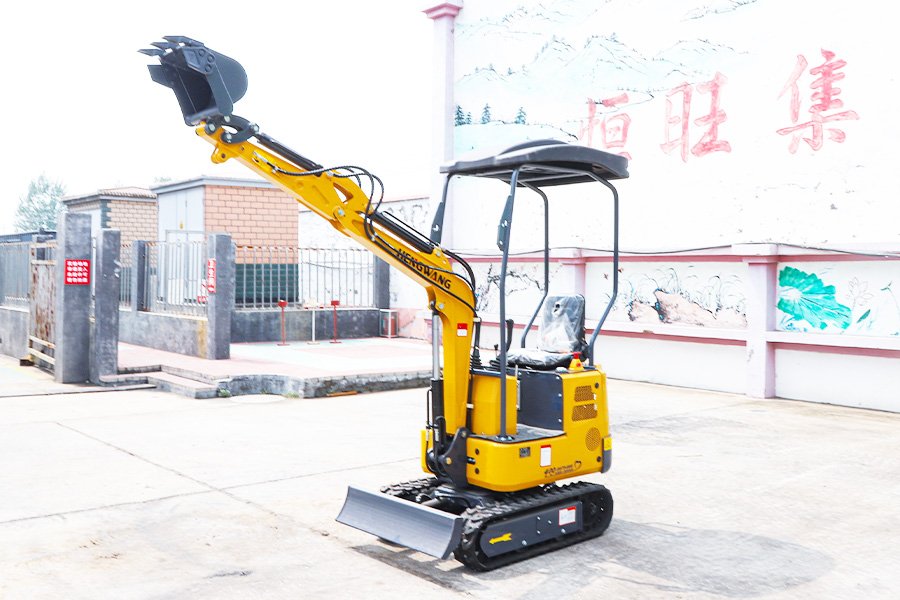
A 1,000 kg (1-ton) excavator is narrow enough to pass through standard garden gates. These units usually have a width of less than 950 mm. They are perfect for digging small trenches or planting trees in confined residential backyards.
If your project involves heavy lifting or deep utility trenching, consider a 3-ton to 5-ton model. Larger machines offer greater reach and higher breakout forces. However, they require larger trailers and more powerful towing vehicles for transport between sites.
Evaluating Digging Depth and Reach
Beginners must accurately calculate the maximum digging depth required for their specific tasks. A standard 1-ton mini excavator typically offers a digging depth of about 1,650 mm. This is sufficient for most garden drainage and small foundation work.
Reach refers to how far the arm can extend from the center of the machine. Greater reach allows the operator to dump soil further away from the trench. This reduces the frequency of moving the machine and saves valuable time on the job site.
Always consider the tail swing of the excavator during operation. Conventional tail swing models have a counterweight that extends beyond the tracks. Zero tail swing models stay within the track width, which prevents accidental damage when working near walls.
Essential Attachments for Maximum Versatility

The utility of a mini excavator increases significantly with the right attachments. Most beginners start with a standard digging bucket. However, you can swap buckets for different widths depending on the trench size needed.
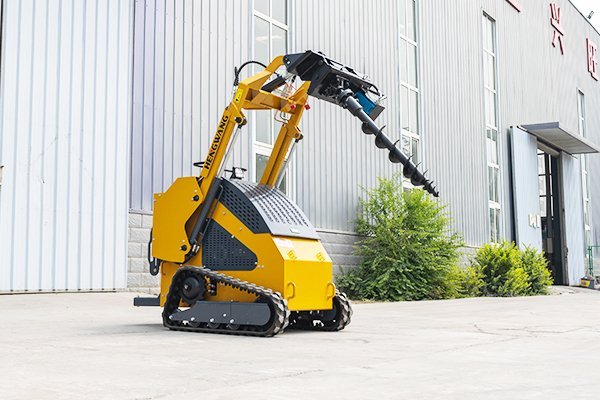
Augers are useful for drilling precise holes for fence posts or deck supports. Hydraulic hammers allow the machine to break up old concrete driveways or rocky soil. Quick-hitch systems make it easier to switch between these tools in under five minutes.
Thumb attachments are highly recommended for beginners. A hydraulic thumb allows the operator to grip and lift irregular objects like logs or rocks. This feature transforms the excavator into a highly capable material handler.
How to Judge if a 1-Ton Machine Fits Your Needs
Determining if a 1-ton model is the right choice depends on your site access. If your workspace is restricted by narrow doorways or fences, a compact 1,000 kg machine is necessary. These units provide a balance between compact size and functional power.
You should verify the transport requirements before making a final selection. A 1-ton excavator can often be transported on a standard utility trailer. This reduces the need for specialized commercial trucking services and lowers overall project costs.
The HW-12 model serves as a prime example of a beginner-friendly 1-ton machine. It features a 1,000 kg operating weight and a bucket capacity of .025 cubic meters. Its 940 mm width allows it to operate effectively in spaces where larger machines cannot enter.
The machine uses a reliable air-cooled engine designed for simple maintenance. Beginners should look for these straightforward mechanical designs to minimize repair costs. A 360-degree rotation capability ensures the operator can work in any direction without repositioning the tracks.
Summary
This mini excavator buying guide highlights that selecting a machine depends on weight, power, and site access. For most beginners, a 1-ton model provides the best balance of portability and performance. Always prioritize machines that offer the necessary digging depth and attachment compatibility for your specific goals.
FAQ
What is the best size mini excavator for home use?
A 1-ton to 2-ton mini excavator is typically best for home use. These machines are small enough for residential yards but powerful enough for most landscaping and utility tasks.
Can a beginner operate a mini excavator?
Yes, beginners can operate mini excavators because they feature intuitive controls and safety systems. Most modern units use ISO or SAE control patterns that are easy to learn with practice.
How deep can a 1-ton mini excavator dig?
A 1-ton mini excavator can typically dig to a depth of approximately 1.6 meters (about 5.2 feet). This depth is usually sufficient for residential drainage, irrigation, and small foundations.
What maintenance does a mini excavator require?
Regular maintenance includes checking hydraulic fluid levels, greasing pivot points, and cleaning air filters. Consistent maintenance ensures the machine remains reliable and maintains its resale value over time.
Reference Sources
Occupational Safety and Health Administration (OSHA)
https://www.osha.gov/
Association of Equipment Manufacturers (AEM)
https://www.aem.org/
ForConstructionPros
https://www.forconstructionpros.com/
Equipment World
https://www.equipmentworld.com/