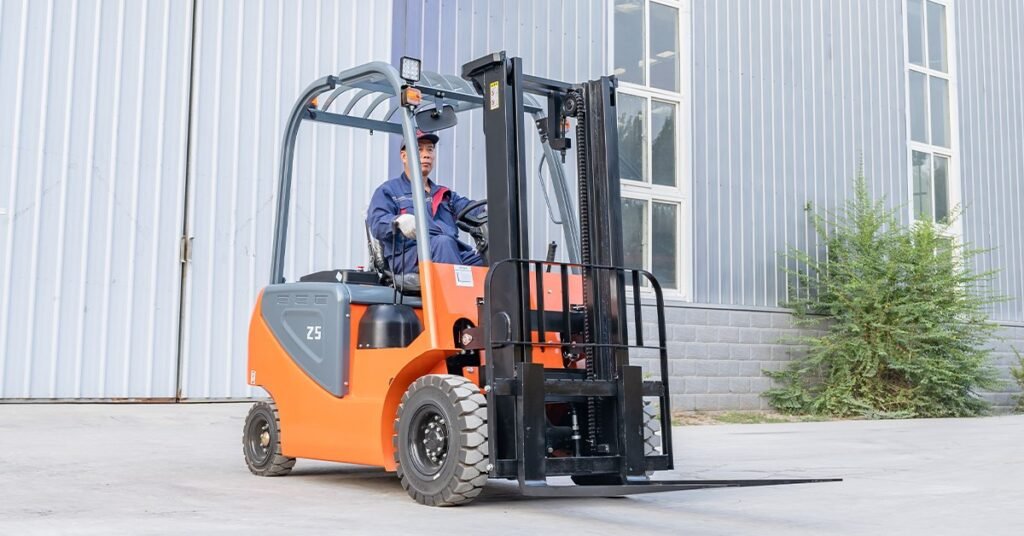
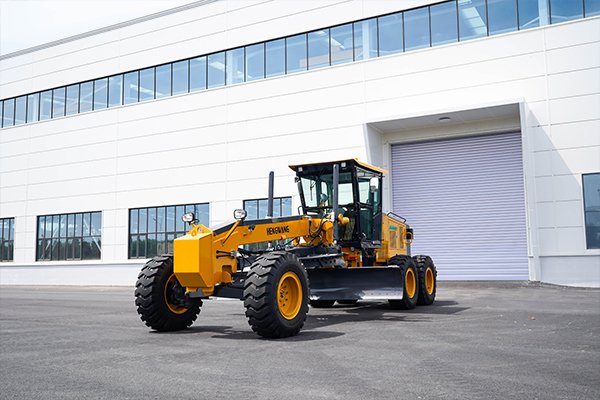
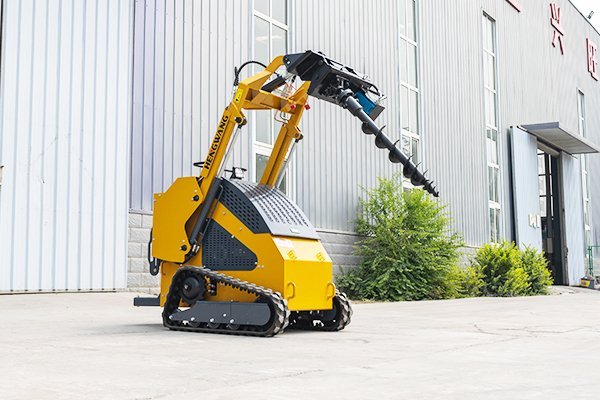
Loaders are essential machines in the modern construction and mining industries. These powerful vehicles handle tasks ranging from material transport to heavy-duty digging. Selecting the right types of construction loaders determines the overall efficiency of a project.
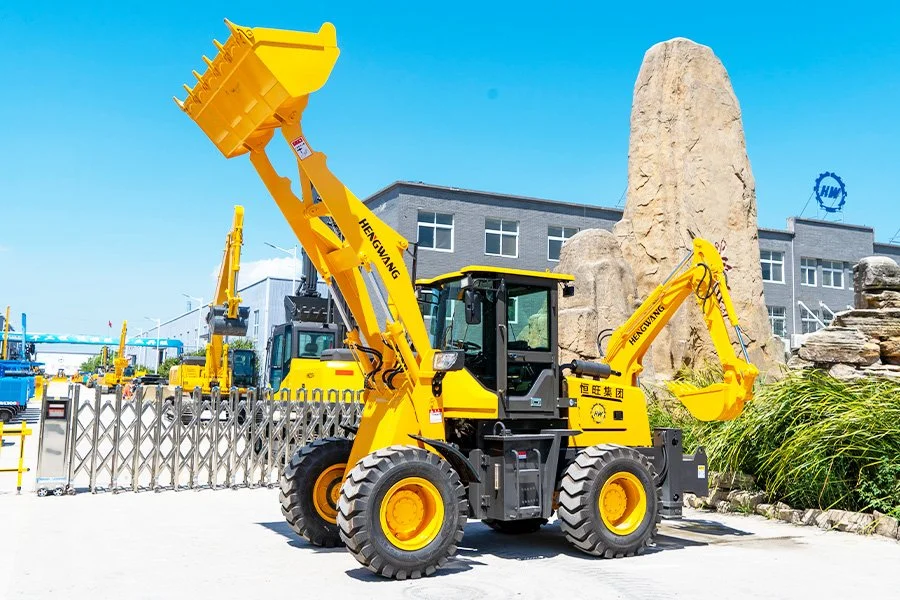
Each machine offers unique capabilities tailored to specific environments. Contractors must understand these differences to minimize operational costs. This guide examines the most common loader variants and their primary functions on the job site.
What are the Most Common Types of Construction Loaders?
The construction industry utilizes several specialized loaders to move earth, rock, and debris. Wheel loaders are perhaps the most recognizable variety found on large-scale sites. These machines feature four large wheels and a front-mounted bucket. They excel at moving bulk materials across relatively flat and solid surfaces.
Backhoe loaders combine the capabilities of a loader and an excavator into one frame. The front bucket handles loading tasks while the rear arm performs precision digging. This versatility makes them a staple for urban construction and utility repairs. Their compact size allows them to navigate narrow streets where larger machines cannot fit.
Crawler loaders or track loaders utilize rugged tracks instead of rubber tires. This design provides superior stability and traction on soft or uneven ground. They are ideal for initial site clearing and working in muddy conditions. These machines exert lower ground pressure, preventing them from sinking into loose soil.
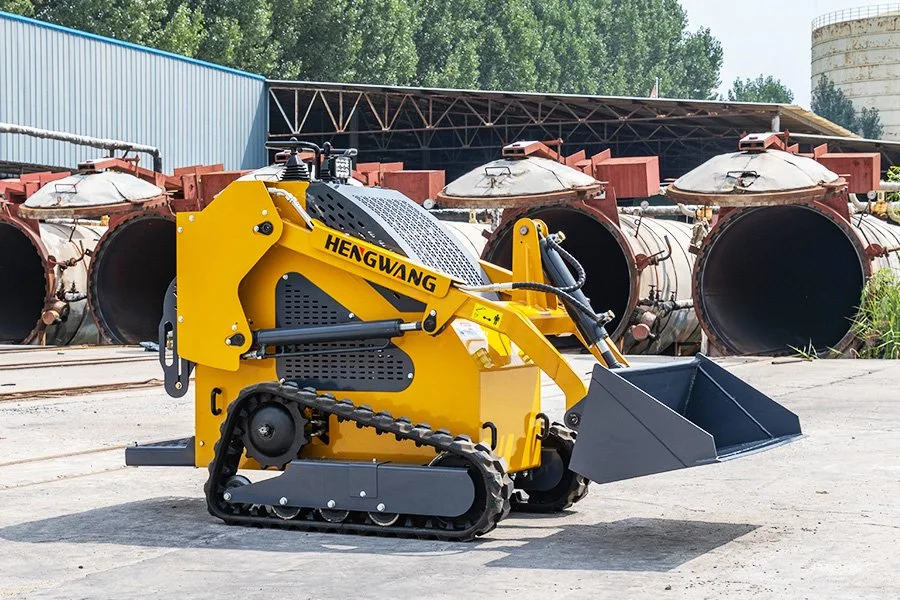
Skid steer loaders are small, highly maneuverable machines used in tight spaces. They can turn within their own footprint by locking one side of the wheels. Operators frequently use them for landscaping, interior demolition, and small-scale grading. Their ability to swap attachments quickly increases their utility on diverse job sites.
Technical Performance and Comparative Data
Understanding the technical specifications of different loaders is crucial for procurement. Heavy-duty wheel loaders often feature engine power exceeding 160 kW. These machines can manage rated loads of up to 5,000 kg or more in a single cycle. High breakout forces allow them to penetrate tough piles of material easily.
Compact models prioritize maneuverability over raw power for smaller tasks. A typical mini loader might offer a rated load between 1,000 kg and 2,000 kg. These units are perfect for agricultural applications or light residential construction. Modern hydraulic systems ensure smooth control and fast cycle times across all sizes.
| Loader Type | Typical Load Capacity | Primary Terrain | Key Advantage |
| Wheel Loader | 2,000 – 7,000 kg | Hard, flat ground | High travel speed |
| Backhoe Loader | 1,500 – 2,500 kg | Versatile/Paved | Multi-functional |
| Crawler Loader | 2,000 – 5,000 kg | Soft, muddy soil | Maximum traction |
| Skid Steer | 500 – 1,500 kg | Tight, urban spaces | 360-degree turning |
Key Features of Modern Earthmoving Equipment
Modern types of construction loaders incorporate advanced technology to improve safety and output. Enclosed cabs with air conditioning provide a comfortable environment for operators. Ergonomic joystick controls reduce physical fatigue during long work shifts. Enhanced visibility via large windows and cameras ensures safer operation in crowded areas.
Engine efficiency has become a primary focus for manufacturers. Many new loaders utilize turbocharged diesel engines that meet strict emission standards. These power plants offer high torque at low speeds to save fuel. Intelligent hydraulic systems distribute power only where needed, reducing energy waste.
Durability is another hallmark of professional-grade loaders. Heavy-duty steel frames resist twisting and stress under heavy loads. Reinforced bucket edges and wear-resistant pins extend the service life of the machine. These structural improvements lower the total cost of ownership for construction firms.
How to Evaluate the Best Loader for Your Needs
Selecting a loader requires a careful analysis of the specific project environment. Consider the volume of material you need to move every hour. Large projects with high quotas require heavy-duty wheel loaders with large bucket capacities. Small renovation jobs benefit more from the agility of a compact or skid steer unit.
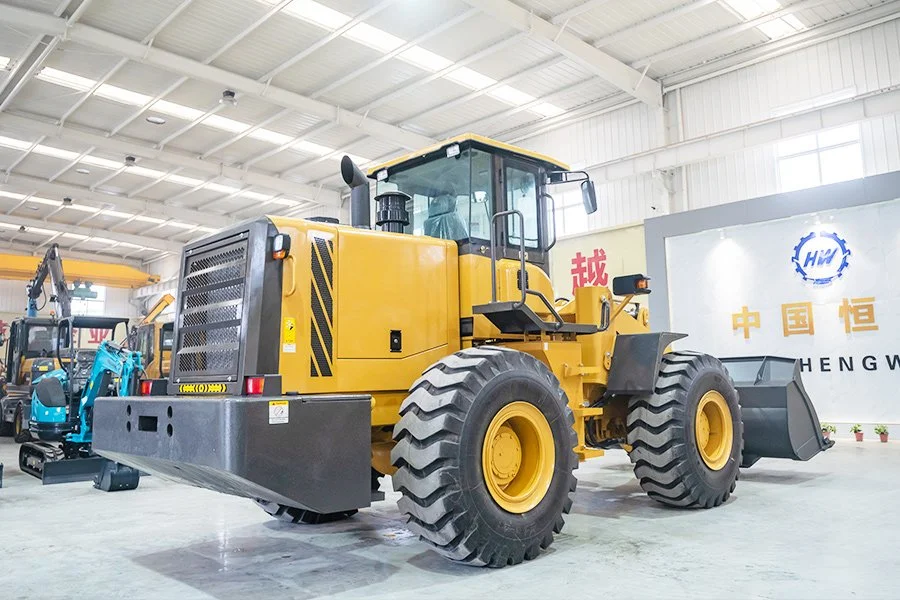
Ground conditions play a vital role in the decision-making process. Tires work best on paved roads or dry, hard-packed dirt. If the site is prone to rain or consists of loose sand, tracks are the safer choice. Track-based machines ensure that production does not stop due to poor weather.
Attachment compatibility is the final factor to consider. Many modern loaders can support forks, sweepers, or snow blowers. If your project involves multiple tasks, choose a machine with a quick-hitch system. This allows the operator to switch tools in minutes without leaving the cab.
Understanding the balance between power and footprint is essential. A machine that is too large may struggle to maneuver, while one that is too small will slow down progress. Evaluate the maximum dump height to ensure the loader can reach your transport trucks. Proper sizing leads to a more sustainable and profitable operation.
Summary
The different types of construction loaders serve unique roles based on terrain and workload. Wheel loaders offer speed and capacity, while backhoes provides digging versatility. Track loaders ensure stability in harsh conditions, and mini loaders excel in confined spaces. Choosing the correct model optimizes productivity and ensures project success.
FAQ
What is the most versatile type of construction loader?
The backhoe loader is considered the most versatile because it combines loading and excavating functions. It features a front bucket for moving materials and a rear digging arm for trenching. This dual-purpose design reduces the need for multiple machines on a job site.
How do wheel loaders differ from track loaders?
Wheel loaders use rubber tires for high speed and mobility on hard surfaces. Track loaders use continuous metal or rubber tracks for better traction on soft or slippery ground. Tracks distribute weight more evenly, making them suitable for muddy or sensitive terrains.
Which loader is best for small construction sites?
Skid steer loaders or mini loaders are best for small sites due to their compact frames. They have a zero-turn radius, allowing them to operate in very narrow corridors. These machines are also easy to transport between different locations using a standard trailer.
What should I check when buying a used loader?
Inspect the hydraulic cylinders for leaks and check the engine for unusual noises or smoke. Evaluate the wear on the bucket teeth and the condition of the tires or tracks. It is also important to review the maintenance history to ensure the machine was serviced regularly.
Can one loader handle both digging and lifting?
Yes, backhoe loaders are specifically designed to handle both digging and lifting tasks efficiently. While a standard wheel loader is primarily for lifting, it can perform light scraping. However, for deep excavation, a backhoe or a dedicated excavator is necessary.
Reference Sources
Association of Equipment Manufacturers (AEM):https://www.aem.org/
Occupational Safety and Health Administration (OSHA):https://www.osha.gov/
International Organization for Standardization (ISO):https://www.iso.org/
Construction Equipment Magazine:https://www.constructionequipment.com/