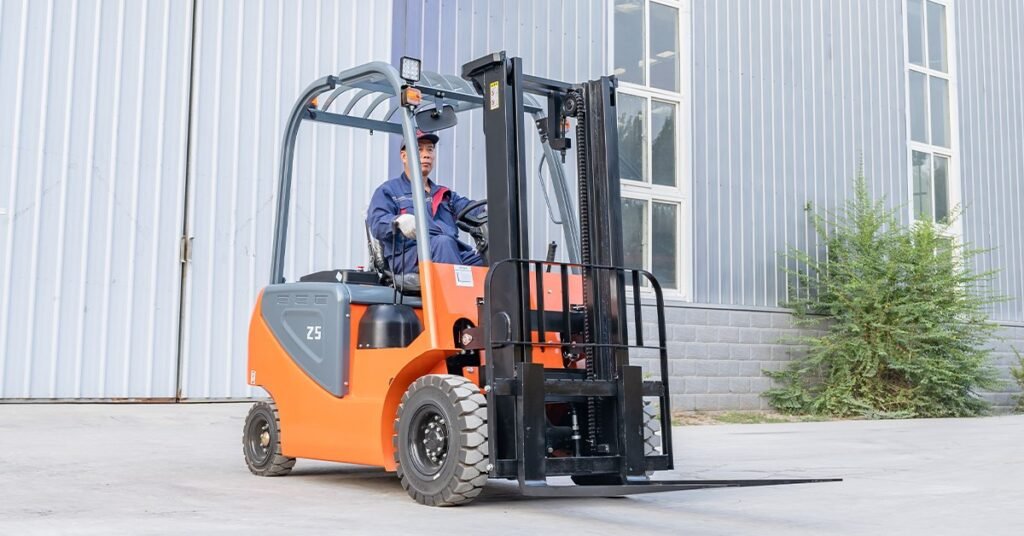
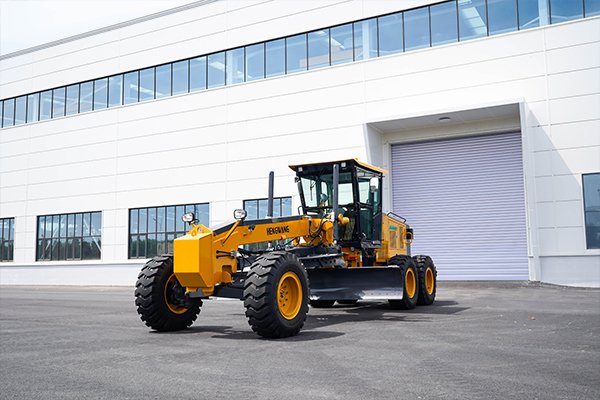
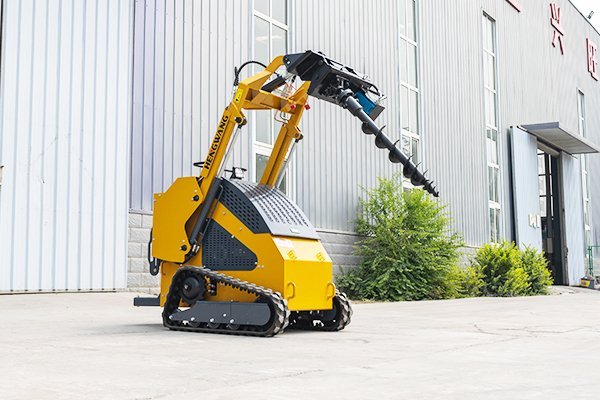
Choosing the right heavy equipment is essential for project efficiency and safety. Many professionals use the terms wheel loader vs front loader interchangeably. However, subtle differences in design and application exist.
A front loader is a broad category of machinery equipped with a front-mounted bucket. This category includes skid steers, tractor loaders, and heavy-duty wheel loaders. A wheel loader is a specific type of front-end loader designed for high-capacity tasks.
Understanding these nuances helps operators select the correct tool for earthmoving or material handling. Most modern construction sites rely on these machines to move bulk materials quickly. This guide explores the technical and functional differences to simplify your decision.
What is the Main Difference Between a Wheel Loader and a Front Loader?
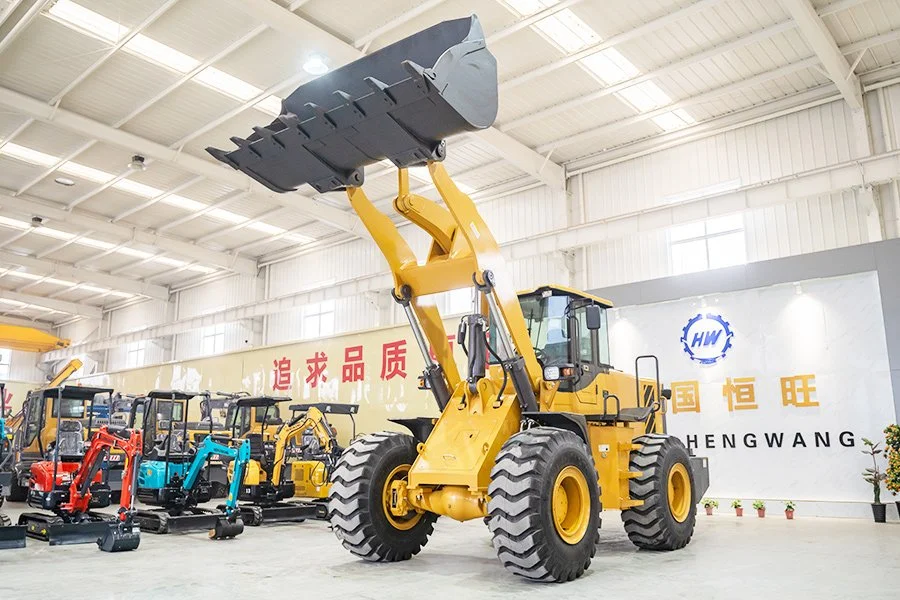
The primary difference lies in the scope of the terminology. Front loader is a generic term describing any machine that loads materials from the front. It often refers to a bucket attachment mounted on a farm tractor or a compact utility vehicle.
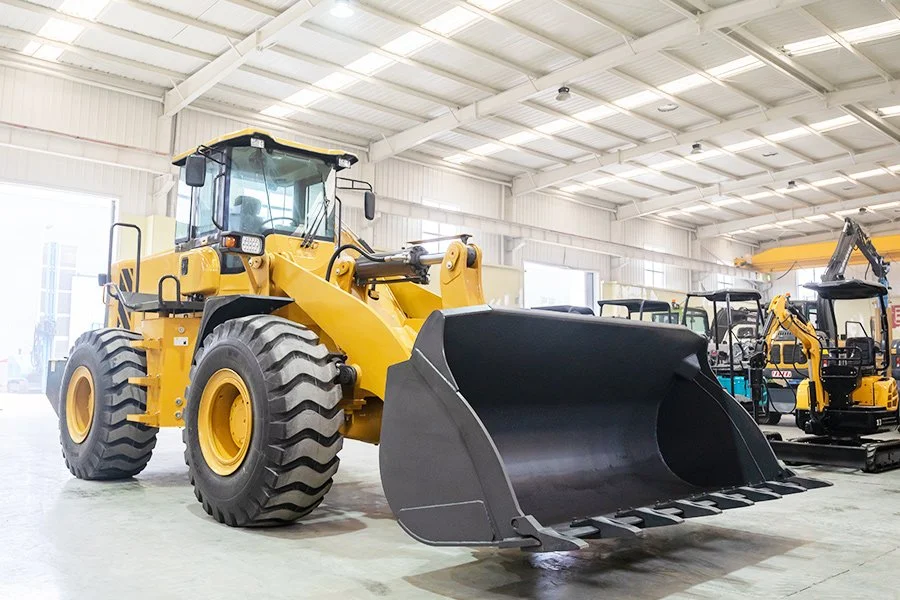
In contrast, a wheel loader is a purpose-built heavy machine designed for industrial-scale work. It features a dedicated chassis, large tires, and an articulated steering system. These machines offer significantly higher lifting capacities and engine power than standard tractor-mounted loaders.
While a tractor with a front-end loader is versatile for light farming, it lacks the structural integrity for heavy mining. The wheel loader is engineered to withstand extreme breakout forces and continuous loading cycles. This distinction is vital when calculating the expected return on investment for your fleet.
Technical Specifications and Performance Comparison
Technical data reveals the true gap between these equipment types. Heavy-duty units like the Hengwang HW-50 wheel loader provide a clear benchmark for industrial performance. These machines utilize advanced hydraulics and robust frames to handle massive weights.
| Feature | Typical Front Loader (Tractor-Based) | High-Performance Wheel Loader (e.g., HW-50) |
| Rated Load Capacity | 500 kg – 1,500 kg | 5,000 kg (5 Tons) |
| Operating Weight | 2,000 kg – 5,000 kg | 16,500 kg |
| Engine Power | 30 kW – 75 kW | 162 kW |
| Bucket Capacity | 0.5 m³ – 1.2 m³ | 3.0 m³ |
| Maximum Dump Height | 2,200 mm – 2,600 mm | 3,150 mm |
A dedicated wheel loader vs front loader comparison shows that the wheel loader dominates in high-volume environments. The HW-50 wheel loader features a 162 kW engine, providing the torque needed for deep excavation. Its 3.0 m³ bucket allows it to move three times more material per cycle than average loaders.
Structural weight also plays a critical role in stability. An operating weight of 16,500 kg ensures the machine remains grounded during full-bucket lifts. Smaller front loaders may struggle with tipping risks when handling dense materials like wet gravel.
How to Choose the Right Machine for Your Project
Selecting between a wheel loader vs front loader depends on your specific work environment. You must evaluate the terrain, the material density, and the frequency of use. Compact front loaders are excellent for narrow spaces and residential landscaping.
For large-scale construction or quarrying, a heavy-duty wheel loader is the standard choice. These machines use articulated steering, allowing the front and rear frames to pivot independently. This design provides a tight turning radius despite the machine’s massive physical footprint.
Consider the “Breakout Force” required for your material. If you are digging into hard-packed clay, you need the high hydraulic pressure found in specialized loaders. Machines like the HW-50 are built with heavy-duty axles to endure these repetitive mechanical stresses.
Determining the Best Fit for Your Operational Needs
When evaluating a wheel loader vs front loader, focus on the total cost of ownership. A smaller front loader may have a lower purchase price. However, using it for heavy industrial work will lead to frequent hydraulic failures and frame cracks.
Identifying the correct capacity is the most important step for long-term reliability. If your daily quota involves moving 500 tons of material, a 5-ton rated loader is essential. This ensures the machine operates within its design limits, reducing unplanned downtime and maintenance costs.
Furthermore, look for features like pilot control and spacious cabs to improve operator efficiency. A comfortable operator is more productive and less prone to accidents during long shifts. High-capacity units like the Hengwang HW-50 wheel loader are designed to balance these ergonomic needs with raw mechanical power.
Summary
The choice between a wheel loader vs front loader depends on your project’s scale and intensity. While front loaders offer versatility for light tasks, a dedicated wheel loader provides the power and durability for industrial applications. Always prioritize rated load capacity and engine performance to ensure long-term operational success.
FAQ
Q:Is a wheel loader the same as a front-end loader?
A wheel loader is a type of front-end loader, but not all front-end loaders are wheel loaders. The term “front-end loader” includes various machines like skid steers and tractor-mounted buckets, whereas a wheel loader is a heavy-duty, purpose-built vehicle.
Q:Which machine is better for soft terrain?
A specialized wheel loader with large, wide tires typically provides better traction on soft soil compared to small tractor loaders. However, for extremely marshy conditions, a track loader (crawlers) might be preferred over any wheeled machine.
Q:What is the lifting capacity of a heavy-duty wheel loader?
Heavy-duty models like the HW-50 typically feature a rated load of 5,000 kg. This allows for the efficient transport of heavy materials such as crushed stone, ore, or construction debris.
Q:Can a front loader handle mining tasks?
Standard tractor-mounted front loaders are generally unsuitable for mining due to lower breakout forces. For mining and quarrying, a heavy wheel loader with a reinforced frame and high-power engine is the industry requirement.
Reference Sources
Association of Equipment Manufacturers (AEM) – Heavy Equipment Safety and Standards: https://www.aem.org/
Occupational Safety and Health Administration (OSHA) – Heavy Equipment Operation Guidelines: https://www.osha.gov/