Buying a concrete mixer truck for sale is usually less straightforward than comparing two advertised prices.
A truck that works well on a large construction project may not be practical on a narrow urban site. Likewise, a smaller mixer can be a better fit for a contractor who needs to move between several jobs rather than produce large quantities of concrete at one location.
Capacity matters, but it is only part of the decision. The machine’s dimensions, working conditions, configuration and expected workload should all be considered before choosing a model.
What Type of Concrete Mixer Truck Do You Need?
The right mixer depends largely on how concrete will be produced and used at the jobsite.
A mobile concrete mixer truck can be useful when mixing needs to take place close to different working areas. Mobility can make a difference on projects where the concrete placement location changes during the day.
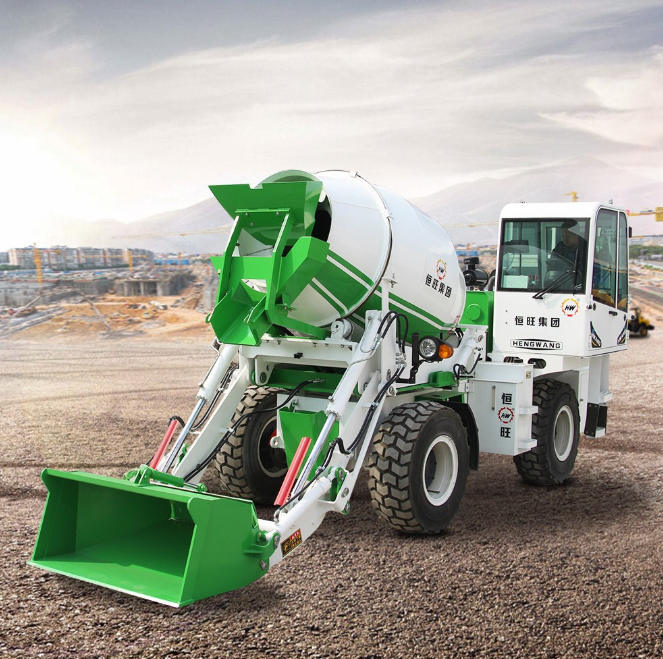
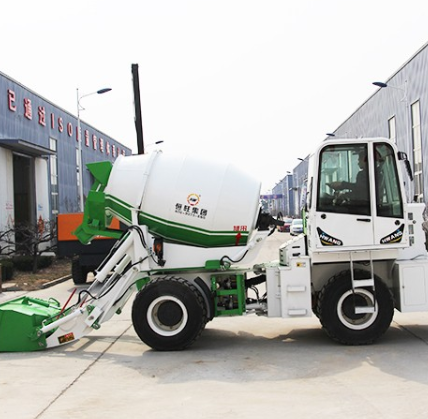
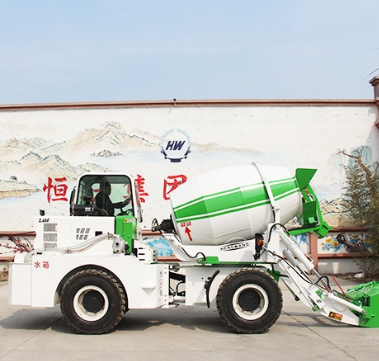
A self loading concrete mixer truck goes a step further by combining material loading and mixing in one machine. For some smaller or more remote projects, this setup can simplify the workflow because separate loading equipment may not be needed.
Neither option is automatically better. A contractor working on a restricted site may care more about overall dimensions and maneuverability, while another project may place greater importance on mixing capacity and production time.
It is worth looking at the actual machine configuration rather than choosing based only on terms such as “mobile” or “self loading.”
How Much Does a Concrete Mixer Truck Cost?
There is no fixed concrete mixer truck price that applies to every project.
The quotation can change according to mixing capacity, engine, drive configuration, equipment included with the machine and the destination. Shipping can also make a noticeable difference for overseas buyers.
For this reason, two trucks with similar-looking specifications may not receive identical quotations.
When comparing prices, look at what is actually included. Engine and power, machine weight, dimensions, mixing capacity, discharge system, optional equipment and spare parts are all worth checking.
HengWang’s HWJB240 Concrete Mixer Truck, for example, is listed with a 2.4 m³ actual stirring capacity, 78 kW rated power and a machine weight of 5,550 kg. Its specifications also include a 2.6 m³ rotary drum capacity and a 10–20 r/min drum rotation speed. These figures give buyers a better starting point for comparing the machine with their expected workload.
You can view the HWJB240 Concrete Mixer Truck for the current specifications and quotation options.
Choosing the Right Capacity
The biggest mixer is not necessarily the best choice.
Suppose a contractor normally handles relatively small pours and works on sites where space is limited. A larger machine could add unnecessary weight and take up more room without providing much practical benefit.
On the other hand, a project with frequent concrete requirements may benefit from a higher-capacity machine if the site can accommodate it.
A useful starting point is to look at your normal workload:
- How much concrete is needed for a typical pour?
- How many batches are required during a working day?
- How far does the machine need to move around the site?
- Is there enough room for turning and discharge?
- Will the mixer be used on one project or across multiple sites?
Also pay attention to the difference between nominal capacity and actual working capacity. Suppliers may present these figures differently, so make sure the quotations you compare are based on the same measurement.
HengWang’s Concrete Machinery product range includes concrete mixer trucks as well as other concrete equipment, so it can be useful when comparing different configurations for a project.
Site Conditions Can Change the Choice
Construction sites rarely look as simple on paper as they do in a specification sheet.
A machine may have the right capacity but still be difficult to use if access roads are narrow or the working area has limited turning space. Ground conditions, slopes, overhead clearance and the position where concrete needs to be discharged can all affect day-to-day operation.
For overseas buyers, transportation should be considered as well. Check the machine’s dimensions and weight early, particularly if the equipment will be shipped to a site with road or container restrictions.
This is one reason it helps to tell the supplier where the machine will be used. A supplier can then discuss whether the selected configuration is practical for the intended application rather than simply quoting the cheapest available model.
What Should Be Included in a Supplier Quotation?
A useful quotation should make it reasonably clear what you are actually buying.
At a minimum, ask the supplier to specify the model, mixing capacity, engine and power, machine dimensions, weight and standard equipment. If optional equipment is available, it should be listed separately so you know how much it adds to the price.
For an international order, you should also clarify:
- Production or delivery lead time
- Shipping arrangements
- Spare parts availability
- Warranty coverage
- Technical documentation
- Packaging requirements
The more complete the quotation, the easier it is to compare suppliers without discovering major differences later in the purchasing process.
Preparing an RFQ for a Concrete Mixer Truck
You do not need to prepare a complicated document to get a useful quotation.
A short project description is often enough. Tell the supplier what you are building, how many machines you need, the approximate capacity you are looking for and where the equipment will be delivered.
For example:
We are looking for a concrete mixer truck for construction projects in [country]. We need [quantity] units with approximately [capacity] mixing capacity. Please recommend a suitable model and provide the technical specifications, configuration, price, lead time and shipping information.
If you have specific requirements for engine type, drive system, spare parts or other equipment, include those as well.
This gives the supplier something concrete to work with and makes it easier to compare the response with quotations from other companies.
Check Safety and Local Requirements
Equipment requirements vary between countries and applications, so safety and compliance should be checked as part of the purchasing process.
For projects in the United States, OSHA publishes construction equipment requirements that may apply depending on the equipment and how it is used. OSHA 29 CFR 1926.602 provides relevant requirements for certain types of construction equipment.
For other markets, check the applicable local requirements before ordering. The supplier should also be able to provide the available equipment documentation and specifications for review.
Finding a Concrete Mixer Truck That Fits the Job
For most buyers, the purchasing decision comes down to finding a practical balance between capacity, machine configuration, site conditions and total cost.
If you are still comparing different types of concrete equipment, you can browse HengWang’s Concrete Machinery range to see the available models.
For a more specific option, take a look at the HWJB240 Concrete Mixer Truck and compare its specifications with your project’s requirements.
Once you know the required capacity, quantity and destination, you can send those details to HengWang and ask for a project-specific quotation.
Request a Concrete Mixer Truck Quote
If you are currently looking for a concrete mixer truck for sale, a quotation based on your actual project is more useful than a general advertised price.
Send the supplier the basic information about your application, required capacity, quantity and destination. You can also mention any configuration or delivery requirements that may affect the final cost.
HengWang can then recommend a suitable model and provide current pricing and product information for your project.
To get started, view the Concrete Machinery range or check the HWJB240 Concrete Mixer Truck and contact HengWang for a quotation.
FAQ
How much does a concrete mixer truck cost?
The price depends on the mixer capacity, engine, configuration, equipment and destination. Shipping and optional equipment can also affect the final quotation, so it is better to compare prices based on the same specifications.
What size concrete mixer truck do I need?
Start with the amount of concrete you normally use, the size of your pours and the available space at the jobsite. A higher-capacity truck is not always the most practical option.
What is a mobile concrete mixer truck?
A mobile concrete mixer truck is designed to move between working locations while providing concrete mixing or transportation functions. The exact configuration varies by model.
What is a self loading concrete mixer truck?
A self loading mixer combines material loading and mixing in one machine. It can be useful when concrete needs to be prepared directly at the jobsite and the project benefits from a more integrated setup.
What information should I provide when requesting a quote?
Include the required capacity, number of units, application, destination and any specific configuration requirements. You can also ask for lead time, shipping information, warranty terms and spare-parts availability.