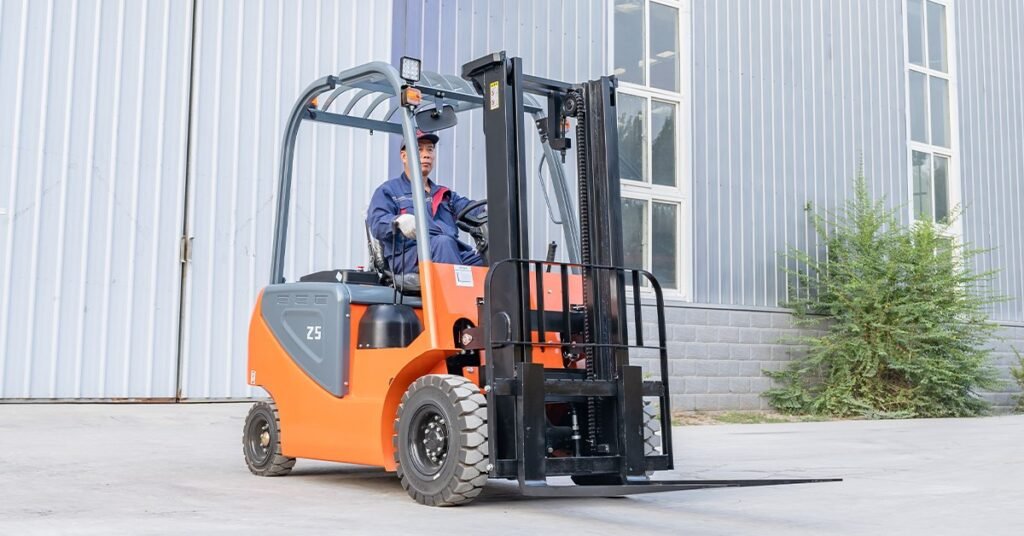
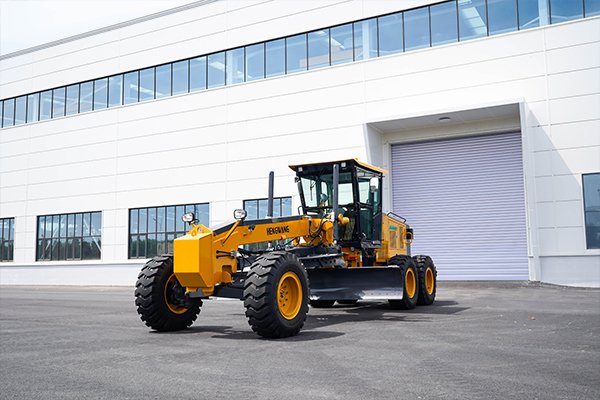
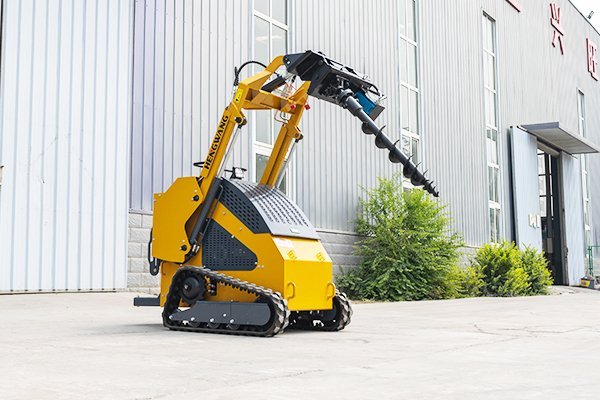
A wheel loader is a heavy-duty machine used primarily for moving materials across a job site. It features four large wheels and a front-mounted bucket connected to a hydraulic lifting arm. This equipment is a staple in construction, mining, and agricultural sectors worldwide.
Many operators value this machine for its mobility and high lifting capacity. Unlike tracked loaders, wheeled versions can move quickly on paved surfaces without damaging the ground. Understanding various wheel loader uses helps businesses improve operational efficiency and reduce labor costs.
These machines vary in size from compact units to massive industrial models. They are designed to scoop, carry, and dump materials like dirt, gravel, sand, or debris. Because of their versatility, they often replace multiple specialized machines on smaller work sites.
What is a Wheel Loader and How Does it Function?
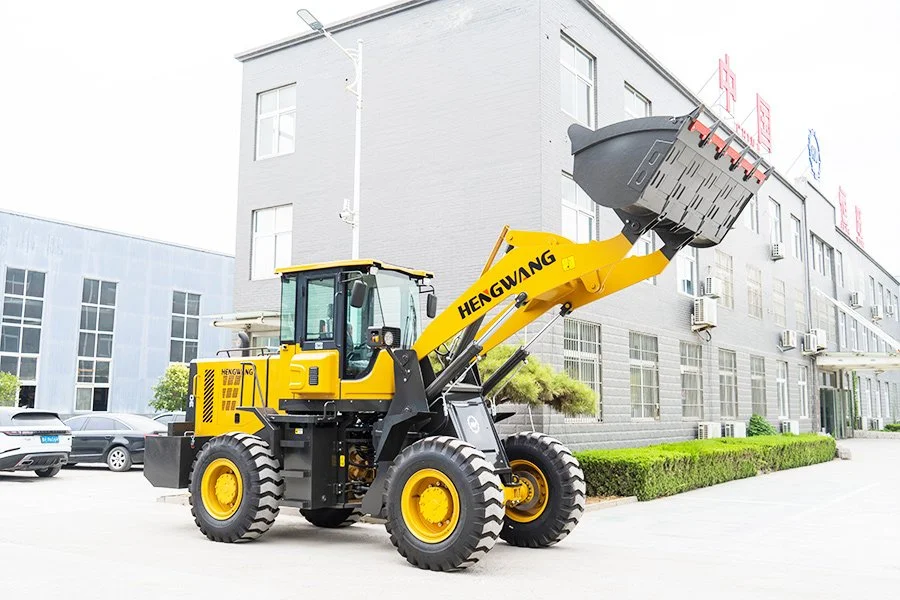
A wheel loader functions as a motorized tractor equipped with a heavy-duty bucket. The primary mechanism involves high-powered hydraulics that control the lifting arms and bucket tilt. This allows the operator to exert significant force when digging into piles of heavy material.
The steering system usually features an articulated joint between the front and rear axles. This design allows the machine to pivot, providing a tight turning radius in confined spaces. Most modern loaders utilize four-wheel drive to ensure maximum traction on uneven or slippery terrain.
Standard models typically offer a rated load capacity ranging from 1 ton to over 20 tons. For instance, a mid-sized machine like the HW-30 wheel loader provides a 3000 kg rated load. This balance of power and size makes it suitable for both urban construction and rural landscaping.
Exploring Diverse Wheel Loader Uses Across Industries
The most common wheel loader uses involve material handling in the construction industry. Workers use these machines to transport raw materials from stockpiles to mixing stations or transport trucks. They are also essential for clearing sites of heavy rubble and waste after demolition.
In the agricultural sector, farmers rely on loaders for handling bulk feed and cleaning livestock areas. The ability to swap the bucket for specialized attachments like hay forks or silage grabbers increases utility. Loaders help maintain large-scale operations by moving heavy fertilizers and harvesting supplies quickly.
The mining and quarrying industry requires heavy-duty performance to move extracted ore and stone. Large wheel loaders are often used to load dump trucks with thousands of kilograms of material in a single pass. Their speed and durability significantly lower the “cost-per-ton” in high-volume production environments.
| Application | Material Handled | Key Benefit |
| Construction | Earth, Gravel, Debris | High mobility on job sites |
| Agriculture | Feed, Hay, Fertilizer | Versatility with attachments |
| Mining | Ore, Rock, Minerals | Rapid loading of large trucks |
| Public Works | Snow, Sand, Waste | Efficient clearing of roads |
Understanding Technical Specifications and Capacities
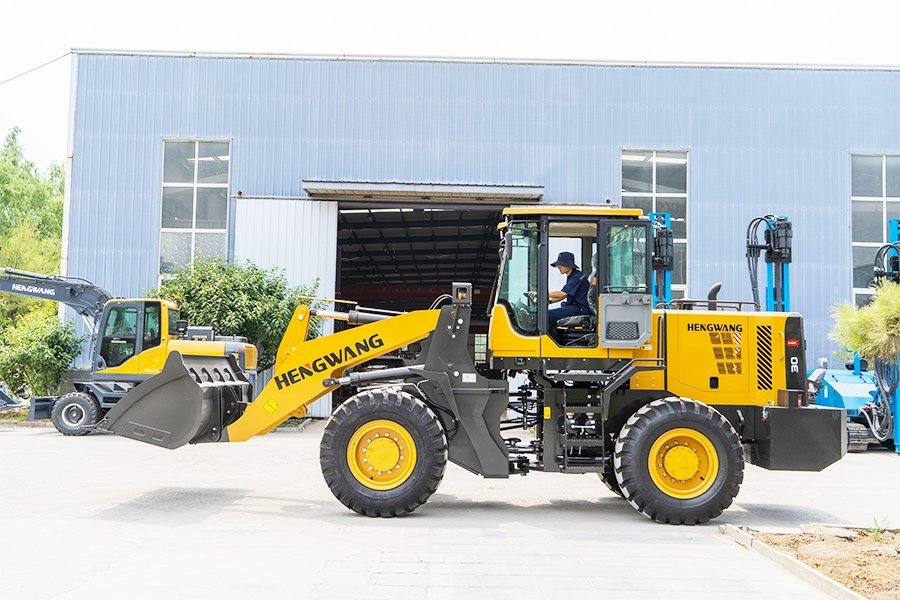
To maximize the benefits of wheel loader uses, one must understand the technical specifications. The engine power determines how much force the machine can apply during a “breakout.” A standard mid-range loader often features an engine output of approximately 92 kW.
Bucket capacity is another critical metric that dictates how much volume a loader can move per cycle. Typical bucket sizes for versatile models range between 1.5 m³ and 1.8 m³. Larger buckets increase productivity but require more engine power and counterweight stability to operate safely.
The dumping height is vital for ensuring the loader can reach over the sides of transport trucks. A dumping height of 3200 mm to 3500 mm is standard for medium-class machines. This ensures that materials are distributed evenly inside the truck bed without the bucket hitting the vehicle’s frame.
| Feature | Specification | Impact on Performance |
| Operating Weight | 9600 kg | Increases stability and traction |
| Rated Load | 3000 kg | Defines the maximum safe lifting limit |
| Dumping Height | 3500 mm | Determines the height of trucks it can load |
| Engine Power | 92 kW | Affects the speed and digging force |
Enhancing Efficiency with Specialized Attachments
While the bucket is the most common tool, wheel loader uses expand significantly with different attachments. Quick-coupler systems allow operators to change tools in minutes without leaving the cabin. This versatility transforms a single machine into a multi-purpose tool carrier.
Pallet forks allow the loader to function like a high-capacity forklift for moving crated goods. Snow blades are frequently attached during winter months to clear highways and large parking lots. Sweeper attachments help municipalities keep city streets clean after construction projects or seasonal changes.
In forestry, log grapples are used to move and stack heavy timber in mills. This adaptability reduces the need for purchasing multiple niche machines for every task. By selecting the right attachment, a business can maintain high machine utilization rates throughout the entire year.
Criteria for Selecting the Right Loading Equipment
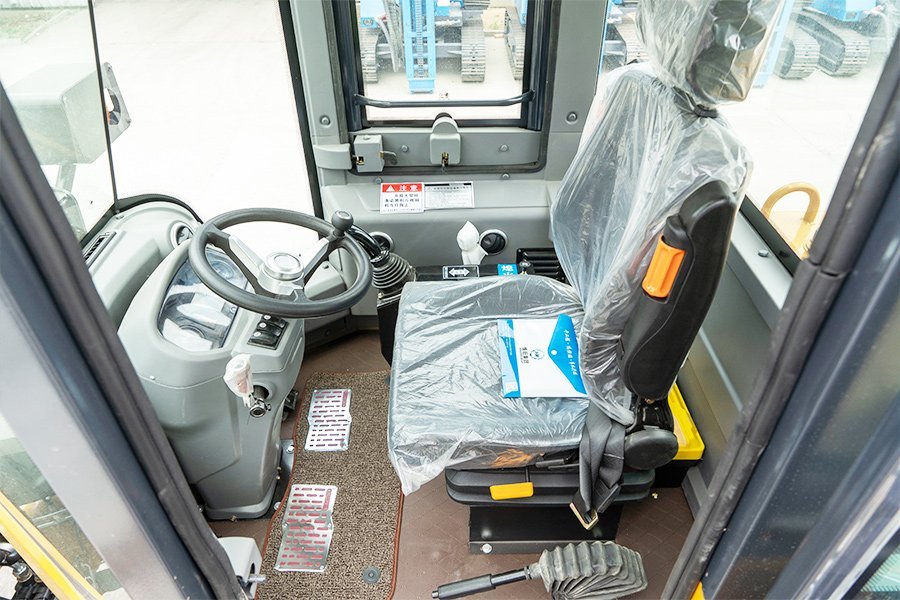
Choosing the right machine depends on your specific operational environment and material requirements. You must first evaluate the maximum weight you need to lift in a single cycle. A machine with a 3000 kg load capacity often serves as an ideal “all-rounder” for most medium-scale projects.
Stability is another crucial factor, especially when working on slopes or soft soil. The operating weight of the machine, such as a 9600 kg base weight, ensures the loader remains grounded during heavy lifts. Heavier machines provide better breakout force but may require more fuel and specialized transport.
Consider the layout of your job site to determine the necessary turning radius and reach. If you frequently load high-sided trucks, prioritize a machine with an extended dumping height. Understanding these technical benchmarks allows you to choose a model that provides the highest return on investment for your specific wheel loader uses.
Summary
A wheel loader is a vital tool for material transport and site preparation across many global industries. From construction to mining, wheel loader uses focus on efficiency, mobility, and high-capacity loading. Selecting a machine with balanced specifications, such as a 3-ton capacity, ensures versatile performance for diverse project demands.
FAQ
Q:What are the primary wheel loader uses in construction?
Wheel loaders are used to transport building materials, move earth, and load debris into dump trucks. They provide high mobility on job sites, making them more efficient than tracked vehicles for moving across finished surfaces.
Q:How does bucket capacity affect productivity?
Bucket capacity determines the volume of material moved per cycle. A capacity of 1.5 to 1.8 cubic meters allows operators to fill transport trucks quickly while maintaining machine stability and fuel efficiency.
Q:Can wheel loaders be used for snow removal?
Yes, wheel loaders are highly effective for snow removal when equipped with snow blades or blowers. Their four-wheel-drive systems provide the necessary traction to move heavy, wet snow from roads and large commercial parking areas.
Q:What is the difference between a wheel loader and a backhoe?
A wheel loader features a large front bucket for high-volume material moving. A backhoe is smaller and includes a digging arm on the rear, making it better for trenching but less efficient for bulk loading tasks.
Reference Sources
Association of Equipment Manufacturers (AEM)
https://www.aem.org/
International Organization for Standardization (ISO)
https://www.iso.org/
Occupational Safety and Health Administration (OSHA)
https://www.osha.gov/