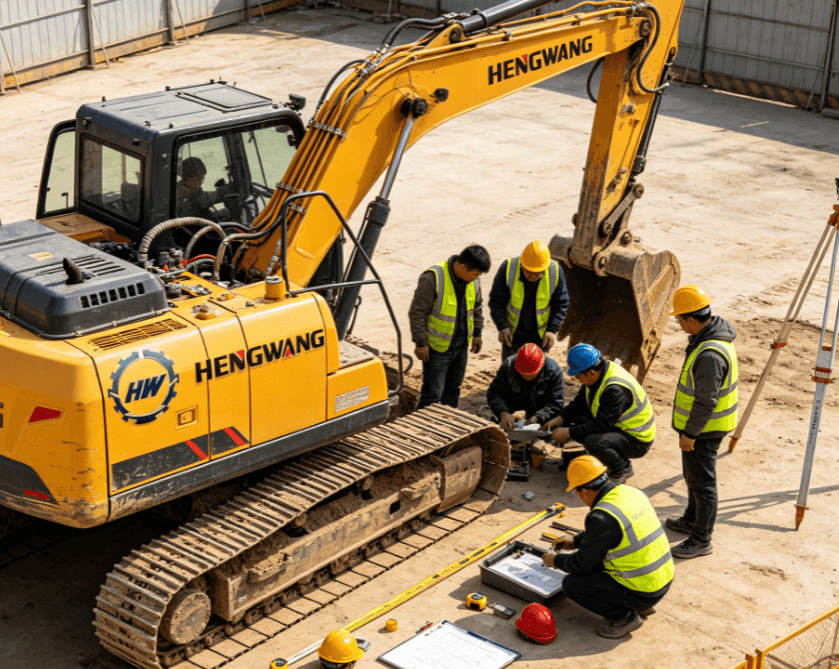
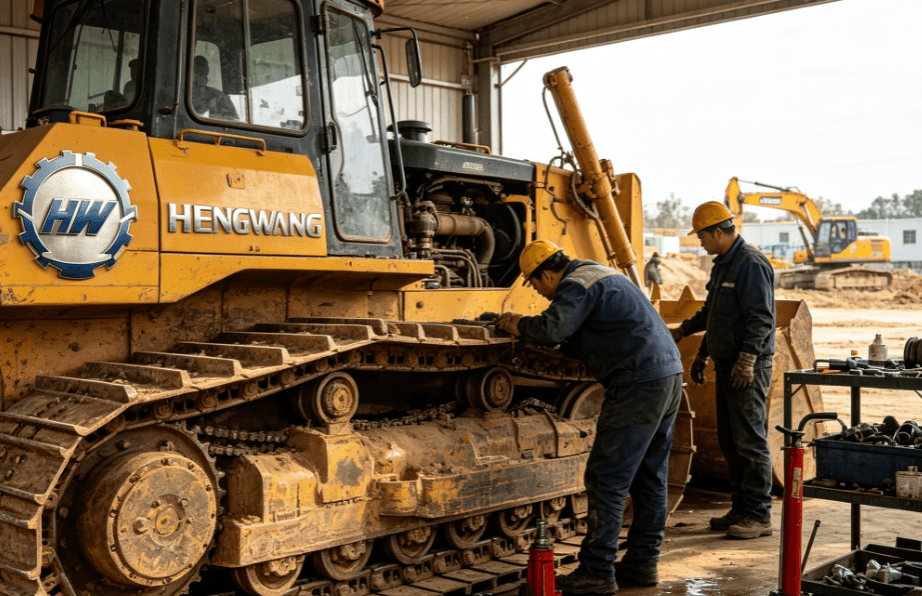
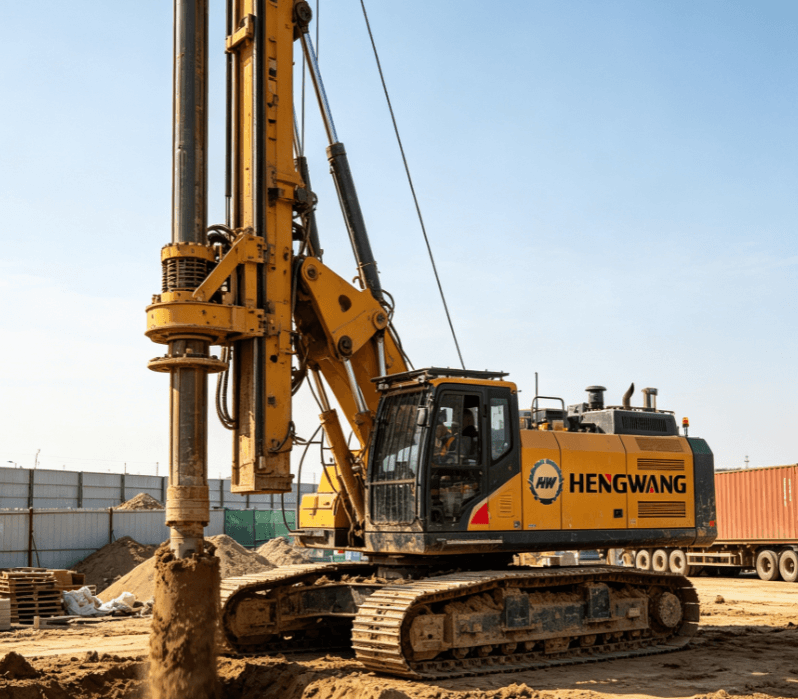
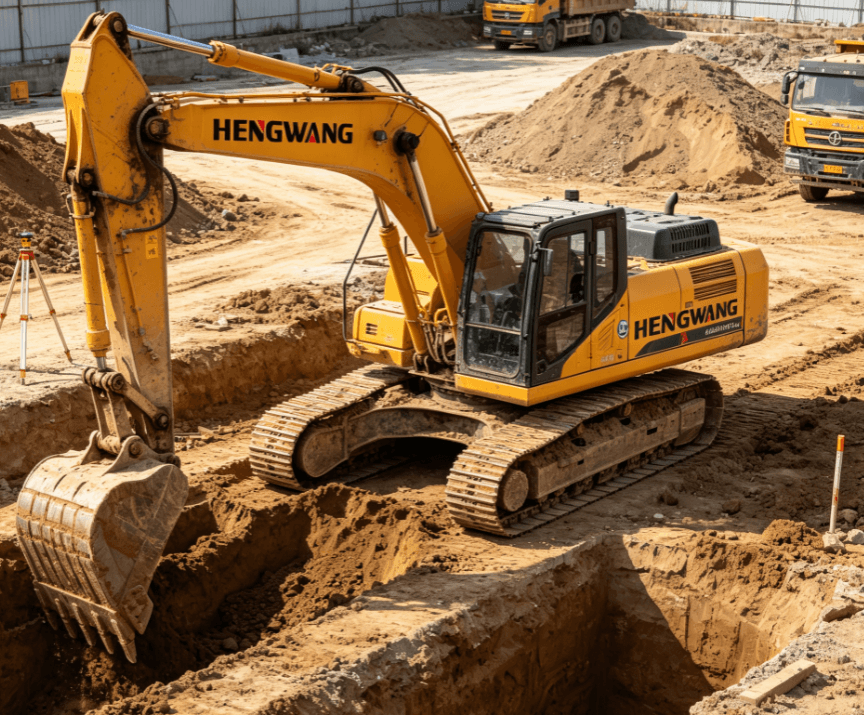
An excavator works by converting engine power into controlled hydraulic energy. The engine drives pumps that pressurize hydraulic fluid, while control valves direct that fluid to cylinders and motors. Cylinders raise and lower the boom, move the arm, and curl or open the bucket; hydraulic motors rotate the upper structure and propel the tracks or wheels. This coordinated system allows the machine to dig, lift, swing, load, grade, and travel without separate mechanical drives for each movement. Pressure mainly affects the force available at the actuator, while flow influences movement speed. Productive excavator operation depends on balancing both while respecting the machine’s geometry, load, attachment, and published limits. Operators must also manage the work area, ground conditions, swing radius, and people around the equipment. Understanding these principles helps operators, contractors, and engineering students assess cycle efficiency, select suitable configurations, and recognize when model-specific manuals or manufacturer confirmation are required.


.png)
-1.png)